In the global wave of asset allocation, overseas real estate investment is becoming an important choice for high-net-worth individuals to achieve wealth appreciation and upgrade their quality of life. Compared with traditional investment methods, overseas real estate not only possesses the attributes of a hard asset, but also provides investors with a “safety net” against the risks of a single market through advantages in property rights systems, market mechanisms, and profit models.
The fundamental difference in property rights systems is one of the core attractions of overseas real estate. Most developed countries implement a perpetual title system, where buyers have absolute ownership of the land and buildings, eliminating concerns about renewal issues after the title expires. This system fundamentally guarantees the long-term inheritance value of assets. For example, in some European countries, buyers not only obtain ownership of the house but also enjoy complete rights to the accompanying land; this “buy one, get one free” property rights model provides institutional guarantees for asset preservation. At the same time, overseas real estate generally uses the “internal area” calculation method, excluding balconies, garages, and other spaces from the shared area, increasing the actual usable area by 15%-20% compared to domestic options, directly improving the cost-effectiveness of investment.
The stability of returns brought about by market maturity is also worth noting. Developed countries’ real estate markets, after a century of development, have established sophisticated price discovery mechanisms and risk hedging systems. Taking some mature markets as examples, their residential vacancy rates have consistently remained below 3%, and rental yields have stabilized between 4% and 6%. This “rent covering mortgage payments” cash flow model makes real estate a natural “money-printing machine.” More importantly, property prices in prime locations in core cities have seen an average annual increase of 5%-8%. This “rental income + appreciation” dual-engine model creates continuous and stable passive income for investors. For investors seeking long-term returns, choosing cities with continuous population inflows and active job markets often yields above-average returns.
The demand for global asset allocation has created unique value for overseas real estate. In the current climate of frequent black swan events, single-market investment faces multiple risks, including policy adjustments, economic cycles, and exchange rate fluctuations. By allocating real estate assets across different countries, investors can effectively diversify systemic risks. For example, investing a portion of funds in stable developed country markets while simultaneously allocating to growth assets in emerging economies—this “core + satellite” allocation strategy—can both guarantee basic returns and capture opportunities for excess growth. Some countries’ real estate investment immigration policies further empower property investment with a “residency planning” function, providing families with access to high-quality public resources such as education and healthcare.
The compliance advantages of tax planning provide high-net-worth individuals with an important tool. Some countries have formulated special tax incentives for overseas investors. By rationally planning the property holding structure, it is possible to optimize taxes such as capital gains tax and inheritance tax. For example, using a company holding model can reduce the inheritance tax rate, and using rental income to offset loan interest can reduce income tax expenses. However, it should be noted that tax compliance requires investors to establish a professional financial structure. It is recommended to consult an international tax advisor to design a personalized plan to avoid additional costs due to policy misinterpretations.
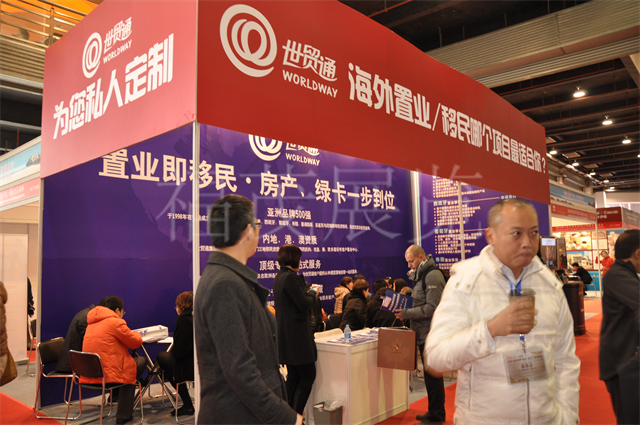
Currently, global real estate investment is ushering in new development opportunities. With the improvement of cross-border payment systems and the application of digital technologies, the overseas property purchase process has been greatly simplified, and the entire chain of services from capital outflow to property registration is becoming increasingly mature. For investors intending to invest globally, paying attention to authoritative industry exhibitions is an important way to obtain cutting-edge information. The upcoming Real Estate Industry Chain Expo will bring together top global developers, financial institutions, and professional service providers. Through project roadshows, policy interpretations, and case studies, it will create a one-stop resource matching platform for investors. This grand event will not only showcase the latest market trends but also provide full-cycle solutions from investment decisions to asset management, helping investors seize opportunities in the wave of globalization.