-
Whatsapp
+1 689 248 1956 -
Email
joannewong0817@gmail.com

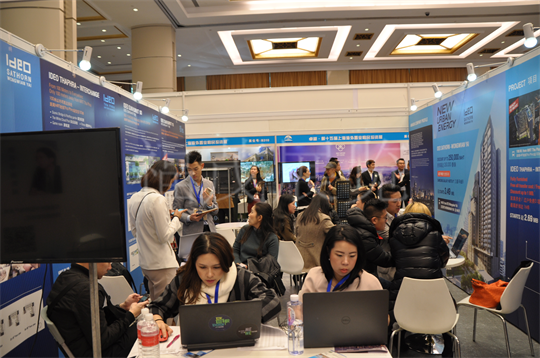
Shanghai Formote Exhibition Service Co., Ltd. specializes in planning and executing large-scale exhibitions and conferences. With extensive industry experience, the company provides one-stop solutions for international exhibitions, industry fairs, investment promotion events, forums, summits, and overseas projects.
Formote also has strong expertise in overseas real estate exhibitions, as well as expos focused on immigration, overseas education, and global residency programs.
Guided by the principles of professionalism, efficiency, innovation, and win-win cooperation, Formote has established long-term partnerships with government agencies, industry associations, and leading enterprises at home and abroad.

When planning their children’s education, many parents face an important decision: should they choose an international school to prepare for overseas university applications, or should they send their children abroad to experience a foreign education system directly? Both options have their own advantages, and there is no absolute answer as to which one is better. International schools allow students to experience global education systems while staying in their home country, while studying abroad provides direct exposure to overseas academic and living environments. The best choice depends on factors such as the child’s age, personality, family plans, and future development goals. What Are the Differences Between International Schools and Studying Abroad? The biggest difference between international schools and studying abroad lies in the learning location and growth environment. International schools allow students to complete their education locally, while studying abroad requires students to live and study overseas for a longer period. The main differences include: Different study locations. International schools are mainly based in the home country, while studying abroad requires moving overseas. Different education systems. International schools usually follow international curriculums, while overseas students directly experience local education systems. Different language environments. International students need to use foreign languages regularly in academic and daily communication. Different life experiences. Studying abroad allows children to experience local culture and society at an earlier stage. For younger students, international schools can provide a smoother transition, helping them gradually adapt to international courses and English learning. For older students with stronger independence, directly studying abroad may help them integrate into overseas environments more quickly. What Are the Advantages of Choosing an International School? International schools have become increasingly popular among families because they allow children to receive international education resources while reducing the pressure of leaving home at an early age. Main advantages…

As global economic connections continue to grow, overseas investment has become an important option for many individuals and families looking to manage their assets internationally. Whether investing in overseas real estate, businesses, or financial products, entering a foreign market requires proper preparation. Overseas investment is not simply about transferring money abroad. Investors need to understand local policies, market conditions, legal regulations, and potential risks. For those who are new to international investment, learning the basic knowledge and creating a long-term strategy can help identify suitable opportunities and make better investment decisions. Understand the Local Market Environment Before Investing Overseas Different countries have different levels of development, economic conditions, and investment opportunities. Before entering an overseas market, investors should first understand the overall environment instead of only focusing on popular projects or short-term returns. Important factors to consider include: Economic conditions. Understand economic stability and future growth potential. Industry development trends. Identify sectors with investment opportunities. Market demand changes. Pay attention to population growth, consumption trends, and business conditions. Political and policy environment. Understand how policy changes may affect investments. Every country has its own market characteristics. Some regions may be more suitable for real estate investment, while others may offer better opportunities in business or emerging industries. For example, cities with continuous population growth often have stronger demand for housing and services, while industries supported by government policies may provide new investment opportunities. Conducting market research in advance can help investors avoid blindly following trends. What Legal and Policy Knowledge Is Needed for Overseas Investment? Overseas investment involves different legal systems, and investors need to pay attention to more regulations compared with domestic investments. A lack of understanding of local rules may affect the investment process and create unnecessary risks. Before investing, it is important to understand: Foreign investment…

Many families consider immigration not only to change their living environment but also to create better opportunities for their children’s future. Education resources, learning environments, and future academic choices are among the key factors parents care about. Different countries have their own education systems and characteristics. After immigration, children may gain access to more international education opportunities, improving their language skills, overall abilities, and future development options. However, educational advantages do not come from immigration status alone. They also depend on the choice of country, school resources, and long-term family planning. Immigration Provides Children with More Education Choices Different countries offer different education systems, and after immigration, children often have access to a wider range of learning opportunities. Compared with a single education model, many overseas schools focus more on students’ interests, abilities, and future development, helping children find a learning path that suits them better. Main advantages include: More school options. Families can choose public schools, private schools, or international schools based on their needs. Access to international curriculums. Children may study different education systems and prepare for future academic development. More university pathways. Children may have more choices when applying to overseas universities. A more diverse learning environment. Students can communicate with classmates from different cultural backgrounds. For many parents, one of the main goals of immigration is to provide children with broader development opportunities. Overseas education often focuses not only on academic results but also on creativity, communication skills, and independent thinking, which can benefit children’s future university studies and careers. Overseas Education Helps Develop Children’s Overall Abilities Besides changes in school education, the living environment can also influence children’s growth. Many overseas education systems place more emphasis on practical skills and personal development, helping students gradually build the ability to solve problems independently. Common improvements…

As more people pay attention to overseas living, children’s education, and global asset planning, buying property abroad has become an option considered by many families. However, overseas real estate markets are very different from domestic markets. From government policies and property prices to purchasing procedures, many factors need to be understood in advance. Buying an overseas property is not only about choosing a good location and price. Buyers also need to consider future usage needs, investment returns, and long-term property management. For those purchasing overseas real estate for the first time, thorough preparation can help reduce risks and make it easier to find a property that matches their goals. Define Your Purpose Before Buying Property Overseas Before purchasing overseas property, the first step is to understand why you want to buy. Different goals require different choices. Some people purchase property for future relocation, some focus on investment returns, while others plan ahead for their children’s education. Common reasons for buying overseas property include: Living needs. Focus on lifestyle, transportation, and community facilities. Rental investment. Pay more attention to rental demand and income potential. Education planning. Consider school resources and living convenience. Asset allocation. Use overseas property to diversify family assets. Having a clear goal makes it easier to choose the right country and city. If the main purpose is investment, buyers should focus more on rental markets and property growth potential. If the plan is long-term living, factors such as healthcare, education, and daily living costs become more important. Many overseas buyers realize after purchasing that the property does not fully match their original plans because they did not consider their needs carefully enough. What Market Factors Should You Consider When Choosing Overseas Property? Real estate markets vary greatly between countries and cities. Even within the same country, properties…

The UK has always been one of the most popular destinations for international students, but before applying, the cost of studying abroad is often the biggest concern for students and their families. There is no fixed amount for one year of study in the UK because expenses vary depending on the university, major, city, and personal lifestyle. Students studying in cities like London may need a higher budget, while those choosing other cities can often control costs more effectively. Understanding tuition fees, accommodation, daily expenses, and other related costs in advance can help families create a more realistic study abroad budget. How Much Are Tuition Fees for One Year of Study in the UK? Tuition fees are one of the largest expenses for international students in the UK. The cost varies significantly depending on the university and major. In general, international students pay higher tuition fees than domestic students, and popular programs often have higher costs. Common tuition fee ranges include: Undergraduate programs. Usually around £15,000 to £30,000 per year. Master’s programs. Generally around £20,000 to £35,000 per year. Popular majors. Medicine, business, and computer science programs may cost more. Top universities. Some programs at highly ranked universities may have higher tuition fees. Different majors have different costs because some programs require more teaching resources. For example, medical and laboratory-based courses often cost more than general programs. Business and finance programs may also have higher fees due to strong demand.When choosing a university, students should not only focus on rankings but also consider their family budget, career goals, and future development plans. Some universities outside major cities offer strong education quality while providing a more affordable overall study experience. How Much Are Living Expenses for International Students in the UK? Besides tuition fees, living expenses are another important part…

The European real estate market has always attracted attention from overseas buyers, and Portugal has become a popular destination thanks to its pleasant climate, stable social environment, and high quality of life. Many investors considering European property purchases often ask whether Portugal real estate is truly worth investing in and whether it has long-term growth potential. In reality, the Portuguese property market offers both opportunities and challenges. Evaluating whether it is a good investment requires looking beyond property prices and considering factors such as economic development, rental demand, property policies, and personal investment goals. What Makes Portugal Real Estate Attractive for Investors? Portugal’s property market has gained popularity among overseas buyers not only because of housing prices but also because of the country’s long-term development advantages. For people looking to diversify their global assets, Portugal offers several unique benefits within the European market. Key advantages include: Comfortable living environment. Portugal has a mild climate and attractive surroundings, making it appealing for long-term residents. Stable tourism demand. Cities such as Lisbon, Porto, and the Algarve attract many visitors, supporting short-term and long-term rental markets. Convenient European location. As an EU country, Portugal has strong connections with other European nations, making travel and business activities easier. Various property choices. Buyers can choose from city apartments to coastal homes based on different budgets and needs. For many investors, the appeal of Portuguese property is not only financial. It can also support future plans such as overseas living, retirement, or family arrangements. Which Portuguese Cities Are Worth Considering for Real Estate Investment? Location plays an important role when buying property in Portugal. Different cities have different market characteristics. Some areas are more suitable for rental income, while others are better for long-term living. Understanding local conditions before purchasing can help buyers avoid making…
As more people pay attention to overseas living, children’s education, and global asset planning, buying property abroad has become an option considered by many families. However, overseas real estate markets are very different from domestic markets. From government policies and property prices to purchasing procedures, many factors need to be understood in advance. Buying an overseas property is not only about choosing a good location and price. Buyers also need to consider future usage needs, investment returns, and long-term property management. For those purchasing overseas real estate for the first time, thorough preparation can help reduce risks and make it easier to find a property that matches their goals. Define Your Purpose Before Buying Property Overseas Before purchasing overseas property, the first step is to understand why you want to buy. Different goals require different choices. Some people purchase property for future relocation, some focus on investment returns, while others plan ahead for their children’s education. Common reasons for buying overseas property include: Living needs. Focus on lifestyle, transportation, and community facilities. Rental investment. Pay more attention to rental demand and income potential. Education planning. Consider school resources and living convenience. Asset allocation. Use overseas property to diversify family assets. Having a clear goal makes it easier to choose the right country and city. If the main purpose is investment, buyers should focus more on rental markets and property growth potential. If the plan is long-term living, factors such as healthcare, education, and daily living costs become more important. Many overseas buyers realize after purchasing that the property does not fully match their original plans because they did not consider their needs carefully enough. What Market Factors Should You Consider When Choosing Overseas Property? Real estate markets vary greatly between countries and cities. Even within the same country, properties…

When buying property in the United States, the location of the city is often more important than the property itself. Different cities have major differences in economic development, population growth, rental demand, and future price potential. Some cities are suitable for long-term investment, while others are better for family living or children’s education planning. For overseas buyers considering the US real estate market for the first time, understanding the characteristics of different cities can help them find properties that better match their budget and goals. From major metropolitan areas to fast-growing emerging cities, the US offers various real estate opportunities. What Factors Should You Consider When Choosing a US City to Buy Property? There are many cities in the United States, and each has its own advantages. When buying a home, it is not enough to only look at whether the price is affordable. Buyers should also consider whether the property will be easy to rent, whether it has growth potential, and whether the area is convenient for daily life. A suitable city usually has stable population growth, strong employment opportunities, and continuous development potential. Important factors to consider include: Population growth. Cities with more people moving in often have stronger housing demand. Job opportunities. Areas with more employment options can attract long-term residents. Property prices. Buyers should choose based on their budget rather than only chasing popular areas. Living facilities. Schools, transportation, hospitals, and shopping options can affect property value. Choosing a city is also about choosing future development potential. Overseas buyers should first understand their own goals. Those buying for rental income may focus more on the rental market, while families planning to live there may pay more attention to schools and neighborhood conditions. Different needs can lead to completely different choices. Are Popular Cities Like New…

As overseas property demand continues to grow, more people are paying attention to international real estate markets and considering buying properties abroad for asset allocation, children’s education planning, or future living arrangements. However, purchasing property overseas is different from buying a home domestically, especially when it comes to property ownership registration. Different countries have different regulations regarding property ownership, land use rights, and registration procedures. Without a clear understanding of local rules, buyers may face challenges when renting, selling, or transferring the property in the future. Learning about overseas property ownership procedures in advance can help buyers better protect their legal rights. What Types of Property Ownership Should You Understand Before Buying Overseas? Before purchasing overseas property, the first step is to understand what type of ownership you are actually buying. Real estate systems vary significantly between countries. Some markets focus on permanent ownership of land and buildings, while others use long-term leasehold models. The type of ownership not only affects how long you can use the property but may also influence its future value. Common types of overseas property ownership include: Freehold ownership. This type of ownership usually means the buyer owns both the property and the land without a fixed expiration date. Many overseas investors prefer freehold properties because they offer stronger long-term ownership security. Leasehold ownership. Some countries and regions use leasehold systems, where buyers receive the right to use a property for a specific period, such as several decades or longer. Before purchasing, buyers should check the remaining lease term and renewal conditions. Shared ownership. Some apartments and residential communities involve shared ownership of common areas. Owners may have individual property rights while also following community management rules. Understanding different ownership structures can help buyers avoid situations where the actual property rights do not match their…

As global asset allocation becomes increasingly popular, more investors are considering purchasing property overseas for wealth management, children’s education planning, or future living arrangements. However, buying property in another country is very different from purchasing real estate domestically. It involves different legal systems, taxation rules, ownership structures, financing methods, and property management processes. For first-time overseas buyers, understanding the key considerations in advance can help reduce risks and make the entire purchasing process smoother. What Preparations Should Be Made Before Buying Property Overseas for the First Time? Buying property overseas is not simply about choosing a house and completing a transaction. Proper preparation before purchase can directly affect the future investment performance. Since each country has different real estate market conditions and regulations, buyers need to consider their goals, budget, and long-term plans carefully. Before purchasing overseas property, buyers should focus on: Defining the purpose of purchasing property. Different goals require different investment strategies. If the purpose is generating rental income, investors should pay more attention to rental yields and regional growth potential. If the property is for personal use, factors such as lifestyle, transportation, education, and healthcare resources should be considered. Creating a realistic budget. Besides the property price, buyers should also consider additional costs such as legal fees, taxes, property management fees, insurance, and maintenance expenses. In some countries, these extra costs may account for several percentage points of the property value. Understanding local property regulations. Rules for foreign buyers vary from country to country. Some markets may have restrictions on property types or require additional approvals. Learning about these policies beforehand can help avoid unnecessary problems. Thorough preparation allows first-time buyers to approach overseas property investment with a clearer plan and select suitable opportunities more effectively. What Should First-Time Buyers Consider When Choosing Overseas Property? Selecting…

With the growing demand for global asset allocation, more families are paying attention to overseas real estate markets and considering purchasing properties for residence planning, asset management, or long-term investment. Compared with buying property domestically, overseas property purchases involve different legal systems, ownership requirements, and transaction procedures. Preparing complete documents is an important step to ensure a smooth property transaction. Requirements vary between countries, so understanding the necessary materials in advance can help buyers improve efficiency and reduce potential issues during the purchasing process. What Personal Documents Are Needed Before Buying Property Overseas? Before purchasing property overseas, buyers usually need to provide identity information and personal details. Complete personal documents allow developers, banks, and relevant institutions to conduct necessary reviews. Although requirements differ between countries, basic documents are generally similar. Common documents include: Passport and identification documents, which are used to verify the buyer’s identity. Some countries may also require valid visas or residence permits; Personal information documents, including contact details, family information, and employment details for registration purposes; Marriage certificates or related documents, as some countries may require spouse information during property registration or ownership procedures. Preparing these basic documents in advance can make future processes such as property viewing, contract signing, and ownership registration more efficient. What Financial Documents Are Required for Overseas Property Purchase? Proof of financial ability is one of the most important requirements when buying property overseas. It is mainly used to demonstrate that the source of funds is legal and that the buyer can meet local property transaction requirements. Different countries have different standards for reviewing overseas buyers’ financial information. Common financial documents include: Bank statements or deposit certificates showing the buyer’s ability to pay the property price or down payment; Bank transaction records used to verify the source of funds and account…

In recent years, Bangkok, Thailand has become an attractive real estate market for many international buyers due to its international city environment, relatively affordable living costs, and growing tourism and business demand. For those planning to purchase property in Bangkok, price is one of the most important concerns. Property prices vary significantly between different areas, ranging from luxury condominiums in central districts to residential projects in suburban areas, creating different investment entry points. Understanding property prices, purchasing costs, and regional characteristics can help overseas buyers create a more suitable property investment plan. How Much Does It Cost to Buy Property in Bangkok? Bangkok’s real estate market offers various property types, including condominiums, villas, and commercial properties, with significant price differences. Most foreign buyers choose condominiums, especially projects located in areas with convenient transportation and developed commercial facilities. Bangkok property prices generally fall within the following ranges: Condominiums in standard areas usually cost around THB 80,000–150,000 per square meter, with total prices starting from approximately THB 2 million; High-quality condominiums in prime locations such as Sukhumvit and Silom may reach THB 200,000–400,000 or more per square meter; Luxury villas and high-end residential projects may cost tens of millions of Thai baht or more. The final property price is also affected by factors such as building age, developer reputation, facilities, and distance from BTS stations. Even within the same district, different projects can have significant price differences. How Do Property Budgets Differ Between Bangkok Areas? Choosing the right location is one of the most important factors affecting property prices. Different areas of Bangkok have different development focuses, attracting buyers with different goals and budgets. Popular property investment areas include: Sukhumvit: A highly international area with many foreign residents, convenient BTS access, and strong potential for both personal living and rental investment;…
Many families consider immigration not only to change their living environment but also to create better opportunities for their children’s future. Education resources, learning environments, and future academic choices are among the key factors parents care about. Different countries have their own education systems and characteristics. After immigration, children may gain access to more international education opportunities, improving their language skills, overall abilities, and future development options. However, educational advantages do not come from immigration status alone. They also depend on the choice of country, school resources, and long-term family planning. Immigration Provides Children with More Education Choices Different countries offer different education systems, and after immigration, children often have access to a wider range of learning opportunities. Compared with a single education model, many overseas schools focus more on students’ interests, abilities, and future development, helping children find a learning path that suits them better. Main advantages include: More school options. Families can choose public schools, private schools, or international schools based on their needs. Access to international curriculums. Children may study different education systems and prepare for future academic development. More university pathways. Children may have more choices when applying to overseas universities. A more diverse learning environment. Students can communicate with classmates from different cultural backgrounds. For many parents, one of the main goals of immigration is to provide children with broader development opportunities. Overseas education often focuses not only on academic results but also on creativity, communication skills, and independent thinking, which can benefit children’s future university studies and careers. Overseas Education Helps Develop Children’s Overall Abilities Besides changes in school education, the living environment can also influence children’s growth. Many overseas education systems place more emphasis on practical skills and personal development, helping students gradually build the ability to solve problems independently. Common improvements…

When planning overseas living, global asset allocation, or children’s education, many people consider an important question: what value does a second passport actually bring besides their original passport? A second passport is not just an additional travel document. It represents more choices in international mobility, lifestyle, and future planning. For individuals and families looking to expand their opportunities overseas, a second passport can provide advantages in travel, education, business development, and family planning. However, different countries offer different benefits, and the application requirements also vary. Choosing the right option based on personal needs is an important part of international identity planning. How Can a Second Passport Make International Travel Easier? For people who travel internationally frequently, one of the most direct benefits of a second passport is greater travel flexibility. Different countries have different visa policies, and having another passport may provide more convenient access to various destinations. Key advantages include: Fewer visa application procedures. Some passports allow visa-free or simplified entry to more countries. More travel options. Travelers can choose the passport that offers better access based on their destination. Easier business travel. International investors and business professionals can save time when attending overseas meetings or exploring markets. For people who frequently travel between different countries, the convenience of a second passport can be especially valuable. Whether for tourism, business trips, or overseas visits, having more identity options can make international activities more flexible. How Can a Second Passport Help with Overseas Investment and Business Development? Besides travel convenience, many investors view a second passport as part of their global asset planning strategy. Different countries have different economic environments, tax systems, and business opportunities. Having another citizenship option can provide more flexibility for personal and family development. Potential benefits include: Easier overseas investment. Some citizenship options may make…

As more people consider overseas living, children’s education, career development, and global asset planning, immigration has become an important option for many families. However, before applying for overseas residency, one question is often a major concern: can you keep Chinese citizenship after obtaining another country’s status? Immigration status and citizenship are not the same thing, and different types of identities involve different legal regulations. Understanding the differences can help people who are planning to move abroad make better decisions and avoid problems caused by a lack of information. What Is the Difference Between Immigration and Obtaining Foreign Citizenship? Many people consider “immigration” and “changing citizenship” to be the same thing, but they actually refer to different concepts. Immigration usually means obtaining the right to live, work, or stay in another country, while citizenship represents a person’s legal national identity. The main differences include: Permanent residency does not mean changing citizenship. Many countries allow foreigners to apply for permanent residency. Holders can usually live and work in the country for a long time and enjoy certain benefits while keeping their original citizenship. Obtaining foreign citizenship means a change in legal identity. If a person voluntarily applies for and obtains citizenship of another country, it usually involves handling their original citizenship status according to relevant laws. Different countries have different identity systems. Some countries place more emphasis on permanent residency, while others provide clearer pathways toward citizenship. Applicants need to choose based on their own goals. For many families, the first priority after immigration is improving living conditions, education opportunities, or career development. Changing citizenship is not always an immediate goal. How Do Chinese Citizenship Policies Affect Immigrants? China has specific regulations regarding citizenship management. Many families planning to move overseas research these rules in advance to understand how future identity…

In recent years, Singapore has become a popular immigration destination for many families due to its stable economic environment, high-quality education system, comprehensive social services, and excellent living conditions. Whether seeking better career development opportunities, planning children’s education, or preparing for long-term settlement, more overseas applicants are considering Singapore immigration options. However, Singapore offers multiple immigration pathways, and each category has different requirements regarding education background, work experience, income level, and investment capability. Understanding these requirements in advance can help applicants choose a more suitable immigration route. What Are the Main Ways to Immigrate to Singapore? Singapore does not rely on a single immigration program to attract overseas applicants. Instead, it provides different long-term residency and identity planning options based on various talent categories. Applicants need to select a pathway that matches their personal background and future goals. Common immigration pathways include: Employment-based immigration. Many overseas professionals obtain long-term residency opportunities through employment in Singapore, including professionals, managers, and skilled workers. Applicants with strong academic backgrounds, relevant work experience, and stable income are generally more competitive. Investment-based immigration. For entrepreneurs and high-net-worth individuals, Singapore provides investment-related pathways. Applicants usually need strong business experience, sufficient financial resources, and a clear future investment plan. Entrepreneurship-based immigration. Individuals who wish to establish businesses in Singapore may explore entrepreneurial pathways and plan long-term residency based on business development and operational performance. Family-related immigration pathways. Some applicants may qualify for residency-related options through family connections, such as spouses, children, or other eligible family members. Different immigration routes have different evaluation standards, and choosing the right pathway is an important foundation for a successful application. What Basic Requirements Are Needed for Singapore Immigration? Singapore immigration applications usually involve a comprehensive evaluation of an applicant’s personal background, financial ability, and potential contribution to local development. Besides…

Canada has long attracted overseas investors and families due to its stable economic environment, comprehensive social benefits, and high-quality education resources. For individuals hoping to obtain residency through investment, Canada’s investment immigration programs have become a popular option. However, different provinces have different requirements regarding investment amounts, business experience, language ability, and application procedures. Understanding these conditions in advance can help applicants prepare effectively and improve their application planning. What Are the Basic Requirements for Canada Investment Immigration? Canada investment immigration is not only about meeting financial requirements. Applicants must also meet evaluation standards related to business background, management experience, and overall qualifications. Different programs target different applicant groups, with some focusing more on business operation abilities and others emphasizing investment capabilities. Applicants usually need to consider: Age requirements: Some programs evaluate applicants based on age, and younger applicants may have advantages in certain scoring systems; Business management experience: Applicants generally need experience in business ownership, company management, or related operational roles; Legal source of funds: Applicants must prove that investment funds are obtained through legitimate methods, such as business income, asset accumulation, or other compliant income sources; Language ability requirements: Some provincial programs require applicants to meet specific English or French language standards. After meeting the basic requirements, applicants also need to prepare detailed documents according to the requirements of their selected province and program. How Much Money Is Required for Canada Investment Immigration? Financial requirements are one of the most important concerns in investment immigration applications. Different Canadian provinces have different requirements regarding investment amounts, asset levels, and proof of fund sources. Applicants need to choose suitable programs based on their personal financial situation. Common financial requirements include: Personal net worth requirements: Some programs require applicants to demonstrate a certain level of family assets to prove their…
With the increasing demand for international education, more families are considering immigration plans to create better development opportunities for their children. For many parents, immigration is not only a change in lifestyle but also an important decision related to children’s education, future academic choices, and career development. Different countries offer unique advantages in education systems, teaching methods, and resource allocation. Understanding the educational benefits after immigration can help families better plan their children’s future growth and development. Children Can Access More Diverse Educational Resources After Immigration Many immigration destinations have well-established education systems with advantages in curriculum design, teaching approaches, and school resources. After entering a local education environment, children can experience more diverse learning opportunities and develop broader abilities. Key advantages include: More choices of international education options, allowing families to select public schools, private schools, or international curriculum systems based on children’s needs; Diverse course offerings that focus not only on academic subjects but also on arts, sports, technology, and practical skills; Better educational facilities, including laboratories, libraries, sports facilities, and innovative learning environments. A diverse education system helps children discover their interests while developing independent thinking and problem-solving abilities. Overseas Education Environments Help Improve Children’s Overall Abilities Compared with education systems that focus mainly on examinations, many overseas education models place greater emphasis on overall development. Children can gain knowledge while improving communication skills, creativity, and social adaptability. After immigration, children may benefit from: Stronger language skills, as they naturally improve foreign language abilities through daily study and communication; Better cross-cultural communication skills by interacting with classmates from different backgrounds and developing an international perspective; Greater independent learning abilities through project-based learning, teamwork, and practical activities. Growing up in an international environment helps children develop more open perspectives and prepares them for future opportunities in a…
When planning their children’s education, many parents face an important decision: should they choose an international school to prepare for overseas university applications, or should they send their children abroad to experience a foreign education system directly? Both options have their own advantages, and there is no absolute answer as to which one is better. International schools allow students to experience global education systems while staying in their home country, while studying abroad provides direct exposure to overseas academic and living environments. The best choice depends on factors such as the child’s age, personality, family plans, and future development goals. What Are the Differences Between International Schools and Studying Abroad? The biggest difference between international schools and studying abroad lies in the learning location and growth environment. International schools allow students to complete their education locally, while studying abroad requires students to live and study overseas for a longer period. The main differences include: Different study locations. International schools are mainly based in the home country, while studying abroad requires moving overseas. Different education systems. International schools usually follow international curriculums, while overseas students directly experience local education systems. Different language environments. International students need to use foreign languages regularly in academic and daily communication. Different life experiences. Studying abroad allows children to experience local culture and society at an earlier stage. For younger students, international schools can provide a smoother transition, helping them gradually adapt to international courses and English learning. For older students with stronger independence, directly studying abroad may help them integrate into overseas environments more quickly. What Are the Advantages of Choosing an International School? International schools have become increasingly popular among families because they allow children to receive international education resources while reducing the pressure of leaving home at an early age. Main advantages…
The UK has always been one of the most popular destinations for international students, but before applying, the cost of studying abroad is often the biggest concern for students and their families. There is no fixed amount for one year of study in the UK because expenses vary depending on the university, major, city, and personal lifestyle. Students studying in cities like London may need a higher budget, while those choosing other cities can often control costs more effectively. Understanding tuition fees, accommodation, daily expenses, and other related costs in advance can help families create a more realistic study abroad budget. How Much Are Tuition Fees for One Year of Study in the UK? Tuition fees are one of the largest expenses for international students in the UK. The cost varies significantly depending on the university and major. In general, international students pay higher tuition fees than domestic students, and popular programs often have higher costs. Common tuition fee ranges include: Undergraduate programs. Usually around £15,000 to £30,000 per year. Master’s programs. Generally around £20,000 to £35,000 per year. Popular majors. Medicine, business, and computer science programs may cost more. Top universities. Some programs at highly ranked universities may have higher tuition fees. Different majors have different costs because some programs require more teaching resources. For example, medical and laboratory-based courses often cost more than general programs. Business and finance programs may also have higher fees due to strong demand.When choosing a university, students should not only focus on rankings but also consider their family budget, career goals, and future development plans. Some universities outside major cities offer strong education quality while providing a more affordable overall study experience. How Much Are Living Expenses for International Students in the UK? Besides tuition fees, living expenses are another important part…

Before deciding to study abroad, many students consider a practical question: after spending several years and significant costs on overseas education, will a foreign degree really provide advantages after returning to China? The answer is not simply yes or no. The recognition of an overseas degree depends on many factors, including the reputation of the university, the chosen major, personal abilities, and industry demand. Some international graduates successfully enter leading companies after returning home, while others find that their overseas degree does not bring as much advantage as expected. Understanding how the domestic job market views overseas education can help students make better study and career plans. What Factors Determine the Recognition of Overseas Degrees in China? Many people believe that obtaining a foreign degree automatically creates stronger career competitiveness, but the actual situation is more complicated. When hiring, companies usually evaluate candidates based on their educational background, professional skills, and work experience. The main factors affecting recognition include: University and major reputation. Degrees from internationally recognized universities and strong academic programs are generally more likely to attract attention from employers. This is especially true in fields such as technology, finance, research, and business. Whether the major matches market demand. Fields with strong employment demand, such as computer science, artificial intelligence, engineering, and financial analysis, often allow overseas education experience to create more career advantages. Personal abilities and practical experience. Companies do not only look at a diploma. Internship experience, project achievements, language skills, and problem-solving abilities also influence hiring decisions. Degree verification status. When applying for jobs in China, some companies and organizations may require overseas degree verification. Understanding the related procedures in advance can help avoid delays during the job search process. An overseas degree can be an advantage, but its real value depends on how well it…
Every year, many students prepare to apply to overseas universities, hoping to gain better educational resources and more opportunities for future development. However, studying abroad applications are not simply about submitting grades and documents. Universities evaluate applicants from multiple aspects, including academic performance, language ability, professional background, and personal experiences. Some students have strong academic results but still fail to receive offers because of insufficient preparation time, unreasonable school selection strategies, or weak application materials. Understanding the common reasons behind study abroad application failures and planning ahead can help students improve their competitiveness and increase their chances of admission. Insufficient Preparation Time Reduces Application Competitiveness Study abroad applications usually require long-term preparation. From language tests and academic improvement to extracurricular experiences and document preparation, every stage requires careful planning. Starting too late can easily lead to problems in different parts of the application process and affect the overall result. Common issues include: Language scores do not meet university requirements. IELTS, TOEFL, and other language test results are important references for overseas universities. If scores are below the required level, they may reduce competitiveness or even result in direct rejection. Academic performance is not strong enough. Some students with average grades aim for highly ranked universities. Without other outstanding achievements or experiences, it can be difficult to stand out among many applicants. Background improvement starts too late. Internships, research projects, competitions, and professional experiences are often valued by universities. Building relevant experience at the last minute may not effectively demonstrate real abilities. Planning the application process early gives students more time to improve weaknesses and create a stronger overall profile. Incorrect School Selection and Poor Matching Between Goals and Personal Background Choosing the right university and major is one of the most important parts of a study abroad application. Many…

With the continuous development of global education exchange, more and more students are considering studying abroad to improve their personal abilities and create more opportunities for future development. Compared with traditional education models, overseas universities offer unique advantages in teaching methods, academic resources, practical experience, and cultural communication. However, the value of studying abroad is not only reflected in obtaining an international degree. More importantly, it helps students broaden their horizons, develop independence, and improve their competitiveness in the global job market. Understanding these advantages in advance can help students and families make better study abroad plans. Studying Abroad Can Improve International Education Competitiveness Overseas universities often provide more diverse education systems and focus on developing students’ comprehensive abilities. Different countries have their own strengths in academic fields, research resources, and teaching methods, giving students more opportunities for learning and personal growth. The educational advantages of studying abroad include: Experiencing advanced teaching methods. Many foreign universities place greater emphasis on classroom interaction, practical research, and independent thinking. Students are encouraged not only to learn theoretical knowledge but also to improve problem-solving skills through projects, research papers, and practical activities. Accessing high-quality academic resources. Many overseas universities have strong research capabilities in fields such as artificial intelligence, finance, engineering, medicine, and design, allowing students to explore cutting-edge knowledge and industry resources. Gaining internationally recognized qualifications. Degrees from overseas universities are highly valued by many international companies and global organizations, which can benefit students seeking international careers or further academic development. Access to high-quality education resources helps students build broader knowledge systems and creates a stronger foundation for future career development. Studying Abroad Helps Develop Independence and Comprehensive Skills Leaving a familiar environment and studying in another country is a valuable experience that promotes personal growth. Students need to deal with…

The United States has long been one of the most popular study destinations for international students due to its excellent university resources, advanced education system, and diverse development opportunities. However, when preparing to study in the U.S., cost is often one of the biggest concerns for students and families. From tuition fees and accommodation expenses to daily living costs, the total budget can vary significantly depending on the university, city, and chosen major. Understanding the overall cost structure in advance can help students and families create a more reasonable financial plan and avoid difficulties caused by insufficient funding after admission. How Much Is the Annual Tuition Fee for Studying in the United States? U.S. university tuition fees are influenced by factors such as school type, location, and academic major. There are significant differences between institutions, with private universities generally charging higher tuition fees, while public universities also charge relatively high rates for international students. Typical tuition costs include: Undergraduate programs: International students at public universities usually pay around $25,000–$45,000 per year, while private universities may charge $40,000–$60,000 or more; Master’s programs: Most programs cost approximately $30,000–$60,000 per year, while popular fields such as business, medicine, and law may require higher tuition; Doctoral programs: Some PhD programs provide scholarships or assistantships, which can reduce the amount students need to personally cover. Universities with higher rankings and stronger academic resources often have higher tuition fees. Students should choose institutions based on both future career goals and financial conditions. How Much Are Living Expenses for International Students in the U.S.? Besides tuition, living costs are another important part of the study abroad budget. Expenses vary greatly between cities, with major metropolitan areas such as New York, Los Angeles, and San Francisco generally costing more than smaller cities. Main living expenses include: Accommodation…
As global economic connections continue to grow, overseas investment has become an important option for many individuals and families looking to manage their assets internationally. Whether investing in overseas real estate, businesses, or financial products, entering a foreign market requires proper preparation. Overseas investment is not simply about transferring money abroad. Investors need to understand local policies, market conditions, legal regulations, and potential risks. For those who are new to international investment, learning the basic knowledge and creating a long-term strategy can help identify suitable opportunities and make better investment decisions. Understand the Local Market Environment Before Investing Overseas Different countries have different levels of development, economic conditions, and investment opportunities. Before entering an overseas market, investors should first understand the overall environment instead of only focusing on popular projects or short-term returns. Important factors to consider include: Economic conditions. Understand economic stability and future growth potential. Industry development trends. Identify sectors with investment opportunities. Market demand changes. Pay attention to population growth, consumption trends, and business conditions. Political and policy environment. Understand how policy changes may affect investments. Every country has its own market characteristics. Some regions may be more suitable for real estate investment, while others may offer better opportunities in business or emerging industries. For example, cities with continuous population growth often have stronger demand for housing and services, while industries supported by government policies may provide new investment opportunities. Conducting market research in advance can help investors avoid blindly following trends. What Legal and Policy Knowledge Is Needed for Overseas Investment? Overseas investment involves different legal systems, and investors need to pay attention to more regulations compared with domestic investments. A lack of understanding of local rules may affect the investment process and create unnecessary risks. Before investing, it is important to understand: Foreign investment…
The European real estate market has always attracted attention from overseas buyers, and Portugal has become a popular destination thanks to its pleasant climate, stable social environment, and high quality of life. Many investors considering European property purchases often ask whether Portugal real estate is truly worth investing in and whether it has long-term growth potential. In reality, the Portuguese property market offers both opportunities and challenges. Evaluating whether it is a good investment requires looking beyond property prices and considering factors such as economic development, rental demand, property policies, and personal investment goals. What Makes Portugal Real Estate Attractive for Investors? Portugal’s property market has gained popularity among overseas buyers not only because of housing prices but also because of the country’s long-term development advantages. For people looking to diversify their global assets, Portugal offers several unique benefits within the European market. Key advantages include: Comfortable living environment. Portugal has a mild climate and attractive surroundings, making it appealing for long-term residents. Stable tourism demand. Cities such as Lisbon, Porto, and the Algarve attract many visitors, supporting short-term and long-term rental markets. Convenient European location. As an EU country, Portugal has strong connections with other European nations, making travel and business activities easier. Various property choices. Buyers can choose from city apartments to coastal homes based on different budgets and needs. For many investors, the appeal of Portuguese property is not only financial. It can also support future plans such as overseas living, retirement, or family arrangements. Which Portuguese Cities Are Worth Considering for Real Estate Investment? Location plays an important role when buying property in Portugal. Different cities have different market characteristics. Some areas are more suitable for rental income, while others are better for long-term living. Understanding local conditions before purchasing can help buyers avoid making…

In recent years, Southeast Asian real estate markets have attracted increasing attention from overseas investors. Compared with some mature markets where property prices and entry barriers are relatively high, many Southeast Asian countries offer more accessible investment opportunities, supported by tourism growth, population expansion, and increasing international business activity. However, each country has different market characteristics. Some markets are more suitable for rental income, while others may offer stronger long-term appreciation potential. Understanding local market conditions, foreign ownership policies, and investment features can help investors choose a more suitable overseas property destination. What Factors Should Be Considered When Choosing Southeast Asian Real Estate Investments? There are many countries in Southeast Asia, and their real estate markets are at different stages of development. Investing in overseas property requires more than simply looking at prices. Investors should consider economic growth, housing demand, regulations, and future development potential. Important factors include: Real estate market maturity. Countries with more established property markets and clearer transaction systems usually make it easier for investors to evaluate property value and manage buying or selling processes. Population and economic growth. Areas with growing populations and expanding employment opportunities often have more stable housing demand, which can support long-term property value. Foreign property ownership policies. Different countries have different rules regarding overseas buyers, property ownership structures, and investment requirements. Understanding these policies in advance can help reduce potential risks. Rental market demand. Investors seeking rental income should consider factors such as tourism development, international schools, business centers, and local housing demand. For overseas investors, choosing a market that matches their goals is more important than simply looking for the lowest property prices. Thailand and Malaysia: Popular Southeast Asian Real Estate Markets Thailand and Malaysia have long been among the most popular Southeast Asian destinations for overseas property buyers….
More and more investors are turning their attention to overseas real estate markets, hoping to achieve asset allocation, long-term value preservation, or stable rental income through property purchases. However, buying property overseas is not only about choosing a market with fast price growth. Market stability is equally important. A stable real estate market usually means a more mature policy environment, consistent housing demand, and relatively controllable investment risks. For those considering overseas property investment for the first time, understanding which countries have more stable real estate markets can help them make better decisions and choose a more suitable long-term investment direction. What Factors Determine Whether a Real Estate Market Is Stable? When choosing overseas property, many people first look at property prices or future growth potential. However, the factors that truly affect investment security are often related to a country’s overall economic environment and real estate foundation. A stable market does not necessarily mean prices will rise quickly. Instead, it means the market can maintain stronger resilience during economic changes. When evaluating overseas real estate markets, investors should focus on: Economic stability. Countries with stronger economies, more employment opportunities, and stable income levels usually have more reliable long-term housing demand. Markets with solid economic foundations are often better able to recover after short-term fluctuations. Real estate policies and regulations. Property investment involves ownership rights, transaction procedures, and taxation. Countries with mature legal systems can provide stronger protection for buyers and make overseas investment more secure. Population growth and migration trends. Cities with increasing populations, more international talent, and strong employment opportunities usually maintain steady housing demand, supporting both rental income and property value. Market transparency and maturity. In markets with clear information and transparent transactions, investors can better evaluate property value and reduce the risk of choosing unsuitable projects. Understanding…

With the growing demand for global asset allocation, overseas real estate investment has become an important option for many investors. Compared with investing in a single domestic market, overseas property can provide multiple benefits, including rental income, asset appreciation, and risk diversification. However, real estate returns vary significantly between different countries and cities. Some markets offer stable rental yields, while others provide stronger long-term appreciation potential. Understanding the sources of overseas property returns, key influencing factors, and market characteristics can help investors create more suitable asset allocation strategies. What Are the Main Components of Overseas Real Estate Investment Returns? Overseas property investment returns usually come from multiple sources. Different investors may have different priorities. Some focus on stable cash flow, while others are more interested in long-term property appreciation. Understanding different income sources can help investors choose the investment approach that best matches their goals. The main sources of overseas real estate returns include: Rental income. This is one of the most common sources of overseas property investment returns. Properties located in business districts, near transportation hubs, universities, or popular tourist areas often have stable rental demand. Depending on the market, rental yields in some regions may reach around 5%-8%, providing investors with continuous cash flow. Property appreciation. In areas experiencing population growth, infrastructure development, and economic expansion, property values may increase over time. By holding properties for 5-10 years or longer, investors may benefit from long-term capital appreciation. Overall investment returns. When rental income and property appreciation are combined, some markets may achieve long-term annualized returns of around 5%-10%. However, actual performance depends on factors such as economic conditions, purchase costs, and market cycles. Which Countries Offer Attractive Overseas Real Estate Investment Returns? Different countries have different real estate market characteristics. Some markets are more suitable for investors…

With the increasing demand for global asset allocation, more investors are paying attention to overseas real estate markets, hoping to preserve wealth, generate rental income, or achieve long-term capital growth through property investment. However, real estate markets in different countries are influenced by various factors, including economic conditions, government policies, exchange rate fluctuations, and local housing demand. Investment opportunities often come with potential risks. To reduce the possibility of losses in overseas property investment, investors need to conduct thorough market research, carefully select locations, and develop long-term investment strategies. Understand the Target Country’s Real Estate Market Before Investing Overseas property investment is different from buying property locally. Each country has its own property ownership system, taxation policies, and market rules. Understanding the target market in advance can help investors avoid poor decisions caused by insufficient information. Before investing, it is important to consider: Researching local real estate trends, including historical price movements, supply and demand conditions, and future urban development plans; Analyzing economic conditions such as employment growth, population inflows, and business development levels; Understanding property purchase regulations for foreign investors, including ownership rights, buying restrictions, and legal requirements. A deeper understanding of the market allows investment decisions to be based on reliable information rather than promotional materials or short-term market trends. Choose Cities and Areas with Strong Development Potential The value of overseas real estate investment is largely influenced by location. Even within the same country, property performance can vary significantly between different cities and neighborhoods. When selecting an area, investors should focus on: Prioritizing economic centers, business districts, or cities with steady population growth, as these locations usually have more stable housing demand; Considering areas with convenient transportation, quality education, and healthcare facilities to improve future rental and resale competitiveness; Avoiding properties that are only attractive because…

"Attending the expo was a turning point for my business. The networking opportunities and professional insights helped me expand into new markets with confidence."

"I was impressed by the quality of exhibitors and the wealth of information available. This platform is truly invaluable for anyone exploring global investment opportunities."

"The Study Abroad Expo connected us directly with top universities and potential students. It’s a must-attend event for anyone in the international education field."

"From immigration experts to business investors, the event brought together everything I needed in one place. It saved me months of research and planning."
"The exhibition exceeded my expectations. The organizers created a professional, well-structured event that truly added value to my company’s strategy."
"I’ve attended many expos, but this one stood out for its international scale and high-quality participants. It gave us meaningful leads and partnerships."
"The Investment Expo gave me unique insights into emerging markets and direct access to reliable partners. It was both inspiring and practical."
One-stop Global Property Information Display
Professional Immigration Consulting Services
Diverse Study Abroad Options
International Networking Platform




































If you have any questions, please leave us a message online and we will reply to you as soon as possible. If you want to know more detailed information, please contact us directly through the following phone number or email.

+1 689 248 1956 (Whats App)
+86 139 1723 4508(WeChat)

joannewong0817@gmail.com
formote@126.com