
As globalization drives asset allocation and lifestyle upgrades, investment immigration has become a crucial tool for high-net-worth individuals to achieve wealth transfer, education planning, and risk diversification. From North America to Europe, from Oceania to the Caribbean, while investment immigration policies vary across countries, their core objective remains the same: to provide specific groups with a dual solution of “status + assets.” This article will analyze the suitability logic of investment immigration through five typical group profiles to help you determine if you are an “ideal applicant.”
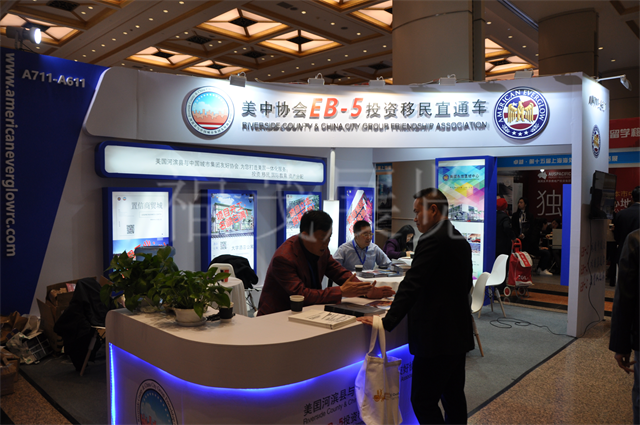
Business Owners and High-Net-Worth Individuals: A “Stepping Stone” for Globalization
For business owners, investment immigration is not only an upgrade of personal status but also a key part of their company’s internationalization strategy. By obtaining overseas status, business owners can overcome trade barriers, establish subsidiaries or regional headquarters in target markets, and enjoy local tax incentives and policy support. For example, a Chinese manufacturing entrepreneur successfully entered the Southeast Asian market by obtaining investment immigration status in a certain country, participating in government bidding as a local company, resulting in a 300% increase in orders. Simultaneously, overseas status can provide a “firewall” for asset allocation—by transferring some assets to politically stable and legally sound countries, the risks of a single market can be effectively mitigated, achieving wealth preservation and appreciation. High-net-worth individuals place greater emphasis on the “tax optimization” function of investment immigration. Certain countries’ non-global taxation, inheritance tax exemptions, or low corporate income tax policies can significantly reduce their tax costs and increase their net asset returns.
Children’s Education Planners: Upgrading the Path from “Study Abroad” to “Status”
Education is one of the core driving forces of investment immigration. Under the traditional study abroad model, students face work visa restrictions after graduation, while investment immigration provides long-term guarantees for children’s education through a “status-first” strategy. Taking a certain country’s investment immigration as an example, after the applicant’s application is approved, their children can enjoy the same educational rights as local citizens, including free public education, low-cost private schools, and priority admission to top universities. More importantly, children holding overseas status can easily enter 985/211 universities when taking the Joint Entrance Examination for Overseas Chinese Students in China, with scores 100-200 points lower than the Gaokao (National College Entrance Examination). A Beijing family, through investment immigration, sent their children to top private schools in Canada while retaining their Chinese school registration. This “dual-track” education model allowed their child to gain admission to prestigious universities in both China and the West, achieving the “optimal solution” for their educational path.
For Retirees: Dual Guarantee of Quality Life and Healthcare
For those seeking a high-quality retirement, investment immigration offers a golden combination of a livable climate, excellent healthcare, and low cost of living. Certain countries, with their warm climates, clean air, and comprehensive healthcare systems, have become top destinations for retirees worldwide. For example, a Caribbean country’s investment immigration program requires applicants to invest only US$200,000 in government-designated real estate to obtain permanent residency, enjoying free public healthcare and a cost of living as low as one-third of that in China. Even more attractive is the country’s tax breaks for retirees, with pension income completely tax-free, and the property can be passed down through generations, providing dual protection for “retirement” and “asset transfer.”
For Risk Diversification and Asset Preservation: A “Safety Cushion” for Global Asset Allocation
In an era of increasing uncertainty, asset diversification has become a consensus among high-net-worth individuals. Investment immigration provides additional protection for wealth security through a dual allocation of “status + assets.” For example, some countries’ investment immigration programs require applicants to invest funds in government-designated funds or real estate projects. These assets are supervised by independent institutions, ensuring the safety and transparency of funds. Simultaneously, overseas status provides applicants with a “second passport,” allowing for rapid transfer to safe countries in the event of political risks, economic crises, or legal disputes, preventing assets from being frozen or confiscated. One entrepreneur, facing domestic corporate debt disputes, successfully transferred some assets to a neutral country using overseas status, avoiding financial losses, demonstrating the “risk hedging” value of investment immigration.
Global Travel and Business Convenience: Optimization of Time Efficiency and Opportunity Costs
For business people who frequently travel between multiple countries, investment immigration can significantly improve travel efficiency. Passports from some countries offer visa-free or visa-on-arrival access to over 150 countries, including major European and American economies, eliminating cumbersome visa application processes. For example, after approval of an investment immigration program, applicants can directly enter EU countries with their passports without prior visa applications, gaining valuable time for business negotiations and market research. Furthermore, overseas residency can provide applicants with a “business springboard,” allowing them to enjoy the same treatment as local businesses when establishing companies or participating in investment projects in target markets, thus reducing operating costs.
Investment immigration is not a simple transaction of “having money is enough,” but rather a comprehensive decision that requires consideration of individual needs, family planning, and asset status. Whether it’s a business owner’s holistic strategy, an education planner’s long-term vision, or a retiree’s pursuit of quality of life, the core lies in achieving synergistic optimization of life, education, and wealth through residency upgrades. In today’s increasingly globalized world, planning investment immigration in advance may be a crucial step in seizing future opportunities and safeguarding your family’s happiness.