
In today’s rapidly globalizing world, investment immigration has become a significant option for an increasing number of high-net-worth families. Beyond asset allocation and residency planning, many are more concerned with the tangible benefits of investment immigration: freedom of travel, access to educational resources, wealth protection, and an upgraded lifestyle. As residency becomes more than just a residence permit, but an integral part of a global strategy, the comprehensive advantages of investment immigration are being reassessed by a growing number of rational investors.
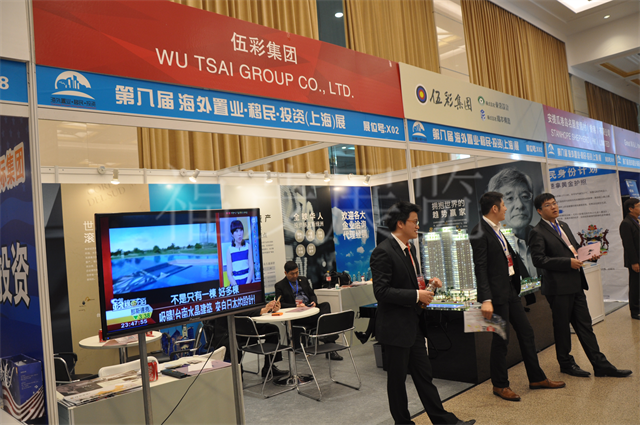
Increased Freedom of Travel and Residence
The most noticeable changes after obtaining overseas residency are often in travel and residence arrangements. This freedom significantly facilitates family life and business dealings.
- Visa Convenience and Travel Advantages: Holding residency or citizenship in several countries allows for visa-free or simplified visa processes to multiple countries, greatly improving international travel efficiency.
- Long-Term Residence Options: Investment immigration typically grants applicants long-term residency or permanent status, allowing them to freely choose their place of residence based on family plans.
- Facilitated Global Business Travel: For entrepreneurs, overseas residency helps expand into international markets and reduces the time and administrative costs of business travel.
- Four key benefits for family members: Spouses and children typically obtain residency status simultaneously, allowing for greater flexibility in family travel and residence arrangements.
This convenience extends beyond daily life, creating smoother pathways for cross-border investment, overseas property ownership, and international cooperation.
Education and Social Resource Advantages
Beyond the change in residency status, the long-term advantages of investment immigration for families are primarily in education and social resources.
- Priority access to education resources: After obtaining local residency, children typically enjoy greater advantages in school admissions, tuition fees, and educational choices.
- Optimized education costs: In some countries, local residents can enjoy lower tuition fees or more scholarship opportunities.
- Healthcare and social security: Some countries allow legal residents to participate in public healthcare systems, improving family health security.
- Long-term development platform: Completing education locally makes it easier to enter the local job market, laying a foundation for future career development.
The convenience of educational and social resources is often continuous, impacting not only the current learning environment but also the future development potential of children.
Wealth Allocation and Risk Diversification Value
From an asset management perspective, investment immigration is not merely a residency arrangement but also a global asset allocation strategy. Having overseas residency makes cross-border investment, overseas real estate allocation, and financial asset allocation more convenient for investors. Different countries differ in economic structure, monetary system, and market cycles; diversification effectively mitigates the risks of a single market.
Furthermore, overseas residency may offer more options in tax planning, asset inheritance, and wealth management. For families seeking long-term, stable wealth growth, investment immigration is often part of overall asset planning, rather than a standalone decision. Its convenience extends beyond a change in residency; it provides strategic support for risk diversification and future planning.
The convenience of investment immigration is reflected in multiple aspects, including freedom of travel, educational resources, social security, and global asset allocation. For families focused on long-term planning, this residency arrangement not only affects their current quality of life but also their future development potential and wealth security. Only by fully understanding policy requirements and one’s own goals, and rationally planning investment paths, can the value of investment immigration be truly realized, making the status an important bridge connecting global opportunities.