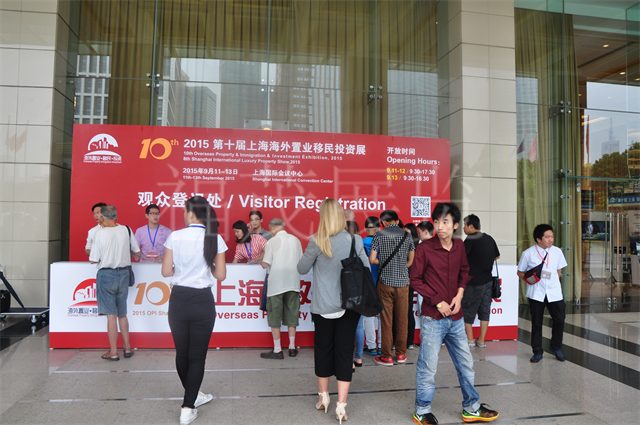
The 10th Shanghai World Expo Overseas Real Estate, Immigration and Investment Exhibition was held from September 11th to 13th, 2015. As one of the most important annual overseas asset allocation exhibitions, it focused on overseas real estate investment, immigration planning, and international investment opportunities. By integrating global resources and industry information, the exhibition provided visitors with an important reference platform for cross-border asset allocation and international lifestyle choices.
Global Perspective
This exhibition took a global perspective, bringing together real estate developers, immigration service agencies, and investment platforms from multiple countries and regions in Europe, North America, Asia, and Oceania. The exhibition covered multiple areas including overseas property investment, immigration services, and international investment, allowing visitors to access diverse international resources in one space. By showcasing the market environments, policy systems, and investment opportunities of different countries, the exhibition presented the development trends of the global real estate and immigration industries, reflecting the increasing attention Chinese investors paid to overseas asset allocation and international lifestyles. Visitors could make horizontal comparisons between projects in multiple countries, thereby gaining a clearer understanding of the investment logic and development potential of different regions and broadening their international horizons.
Four Themed Exhibition Zones
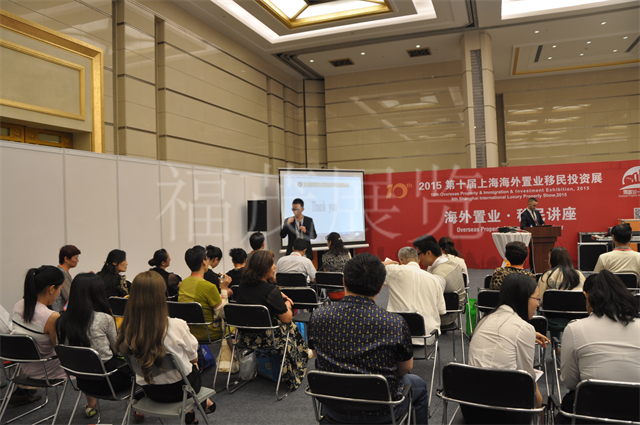
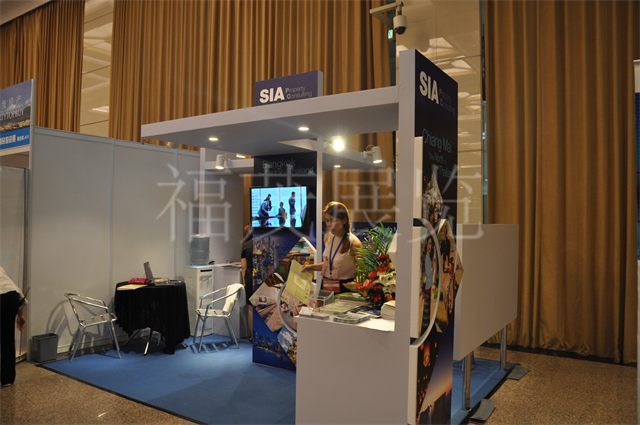
This year’s exhibition is structured around four themed exhibition zones: overseas real estate, immigration services, international investment, and related extended services, forming a complete cross-border resource display system. The overseas real estate zone showcases residential, commercial, and investment property projects from multiple countries, helping visitors understand the price structures, ownership forms, and return models of different markets. The immigration zone focuses on immigration policies and application pathways in various countries, clarifying complex policies through professional explanations. The international investment zone covers financial investment and industrial projects, emphasizing diversified asset allocation strategies. Meanwhile, the related services zone also covers legal, tax, and consulting services, providing visitors with a more comprehensive support system.
The four exhibition zones are interconnected, allowing visitors to not only obtain individual pieces of information but also develop a holistic understanding of real estate, residency, and investment, improving overall decision-making efficiency.
Data Witnesses Impact
In terms of scale and resource coverage, this year’s exhibition brought together exhibitors from multiple countries and regions, including real estate developers, immigration agencies, and investment service platforms, forming a relatively complete industry ecosystem. A large number of overseas projects and immigration solutions were showcased on-site, making the exhibition one of the most information-intensive professional platforms at the time. Meanwhile, the exhibition attracted numerous visitors with overseas property, immigration, and investment needs, creating a direct connection between supply and demand. Through three days of intensive display and exchange, visitors were able to access a wealth of real-world project and policy information in a short period. This high-frequency information exchange also reflects the exhibition’s actual influence within the industry.
Industry Value
The 10th Shanghai World Expo Overseas Real Estate, Immigration and Investment Exhibition plays a significant bridging role at the industry level. On the one hand, it provides a centralized channel for overseas projects to enter the Chinese market, helping developers and service agencies reach their target customers more efficiently. On the other hand, it also provides Chinese investors with a low-cost platform to access global resources.
Through centralized display and face-to-face communication, the exhibition effectively improved information transparency, reduced the difficulty of cross-border information access, and enabled investors to make more rational asset allocation and immigration plans. Against the backdrop of deepening globalization, such exhibitions promote the development of the real estate and immigration industries, facilitate the flow and connection of international resources, and have a positive impact on optimizing the cross-border investment environment.