In the wave of globalization, overseas investment has become an important option for ordinary people to optimize asset allocation and diversify risks. Whether pursuing higher returns or saving for children’s education or retirement, a well-planned overseas asset allocation can open up new possibilities for wealth growth. However, overseas investment involves the laws, markets, and monetary systems of different countries. Ordinary investors need to start with low-threshold channels and gradually accumulate experience to steadily achieve their global asset allocation goals.
For ordinary people new to overseas investment, QDII funds are the most convenient introductory tool. These funds are issued by domestic fund companies and invest in overseas markets through approved quotas. Investors do not need to exchange currency or open overseas accounts; they can purchase directly through platforms such as Alipay and bank apps. For example, QDII funds investing in US technology stocks allow ordinary people to share in the growth dividends of top global companies with an investment threshold starting from a few hundred yuan. If you want to directly participate in overseas stock markets, the Hong Kong Stock Connect is another option: qualified investors can open Shanghai-Hong Kong Stock Connect and Shenzhen-Hong Kong Stock Connect accounts and buy and sell stocks listed on the Hong Kong Stock Exchange just like trading A-shares. The system automatically settles transactions in RMB, saving the trouble of currency conversion.
For those seeking more flexible asset allocation, structured deposits and overseas insurance linked to foreign assets are worth considering. Structured deposits, issued by foreign banks, invest in fixed-income assets such as overseas bonds through equity swaps. They typically have terms of less than one year, and the returns, after deducting overseas financing interest, are returned as domestic deposit interest, making them suitable for investors with lower risk tolerance. Overseas insurance, on the other hand, can meet needs in scenarios such as education, retirement, and healthcare. For example, Hong Kong insurance supports multi-currency switching, allowing investors to choose the policy currency (USD, HKD, etc.) according to their future fund usage plans, achieving asset preservation and appreciation. However, purchasing overseas insurance requires in-person signing and a settlement bank card in the corresponding currency, making the process relatively complex.
For investors with a certain risk tolerance, foreign exchange investment and cross-border ETFs offer the potential for higher returns. Through commercial banks, one can purchase foreign currencies such as USD and EUR, earning profits from exchange rate fluctuations or interest income. However, each person has an annual foreign exchange purchase quota of only US$50,000, requiring careful planning. Cross-border ETFs track specific overseas market indices, such as the S&P 500 ETF and the Nasdaq 100 ETF. Investors can trade them through their securities accounts just like buying and selling stocks, diversifying the risk of individual stocks while capturing opportunities in overall market growth.
While overseas investment can broaden return channels, the risks cannot be ignored. Currency fluctuations can erode investment returns; for example, if the host country’s currency depreciates, even if the asset itself is profitable, it may result in a loss after conversion to the local currency. The legal systems and tax policies of different countries vary greatly, and unfamiliarity with local regulations can lead to compliance risks. Information asymmetry in the market can also lead to poor decision-making, such as insufficient understanding of overseas industry trends and company fundamentals, resulting in blindly following investment trends. Therefore, ordinary investors need to be cautious and avoid concentrating all their funds in a single market or product, instead diversifying their portfolios to reduce risk.
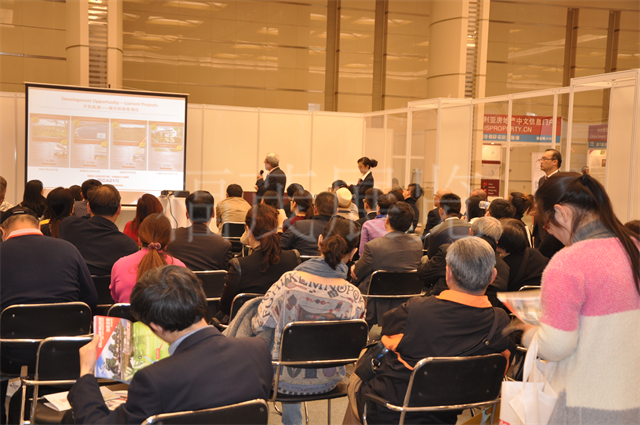
To lower the investment threshold and improve decision-making efficiency, ordinary people can access support through professional platforms. For example, regularly held international investment expos bring together global financial institutions, asset management companies, and legal advisors. Investors can learn about the latest overseas investment products and policy developments at these expos and consult with experts face-to-face on risk control strategies. These exhibitions not only provide a “one-stop” information channel but also help investors quickly grasp the core logic of overseas investment through case studies and roundtable forums, laying the foundation for global asset allocation.
Overseas investment is an important path for ordinary people to increase their wealth, but it requires starting with low-threshold channels, gradually accumulating experience, and focusing on risk diversification and professional support. By rationally selecting investment tools, paying attention to exchange rate and legal risks, and leveraging platforms such as investment expos to enhance understanding, ordinary people can also seize opportunities in the wave of globalization and steadily achieve their asset allocation goals.