
Against the backdrop of growing global asset allocation demand, overseas real estate investment has become a focal point for many investors. However, this investment area is not a “sure thing”; its safety and risks coexist, requiring a comprehensive assessment from multiple dimensions, including policy, economy, law, market, and culture, to make a rational decision.
Policy risk is the primary consideration for overseas real estate investment. The political environment and policy orientations of different countries vary significantly, which can directly affect investment returns. For example, some countries impose restrictions on foreign investors to protect their domestic markets, such as increasing stamp duty, restricting the areas or types of properties that can be purchased, or even issuing “purchase bans.” Furthermore, policy changes may affect property holding costs, such as the imposition of land surcharges, vacancy taxes, or requiring foreign companies to meet specific conditions to hold properties. These policy adjustments may increase investment thresholds, compress profit margins, and even lead to asset devaluation. Therefore, investors need to closely monitor policy developments in target countries and choose regions with strong policy stability and a friendly attitude towards foreign investment.
Economic risks are equally significant. Overseas real estate investment is closely related to the local economic cycle. Economic recessions may lead to falling property prices, reduced rental income, and even trigger market liquidity crises. For example, cities reliant on a single industry may suffer a severe blow to their real estate market if that industry declines. Furthermore, exchange rate fluctuations are one of the core risks of cross-border investment. If the currency of the host country depreciates, even if the property itself appreciates, the return after converting it back to the host currency may shrink. For instance, an investor who purchased property in Australia experienced a nearly 30% reduction in returns due to the depreciation of the Australian dollar. To mitigate such risks, investors need to choose countries with diversified economies and stable currencies, and use foreign exchange hedging tools to reduce the impact of exchange rate fluctuations.
Legal risks are a “hidden trap” in overseas real estate investment. The legal systems and property rights systems of different countries vary greatly. If investors are unfamiliar with local laws, they may encounter disputes. For example, in some countries, land ownership belongs to the state, and investors can only obtain long-term leases; some regions have imperfect property registration systems, leading to the risk of property disputes; and some countries have strict requirements for the procedures and sources of funds for foreign investors purchasing property. Failure to comply may result in failed transactions or legal penalties. Therefore, investors need to engage professional lawyers to conduct legal due diligence to ensure clear property rights, compliant transactions, and understand local tax policies to avoid losses due to tax issues.
Market risks are reflected in supply and demand relationships and cyclical fluctuations. If the target market has an oversupply, rental yields may decline, limiting property appreciation potential. If the market is in a downturn, investors may face a “high price, low demand” situation. For example, in some tourist destinations, overdevelopment has led to rising vacancy rates for serviced apartments, making it difficult for investors to achieve expected returns. Furthermore, non-traditional risks such as climate change and natural disasters are reshaping the logic of property value. For instance, in California, frequent wildfires have led to an annual increase in home insurance costs, with some high-risk areas even experiencing “insurance company refusal to insure,” directly driving up holding costs. Investors need to choose areas with balanced supply and demand and strong risk resistance, and pay attention to the impact of environmental factors on the long-term value of properties.
While cultural differences are not a direct risk, they can affect the investment experience and asset management. For example, some countries’ rental markets prioritize long-term leases, and short-term rentals may face legal restrictions; some regions have strict regulations on home renovations and decorations, which investors need to understand and adapt to in advance. In addition, remote property management may face communication barriers and maintenance difficulties, requiring assistance from professional agencies or local partners.
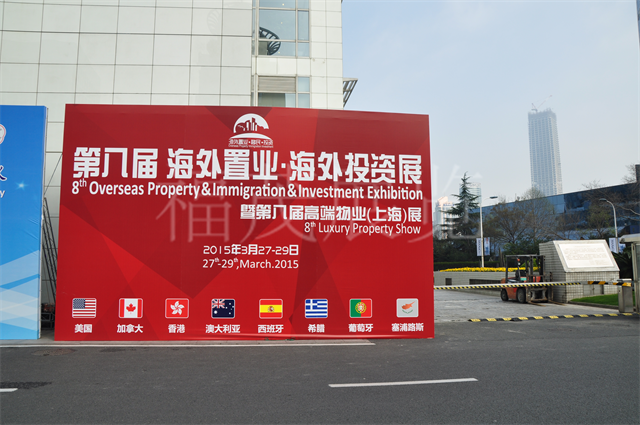
The safety of overseas property investment depends on a comprehensive understanding and effective management of risks. Investors should consider their own risk tolerance and choose regions with stable policies, diversified economies, transparent laws, and balanced market supply and demand. They should also conduct due diligence through professional agencies in legal, tax, and market aspects to reduce investment risks. For investors interested in gaining a deeper understanding of overseas real estate markets, attending international investment expos is an efficient approach. These expos bring together high-quality real estate projects, professional service organizations, and industry experts from around the world, providing investors with a one-stop platform for information access and resource matching, facilitating informed decision-making, and enabling global asset allocation and steady appreciation.