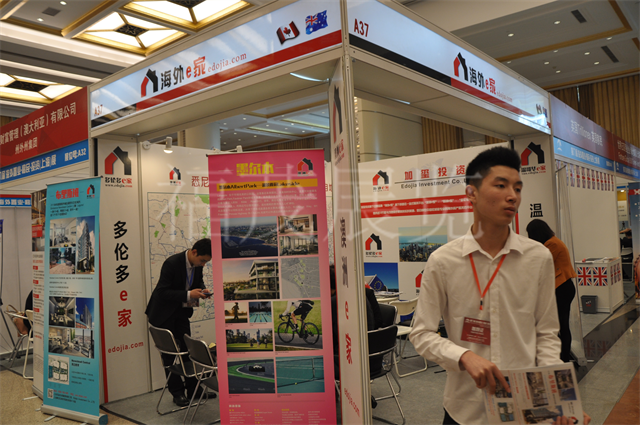
Driven by globalization, overseas real estate investment has gradually become an important part of asset allocation for many investors. Whether pursuing asset diversification or seeking higher investment returns, overseas real estate seems to exude an alluring glow. Various real estate-related exhibitions and events occasionally build bridges for investors to access overseas property projects, showcasing the vibrant overseas real estate market. However, behind this glamorous facade, are there hidden risks? Is overseas real estate a safe haven for investment, or a whirlpool of hidden risks?
What makes overseas real estate investment so attractive?
The primary reason for the popularity of overseas real estate investment lies in its potential for appreciation. In regions with rapid economic development and continuous population growth, the real estate market often exhibits strong growth momentum. For example, in some emerging markets in Southeast Asia, with the continuous improvement of infrastructure and the influx of foreign capital, housing prices and rental levels have continued to rise, bringing considerable returns to investors. At some real estate exhibitions, projects in these popular regions often become the focus, attracting the attention of many investors and giving them hope for wealth growth.
Furthermore, overseas real estate investment can help investors diversify their assets and mitigate the risks brought by fluctuations in the domestic market. When the domestic real estate market experiences adjustments, the stable performance of overseas markets may offer investors a sense of security. By participating in relevant exhibitions, investors can access real estate projects from around the world in one place, easily achieving cross-regional asset allocation and broadening their investment horizons.
The risks of overseas real estate investment cannot be ignored
However, overseas real estate investment is not without its challenges, and numerous risks lurk beneath the surface. Policy risk is one of the most significant. Real estate policies, tax policies, and foreign exchange management policies vary greatly from country to country. Changes in these policies can have a significant impact on investor returns. For example, some countries impose strict restrictions on foreign investment in real estate or suddenly increase property tax rates, which could jeopardize an investor’s plans. Even if projects are showcased at exhibitions, these potential policy risks are often not directly presented and require investors to conduct in-depth research.
Besides policy risks, market risks are also a crucial factor. The supply and demand dynamics, economic development, and real estate cycles in overseas real estate markets may differ significantly from those in the domestic market. In regions with unstable economies or overheated real estate markets, housing prices may be in a bubble. Once the bubble bursts, investors’ assets will shrink significantly. At trade shows, some projects may exaggerate their investment potential and conceal market risks. Investors who do not carefully scrutinize these projects can easily fall into investment traps. Furthermore, exchange rate fluctuations are a significant risk factor in overseas real estate investment. Exchange rate changes directly affect investors’ costs and returns, making investment outcomes highly uncertain.
How to Reduce Risks in Overseas Real Estate Investment?
Faced with the various risks in overseas real estate investment, investors are not helpless. First, a thorough understanding of the target market’s policy environment, market conditions, and legal system is crucial. Relying solely on fragmented information from trade shows is insufficient; investors should engage professional consulting firms or legal teams to obtain accurate market information and avoid losses due to information asymmetry. Second, diversification is also an effective way to reduce risk. By investing in different regions and types of real estate projects, investors can mitigate the risks of a single market or project, improving the stability of the overall investment portfolio.
Furthermore, monitoring exchange rate fluctuations and implementing appropriate risk management measures are essential. Investors can use financial derivatives such as forward contracts and options to hedge exchange rate risks and ensure stable investment returns. At the same time, maintaining a cautiously optimistic attitude and avoiding blindly pursuing high returns is also an essential mindset in overseas real estate investment.
Overseas real estate investment presents both opportunities and risks. For investors eager to explore overseas property markets and achieve steady asset appreciation, a professional real estate exhibition is undoubtedly an excellent opportunity. Here, you can meet face-to-face with high-quality global property projects, engage in in-depth exchanges with industry experts, obtain first-hand and accurate market information, and, under the guidance of a professional team, rationally plan your investment strategy and effectively mitigate potential risks. Don’t hesitate any longer, seize the opportunity, and start your new overseas investment journey at a real estate exhibition!