
Against the backdrop of continuously upgrading global asset allocation, overseas real estate investment has gradually become a focus for high-net-worth investors. At various real estate exhibitions and investment expos, overseas property projects always attract considerable attention. However, the market is complex and volatile, and investment returns and risks vary significantly across different countries, cities, and property types. To achieve stable returns in overseas real estate investment, intuition and following trends are clearly insufficient. Understanding and grasping the key factors for investment success is an essential skill for high-end investors.
Market Selection: The First Step in Overseas Investment
Choosing the right market is the core prerequisite for successful overseas real estate investment. Different cities have different economic developments, population flows, and policy environments. Only by finding a market suitable for one’s own investment goals can a solid foundation be laid.
When choosing a market, the following aspects need to be considered:
- Economic Development and Population Trends
The overall economic situation of a country, urban population growth, and employment opportunities determine the long-term value of real estate.
- Market Maturity
Mature markets have transparent rules and stable transactions, while emerging markets have great growth potential but higher risks, requiring consideration of individual risk tolerance.
- Supply and Demand Relationship
Stable long-term housing demand is the foundation for property appreciation and rental income; careful analysis is necessary before investment.
- Investment Cycle Matching
Short-term speculation and long-term holding have different market preferences; the investment cycle should be coordinated with personal financial arrangements.
Investment Returns and Risk Control are Equally Important
Overseas real estate investment not only pursues returns but also requires effective risk control. High-end investors typically ensure sustainable investment returns through comprehensive analysis of returns and costs.
When assessing returns and risks, the following aspects should be considered:
- Rental Returns and Cash Flow
Stable rental demand and reasonable rental levels ensure continuous cash flow and investment returns.
- Holding Costs
Taxes, property management fees, and daily maintenance costs directly affect net income and require advance planning.
- Exchange Rates and Policy Changes
Investing in overseas real estate involves foreign exchange risks and policy adjustments; risk management must be done in advance.
- Exit Strategy
Clearly define future resale or exit conditions to ensure smooth realization of assets amidst market fluctuations.
Enhancing Decision-Making Efficiency Through Professional Platforms
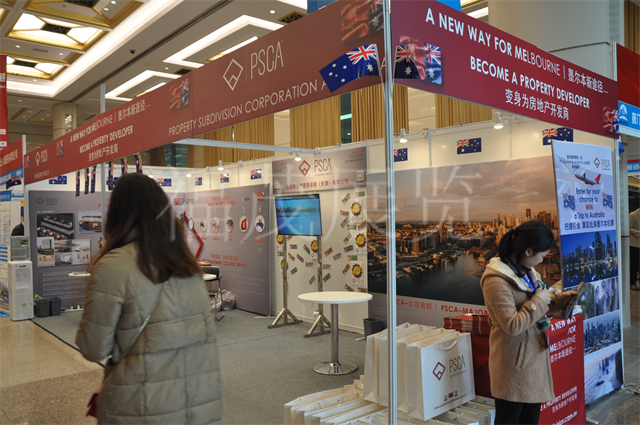
High-end investors can access systematic information and make more informed investment decisions through professional platforms such as real estate exhibitions and investment expos.
When utilizing exhibition platforms, consider the following key points:
- Concentrated Understanding of Projects from Multiple Countries
Exhibitions allow for quick comparison of investment characteristics across different countries and cities, saving significant research time.
- Face-to-Face Communication with Professional Institutions
Developers, consultants, and service providers provide on-site interpretation of market information, enabling investors to gain a more intuitive understanding of project value.
- Reducing Information Asymmetry
Obtaining firsthand information through exhibitions reduces the likelihood of making incorrect decisions due to insufficient information.
- Improving Decision-Making Efficiency
Completing information filtering and initial assessment on a single platform makes investment decisions faster and more accurate.
The key to successful overseas real estate investment lies in a comprehensive understanding of the market, returns, and risks, as well as utilizing professional platforms to obtain efficient information. By deeply analyzing the market environment, rationally controlling risks, and combining the resources provided by real estate exhibitions and investment expos, investors can more clearly identify opportunities and make rational decisions. With a grasp of key factors, overseas real estate is not only a wealth-building tool but also a stable and reliable core asset in global asset allocation.