
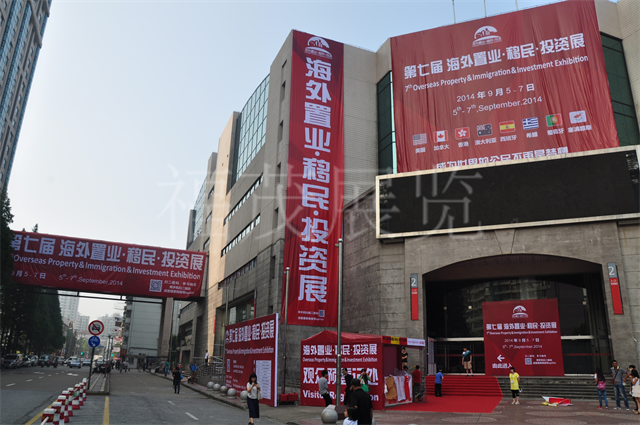
Against the backdrop of increasingly diversified global asset allocation, overseas real estate investment has become a key focus for more and more families. What truly determines the success or failure of an investment is not just the project itself, but the appropriateness of the city selection. Different countries and cities differ significantly in economic structure, population trends, and policy environment; choosing the right city often means a more stable foundation for returns. At real estate exhibitions, investors can access projects from multiple countries and cities, but how to make a rational judgment among numerous options is a crucial question to consider before cross-border property investment.
Assessing Economic Strength and Development Potential
A city’s long-term economic foundation is a crucial support for the stability of real estate values.
- A robust industrial structure: Cities with diversified industries generally have stronger resilience to risks.
- Employment and income levels: Regions with ample job opportunities and stable resident incomes are more likely to generate sustained housing demand.
- Internationalization: Cities with a high concentration of international companies often attract immigrants and long-term rental demand.
- Future planning direction: Government development strategies, key industry layouts, and large-scale infrastructure projects can all influence a city’s long-term potential.
After obtaining city information from real estate exhibitions, cross-validating it with macroeconomic data and publicly available planning information helps avoid focusing solely on superficial promotional materials.
Population Flow and Housing Demand Analysis
The core logic of real estate always revolves around “people.” Whether a city has a continuous inflow of population is a key indicator of demand stability.
- Population Growth Trend: Cities with a continuous net inflow have a more solid foundation for housing demand.
- Proportion of Young Population: A high proportion of young workers usually means a more active rental market.
- Education and Living Resources: Areas with excellent schools, medical facilities, and well-developed commercial amenities are more attractive in the long term.
- Rental Market Activity: Rental levels and vacancy rates reflect actual housing demand.
The city’s population structure directly affects the rental rate and future appreciation potential of properties; related data deserves close attention.
Policy Environment and Market Maturity
The legal system and real estate policies of the country where the city is located also affect investment security and return stability. Factors such as property rights structure, tax structure, and restrictions on foreign buyers can all alter actual returns. Mature markets typically possess robust legal systems and transparent transaction processes, resulting in relatively moderate price fluctuations; emerging markets may offer higher growth potential but are also accompanied by more pronounced cyclical volatility.
When choosing a city, it’s crucial to assess one’s risk tolerance and investment horizon. Investors seeking stable returns are better suited to cities with solid economic foundations and high policy transparency; those willing to accept some volatility risk may focus on rapidly developing emerging regions. Integrating city selection into the overall asset allocation framework helps achieve risk diversification and long-term balance.
Choosing a city for overseas real estate investment is a systematic decision. A comprehensive analysis of economic fundamentals, population trends, and policy environment, combined with in-depth comparisons using market information obtained from real estate exhibitions, can provide a clearer assessment of a city’s potential. Rational screening and a long-term perspective will lay a more solid foundation for cross-border investment.





