
Investment Risks Caused by Differences in Market Environments
The operating logic of real estate markets varies significantly from country to country. Without sufficient understanding, investors may easily misjudge potential returns.
- Different stages of economic development mean that property prices in some cities may grow rapidly, but this can also be accompanied by market volatility.
- Changes in population structure can influence housing demand; for example, cities with strong population inflows often have greater long-term potential.
- Urban planning and infrastructure development can have long-term effects on regional property values.
- The size of the local rental market and tenant demand directly affect the actual income potential of a property.
Uncertainty Caused by Policy and Regulatory Changes
Overseas real estate investment is often influenced by national policies, and regulatory adjustments may change investment costs or transaction methods.
- Some countries restrict property purchases by foreign investors, so eligibility requirements must be confirmed in advance.
- Property taxes, land taxes, and holding costs vary significantly between countries.
- Certain regions may regulate short-term rentals, property resale, or capital transfers.
- Policy changes may affect the investment return cycle, making long-term policy monitoring important.
Legal System and Transaction Process Risks
Cross-border property transactions involve different legal systems. Without a clear understanding of these rules, potential risks may arise.
- Property ownership structures vary among countries, so it is important to confirm ownership terms and legal frameworks.
- Differences exist in purchase contracts, payment methods, and fund supervision mechanisms.
- Transactions may involve multiple procedures, including lawyers, notarization, and taxation processes.
- Without assistance from professional organizations, issues may arise in contract details or property ownership verification.
Information Asymmetry and Management Risks
Overseas real estate investment often involves geographic distance and information gaps, making it difficult for investors to obtain accurate and timely information.
- Property listings may come from various sources, requiring careful distinction between promotional information and real market data.
- Factors such as construction quality and developer credibility require professional evaluation.
- Property management, rental operations, and maintenance may increase operational costs.
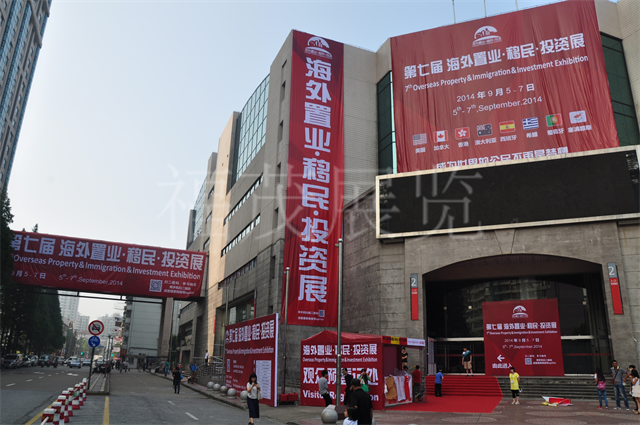
- Many investors communicate with developers, consulting agencies, and professional advisors at real estate exhibitions to obtain more comprehensive information and reduce uncertainty in investment decisions.
Overseas real estate investment can provide more options for asset allocation, but it is important to thoroughly understand local policies, legal systems, urban development, and market structures before entering the market. Obtaining information through professional consultation and reliable channels can help investors make more stable and informed decisions in the complex international real estate market.