With overseas property investment increasingly becoming a popular asset allocation and lifestyle planning option, many people’s initial concern isn’t “to buy or not to buy,” but rather “is the process clear?” Different countries differ significantly in their eligibility requirements, transaction procedures, fund supervision, and legal systems. Without systematic information, misunderstandings can easily arise in practice. Real estate exhibitions showcase property projects and home-buying services from multiple countries, allowing visitors to understand the entire path from property selection to transaction in a unified setting, thus gaining a more intuitive grasp of the overseas property buying process.
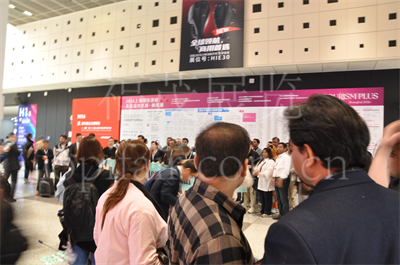
Centralized Display Makes the Buying Process Clearer
Multiple countries’ buying steps are presented simultaneously.
- Real estate exhibitions typically cover projects from multiple countries, simultaneously explaining local buying processes and basic rules.
- Concentrated information facilitates overall understanding; visitors can quickly compare differences in the buying process across different countries.
This approach reduces the difficulty of understanding the process.
On-site Explanation Supplements Key Operational Details
Face-to-face communication enhances process transparency.
- Developers or agents explain the specific steps from property selection and signing to handover.
- This reduces information gaps; visitors can ask questions about payment, title transfer, and other related issues.
This communication enhances practical understanding.
Multi-project comparisons help understand process differences
Horizontal comparisons make the process more intuitive, as different countries differ in purchase cycles, legal requirements, and procedural complexity. Furthermore, case studies facilitate understanding; comparing multiple projects helps determine which process best suits one’s circumstances, optimizing decision-making.
In the overall experience of real estate exhibitions, overseas property purchase processes are no longer fragmented and abstract information, but become clearer through centralized displays and on-site explanations. Visitors can quickly understand the purchase steps in multiple countries and build a comprehensive understanding through comparison and consultation, thereby reducing operational uncertainty. This information integration makes overseas property purchase processes more understandable and provides a clearer reference path for actual decision-making.