In the context of accelerating global asset allocation, real estate remains one of the most familiar and important investment options for many people. However, what truly determines success is not simply “buying property,” but “choosing the right project.” Different cities, developers, and policy environments can significantly affect both returns and risks. Therefore, learning how to select high-quality real estate projects is a crucial step toward successful investment.
What Is the Core Logic Behind Choosing Real Estate Projects?
Selecting real estate is not just about price levels; it requires a comprehensive evaluation of location, demand, policy, and long-term growth potential, all of which determine the asset’s future performance.
- Location determines long-term value; core cities or emerging growth areas usually offer stronger stability.
- Population inflow affects rental demand; areas with growing populations tend to generate stable cash flow.
- Infrastructure development such as transport and commercial facilities directly enhances property appreciation potential.
- Policy stability is critical; regions with frequent policy changes carry higher investment risks.
High-quality projects are not necessarily the cheapest ones, but those supported by sustained demand and long-term growth logic.
How to Choose Different Types of Real Estate Projects?
Real estate comes in various forms, and different investment goals require different selection strategies. Without a clear direction, investors can easily choose the wrong type.
- Residential properties are suitable for long-term holding, focusing on rental yield and demographic structure.
- Commercial properties such as offices and retail spaces depend heavily on economic conditions but offer higher return flexibility.
- Vacation properties are ideal for short-term rental or personal use, but are affected by seasonal demand fluctuations.
- New development projects are cheaper but riskier, suitable for investors with higher risk tolerance.
- Second-hand mature properties are more stable but may offer limited appreciation potential.
There is no absolute best option—what matters is matching the investment type with financial goals and holding period.
How to Evaluate Whether a Real Estate Project Is Reliable?
Many investors are influenced by marketing claims, but truly reliable projects must be verified from multiple dimensions rather than expected returns alone.
- Developer background and past delivery performance are key indicators of reliability.
- Actual occupancy or rental demand is more important than promotional figures.
- Clear ownership structure and legal protection help avoid title risks.
- Price comparison with surrounding projects helps identify overvaluation.
- Liquidity and exit options should be reasonable to avoid long-term capital lock-in.
Stable investments are usually those with transparent information and clear logic, not those promising the highest returns.
How to Control Risks in Real Estate Investment?
Although real estate is relatively stable, risks such as market fluctuations and policy changes still exist, requiring proper risk management.
- Avoid concentrating investments in a single region to reduce systemic risk.
- Control leverage levels, as excessive borrowing amplifies market volatility.
- Consider exchange rate risks in overseas property investments.
- Maintain sufficient liquidity instead of locking all funds in real estate.
- Regularly review asset performance and adjust strategies when needed.
The goal of risk control is not to eliminate risk entirely, but to keep it within manageable levels.
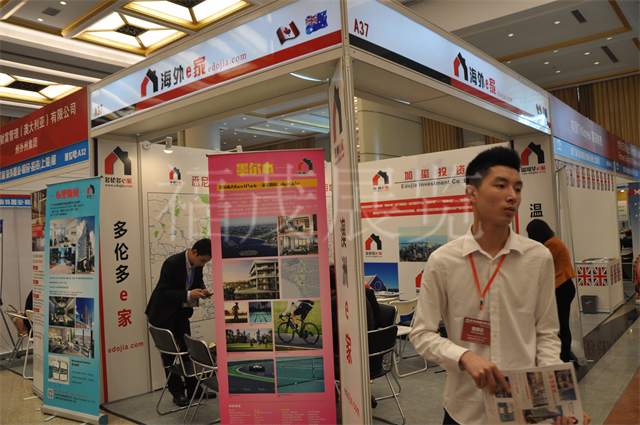
Real estate investment is not simply about buying property, but about selecting high-quality assets. The ability to choose the right project determines long-term returns and portfolio stability. In an increasingly dynamic global market, access to reliable information and professional comparisons is essential. More investors are turning to investment expos to understand international opportunities and policy trends. For those seeking comprehensive insights into global real estate projects, attending the Shanghai Formote Exhibition and related Investment Expo can provide valuable guidance and decision-making support.