
With the growth of the global economy and increasing demand for international asset allocation, overseas real estate investment has become an important area of interest for many investors. Property markets in different countries are influenced by factors such as population growth, economic development, urban expansion, policy environments, and international capital flows, resulting in significant differences in appreciation potential. Some markets achieve property growth through rapid economic expansion, while others maintain long-term value through limited resources and stable demand. Understanding the characteristics of different real estate markets can help investors identify more promising overseas property opportunities.
Which Countries Have Strong Real Estate Appreciation Potential?
Property appreciation is closely related to economic growth, population inflow, and urban development. Some countries have continuously increasing market demand, attracting both local residents and international investors, which supports long-term property value growth.
Countries with strong development potential include:
- The United States: With a powerful economy and abundant employment opportunities in major cities, long-term population growth continues to support housing demand.
- Canada: Continued immigration growth keeps housing demand stable, with cities such as Toronto and Vancouver showing strong market support.
- Australia: With mature urban development and limited land resources, properties in major cities such as Sydney and Melbourne maintain strong long-term value.
These countries have relatively mature real estate markets. Although property prices in some areas are already high, high-quality properties in major cities still have strong potential for value preservation and appreciation.
Why Do Emerging Markets Often Provide More Property Growth Opportunities?
In addition to developed markets, some emerging economies are creating new investment opportunities through rapid urban development and improving infrastructure.
Emerging markets worth considering include:
- Thailand: Strong tourism growth has attracted many overseas buyers, while residential and commercial property demand continues to expand in cities such as Bangkok.
- Malaysia: Lower living costs, international education resources, and a growing business environment create development potential in selected property markets.
- Vietnam: Expanding manufacturing industries and increasing foreign investment are driving population growth and housing demand.
- Turkey: Its strategic geographic location and active property investment market have attracted international buyers.
Emerging markets often offer lower entry costs and greater growth potential, but investors should also pay attention to policy changes, currency risks, and market fluctuations.
What Factors Determine Whether Overseas Property Can Appreciate?
Evaluating future property value requires more than looking at current prices. Investors should also analyze the long-term factors that influence real estate development.
Important factors include:
- Population growth trends, as increasing populations usually create stronger housing demand;
- Economic development, since stable employment markets support purchasing power;
- Urban planning and infrastructure development, as new transportation and commercial areas can increase surrounding property values;
- International investment conditions, which affect market activity and liquidity;
- Education and healthcare resources, as areas with high-quality public services are often more attractive.
Analyzing these factors together helps investors better understand the future direction of a country’s real estate market.
Which Cities Are More Likely to Experience Long-Term Property Growth?
Even within the same country, real estate performance can vary significantly between different cities. Generally, economic centers, densely populated areas, and highly internationalized cities are more likely to maintain long-term demand.
Representative cities include:
- New York and Los Angeles in the United States, which benefit from mature economic systems and stable investment demand;
- Toronto and Vancouver in Canada, supported by immigration growth and limited housing supply;
- Sydney and Melbourne in Australia, where core areas maintain strong long-term housing demand.
When selecting a city, investors should consider employment opportunities, population structure, and future development plans rather than simply comparing current property prices.
How Can Investors Increase the Potential for Overseas Property Appreciation?
Overseas real estate investment requires careful planning based on market research and personal objectives. Choosing the right country and city is only the first step. A suitable investment strategy can help reduce risks and improve long-term asset value.
Investors should consider:
- Prioritizing countries and cities with stable economies and clear population growth trends;
- Selecting locations with convenient transportation and mature commercial development;
- Understanding local property regulations, taxes, and ownership costs;
- Choosing between long-term holding and rental income strategies based on personal financial goals.
Real estate appreciation is influenced by multiple factors, and there is no single standard that applies to every market. Gaining a deeper understanding of market trends and combining professional insights can help investors make more informed decisions about international asset allocation.
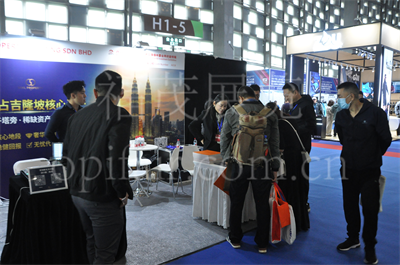
Global real estate markets continue to evolve, and property appreciation potential varies depending on economic conditions, population trends, and government policies. For those looking for overseas investment opportunities, understanding leading property markets and future development trends is essential. Shanghai Formote Exhibition and related investment expos provide valuable opportunities to connect with international real estate organizations and industry professionals, helping investors explore more market opportunities and investment directions.