
As overseas real estate continues to attract global investors, more people are purchasing property abroad for asset diversification, children’s education, or retirement planning. While buyers often focus on property prices and locations, many overlook the various taxes and fees involved in the purchasing process. In reality, every country has its own tax system, and costs may arise during the purchase, ownership, and resale stages. Understanding these taxes in advance can help buyers plan their budgets more effectively and avoid unexpected expenses.
What Taxes Are Payable When Purchasing Overseas Property?
Buying overseas property involves more than simply paying the purchase price. In most countries, buyers are required to pay several taxes and transaction-related fees before the purchase is completed. Although tax rates vary by country, the major categories are generally similar.
The purchase stage commonly includes the following costs:
- Stamp duty or property transfer tax, usually calculated as a percentage of the purchase price or property value;
- Real estate transaction tax, with rates and calculation methods varying by country and region;
- Legal, notarization, and property registration fees associated with the transaction process;
- Additional surcharges or foreign buyer taxes imposed in certain countries.
Besides the purchase price, these taxes and fees form an important part of the total acquisition cost. Understanding them beforehand allows buyers to prepare sufficient funds and compare investment opportunities across different countries more accurately.
What Taxes Are Required During Property Ownership?
Purchasing a property is only the beginning. During the ownership period, many countries continue to levy annual taxes or other recurring charges. Although these expenses are spread over time, they can have a significant impact on long-term investment costs.
During ownership, investors should generally expect the following expenses:
- Annual property tax based on the assessed value or local government regulations;
- Municipal or local taxes that support public infrastructure and community services;
- Additional taxes such as land tax or vacancy tax in certain countries.
Long-term holding costs directly affect the profitability of overseas property investments. These ongoing expenses should always be included when evaluating a property’s long-term financial performance.
What Taxes Apply When Renting Out Overseas Property?
Many overseas property owners choose to rent out their properties to generate stable income. However, rental income is generally taxable, and tax requirements for foreign property owners may differ from those for local residents.
When renting out overseas property, investors should pay attention to the following:
- Rental income is generally subject to personal income tax or rental income tax;
- Some countries allow deductions for property management fees, maintenance costs, and mortgage interest;
- Foreign owners may be required to file annual tax returns in accordance with local regulations;
- Double taxation agreements may help prevent the same income from being taxed twice;
- Investors using professional property management companies should also understand the related tax obligations.
A clear understanding of rental taxation helps investors estimate their actual rental returns more accurately while reducing potential tax compliance risks.
What Taxes Are Involved When Selling Overseas Property?
Selling an overseas property may also involve several taxes and fees. In many countries, profits generated from property appreciation are taxable, making it important to understand tax obligations before planning an exit strategy.
When selling a property, investors should pay attention to the following:
- Capital gains tax may apply to profits earned from the property’s appreciation;
- Transaction costs may include transfer fees, legal expenses, and administrative charges;
- Some countries adjust tax rates according to the property’s holding period.
Taxes incurred during the resale process directly affect overall investment returns. Proper planning of ownership duration and selling timing can help maximize long-term profitability.
How Can You Reduce Overseas Property Tax Costs?
Successful overseas property investment requires more than selecting the right property. Effective tax planning can significantly reduce ownership costs and improve long-term investment performance.
To better manage tax expenses, consider the following recommendations:
- Study the latest tax regulations in your target country before purchasing;
- Consult local lawyers, accountants, or tax advisors to develop a suitable investment strategy;
- Keep complete records of purchase contracts, tax receipts, and related expenses;
- Choose an ownership structure that aligns with your long-term investment objectives.
Proper tax planning not only helps reduce unnecessary expenses but also improves investment efficiency and supports more stable long-term asset growth.
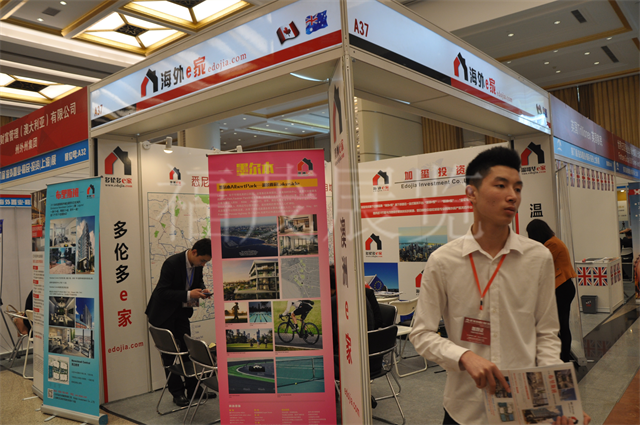
Buying overseas property may involve purchase taxes, annual property taxes, rental income taxes, and capital gains taxes, with regulations varying significantly from country to country. Understanding these tax requirements in advance can reduce investment risks and improve financial planning. For those interested in international real estate markets, overseas property regulations, and global investment opportunities, Shanghai Formote Exhibition and related Real Estate Exhibitions provide excellent opportunities to connect with industry professionals and gain valuable market insights.