
When choosing a study abroad destination, factors such as university ranking and academic strength are important, but safety, living environment, cultural atmosphere, and future career opportunities are becoming increasingly important for many students and families. For female students in particular, the choice of country not only affects academic experience but also daily safety and overall quality of life. Different countries offer different education systems, social environments, and career pathways, making it essential to choose carefully to ensure a smooth and secure study experience.
Countries with High Safety and Comfortable Living Environments
Safety is often the top priority when selecting a study destination. Countries with stable societies, well-developed public services, and a relaxed lifestyle tend to provide a more comfortable experience for international students.
Common situations include the following:
- Canada is known for its high safety standards and friendly urban environment, making it suitable for long-term study and living;
- New Zealand offers a slow-paced lifestyle and excellent natural surroundings, ideal for students who prefer a peaceful study environment;
- Japan has strong social order, convenient transportation, and a high sense of daily safety;
- Singapore provides strict urban management, excellent safety, and a highly international environment.
These countries generally have low crime rates and well-developed social support systems, making them particularly suitable for female students studying abroad.
Countries with High-Quality Education and Strong Recognition
In addition to safety, education quality and global recognition of degrees are also key factors when choosing a study destination. Strong education systems can significantly improve future career and academic opportunities.
Key points to consider include:
- The United Kingdom offers a well-developed higher education system, short master’s programs, and globally recognized degrees;
- The United States has a large number of universities, diverse majors, and strong research and practical resources;
- Australia offers a mature education system with flexible course structures suitable for diverse career paths;
- The Netherlands and Nordic countries offer high-quality education with strong internationalization and many English-taught programs;
- Germany provides excellent public education, with some programs offering low or even no tuition fees.
These countries are widely recognized for their academic standards and help improve long-term career competitiveness.
Countries with Lower Living Costs and Higher Cost Efficiency
Study abroad expenses are an important consideration for many families, and living costs vary greatly between countries. Choosing a cost-effective destination can significantly reduce financial pressure.
Key points to consider include:
- Germany and some European countries offer low tuition fees and relatively affordable living costs;
- Malaysia has a lower overall cost of living, making it suitable for budget-conscious students;
- Japan and South Korea have moderate living costs but offer more part-time job opportunities;
- Some Canadian secondary cities are more affordable compared to major metropolitan areas.
Selecting a cost-effective country can make the study abroad journey more manageable and financially sustainable.
Cultural Environment and Language Adaptation
Language proficiency and cultural adaptation significantly influence the overall study abroad experience. Countries with easier adaptation processes tend to provide a smoother transition for international students.
Key points to consider include:
- English-speaking countries such as the UK, Australia, and Canada provide a more familiar language environment;
- Japan and South Korea share cultural similarities with many Asian countries, making adaptation easier;
- European multilingual environments offer strong international exposure and language learning opportunities;
- Singapore’s multilingual society combines English proficiency with cultural diversity.
Better cultural adaptability can greatly improve both academic performance and quality of life.
Employment and Future Development Opportunities
Study abroad is not only an academic journey but also a stepping stone for future career development. Different countries offer different employment opportunities and immigration pathways.
Key points to consider include:
- Canada and Australia provide relatively generous post-graduation work visa options;
- The United Kingdom allows graduates to gain work experience after completing their studies;
- Singapore has a dynamic job market with many international companies;
- Germany has stable demand in engineering and manufacturing-related industries.
Choosing a country aligned with future career goals can significantly enhance long-term development opportunities.
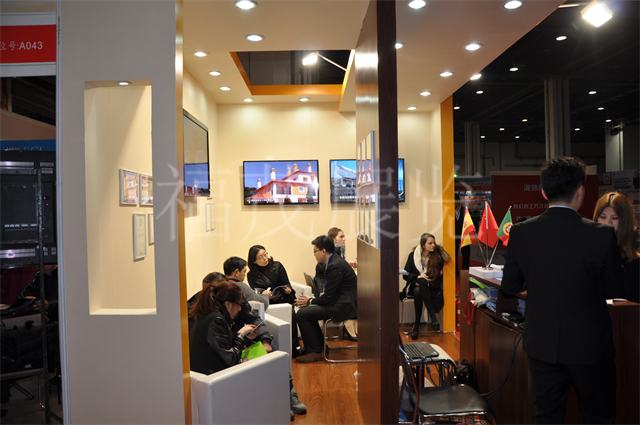
When selecting a study destination, female students should consider safety, education quality, cost of living, cultural adaptation, and career prospects in a balanced way. For those interested in global education trends, country comparisons, and international study opportunities, Shanghai Formote Exhibition and related Study Abroad Expos offer valuable platforms to connect with educational institutions and experts worldwide, providing deeper insights for better decision-making.