
The global real estate market is undergoing complex and profound changes, with significant divergence in housing price trends across different countries and regions. This divergence is the result of a complex interplay of factors, including economic fundamentals, demographic structure, policy adjustments, and international capital flows. Understanding these core drivers is crucial for seizing overseas real estate investment opportunities.
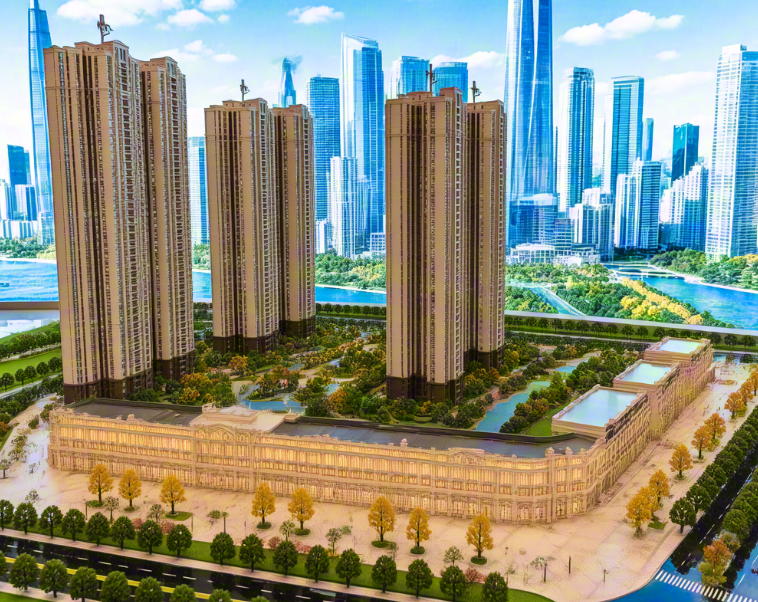
The US real estate market is exhibiting characteristics of “high-level consolidation” between 2024 and 2025. Although mortgage rates have remained above 6% for an extended period, significantly suppressing housing demand, the high-end residential market in core cities remains resilient. For example, in New York City, sales of ultra-luxury apartments in Manhattan (priced over $20 million) reached a new high since 2019, and listing prices in areas like Central Park South have increased by nearly 90% year-on-year due to land scarcity. This stark contrast stems from the risk aversion needs of high-net-worth individuals and intergenerational wealth transfer—trillions of dollars in assets transferred from the baby boomer generation to the millennial generation have directly driven up asset prices in prime locations. Meanwhile, emerging areas like Brooklyn and Queens have become growth engines due to their cost-effectiveness. East Flushing, driven by new commercial complexes and excellent school districts, saw its median home price surge by 51% in a year, reflecting young families’ dual pursuit of quality living and convenient commuting.
The logic behind rising house prices in Australia and Japan stems more from supply-demand imbalances and monetary factors. Australia has seen house prices rise for 18 consecutive months, with cities like Perth and Adelaide experiencing increases exceeding 14% over two years. The fundamental reason is the surge in housing demand driven by a surge in immigration. In 2023, the country’s net immigration exceeded 400,000, while the housing supply gap reached 2.1 million units, leading to a shortage in the rental market and rising homeownership costs. In Japan, the depreciation of the yen triggered international capital buying, with secondhand home prices in Tokyo’s 23 wards rising by 4.8% year-on-year. The minimum price threshold in prime locations like Azabu Ward has reached over 4 million RMB. More noteworthy is the phenomenon of Japanese people holding back their purchases in anticipation of rising prices, further exacerbating market tensions.
In stark contrast to developed countries, some emerging markets are undergoing a period of adjustment. Singapore’s housing prices surged too rapidly in the past (a cumulative increase of 37.5% from 2016 to 2022), prompting the government to implement stringent control policies, including raising stamp duty and restricting foreign home purchases. This led to a 19.6% year-on-year decrease in total housing sales in 2023, and Morgan Stanley predicts a potential 3% drop in prices in 2024. This policy-driven adjustment highlights the government’s vigilance regarding a real estate bubble.
In this global real estate market upheaval, real estate exhibitions are becoming a crucial bridge connecting supply and demand. For example, the 2025 Global Real Estate Technology exhibition brought together over 200 developers, financial institutions, and policymakers from 30 countries, breaking down geographical barriers through technological innovations such as virtual reality property viewing and blockchain-based property transactions. Attendees could not only directly compare key data such as housing price trends and rental yields in different countries, but also directly engage with local lawyers and tax experts to mitigate cross-border investment risks. For instance, an Australian developer’s “immigration + property” package at the exhibition, bundling home purchase with visa applications and children’s school enrollment services, attracted significant attention from Chinese investors. This “one-stop” solution is precisely the core value of real estate exhibitions—it’s not just an information hub, but also a resource integration platform, helping investors accurately identify opportunities in a complex and ever-changing market.
Looking ahead, overseas property price trends will continue to be profoundly influenced by interest rate cycles, population flows, and policy guidance. For investors, it’s crucial to focus on the inflation-resistant properties of high-end assets in core cities while also exploring the appreciation potential of emerging regions driven by infrastructure upgrades. As a window into the market pulse, real estate exhibitions will play an increasingly important role—not only as a barometer of industry trends but also as a starting point for ordinary investors to participate in global asset allocation.