In the complex ecosystem of the real estate market, real estate agents play a crucial role in connecting supply and demand, facilitating transactions. They shuttle between buyers and sellers, using professional services to break down information barriers and market insights to safeguard transactions. They are both the lubricant of the industry and a hub for resource integration. From the leasing and sale of ordinary residential properties to the leasing and operation of commercial real estate, from in-depth cultivation of the local market to the expansion of cross-border investment, the professional boundaries of real estate agents are constantly expanding with market development, and their professional value is becoming increasingly prominent.

The essence of a real estate agent is a professional service provider practicing law. According to industry standards, they must pass systematic examinations or certifications, master core knowledge such as real estate transaction systems, laws and regulations, and market analysis, and obtain professional qualifications before they can conduct business. This profession covers multiple sub-sectors: in primary home sales, they act as a bridge between developers and homebuyers, accurately conveying project value and answering client questions; in secondary home transactions, they undertake the entire process of property verification, price negotiation, and contract signing, ensuring compliance and transparency; in the rental market, they match tenant needs with landlord conditions to facilitate long-term and stable rental relationships. With the acceleration of globalization, cross-border real estate investment has become a new hotspot. Real estate agents with an international perspective and familiarity with overseas regulations are becoming increasingly sought-after in the market. They not only help clients complete cross-border transactions but also provide value-added services such as tax planning and immigration consultation.
Professional competence is the core competitiveness of real estate agents. Information integration ability is a basic requirement; they need to build a comprehensive database covering property information, client needs, and market dynamics through on-site inspections, data research, and client communication. For example, a leading company requires its agents to update at least 20 sets of property information daily and use big data tools to analyze regional price trends, providing accurate references for both buyers and sellers. Communication and negotiation skills determine the success or failure of a transaction. From identifying needs during the initial meeting to addressing pain points during viewings and negotiating prices during the signing process, every step tests the agent’s adaptability and professionalism. Statistics from one organization show that its top agents facilitate an average of over 40 transactions per year, with the average transaction cycle shortened by 20% compared to the industry average. This is the result of thousands of client communications and negotiation experiences. Furthermore, legal compliance awareness and risk control capabilities are equally crucial. From contract clause review to fund supervision processes, from property rights verification to tax calculation, brokers must ensure the entire transaction process is legal and compliant, protecting clients’ rights from harm.
Professional qualification certification and continuous learning are important guarantees for industry standardization. Currently, most regions implement strict professional qualification systems, requiring applicants to meet both educational and work experience requirements. Exam content covers transaction systems, business operations, laws and regulations, and the pass rate has consistently remained low, ensuring the professional standards of practitioners. At the same time, the industry’s demand for continuous learning is increasing. The application of new tools such as VR property viewing technology, AI intelligent matching systems, and blockchain property rights authentication is forcing brokers to constantly update their knowledge base. One chain brand requires its brokers to complete 50 hours of online courses annually, covering market analysis, customer psychology, and financial policies, to adapt to market changes.
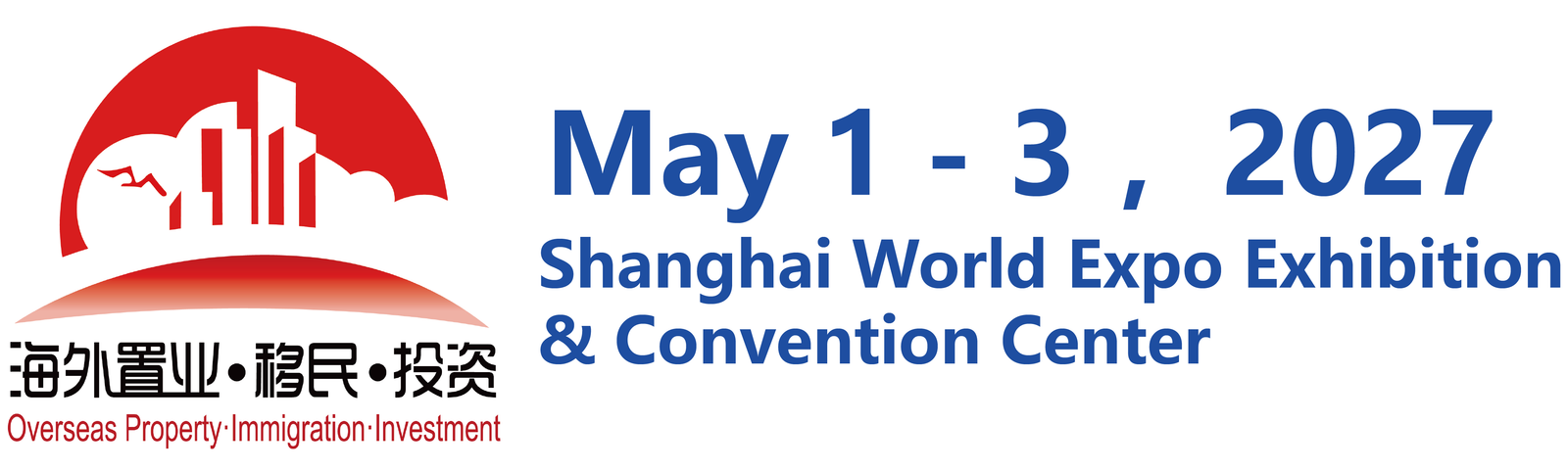
The professional value of real estate brokers is extending from single transaction services to full-cycle asset management. Modern service models place greater emphasis on customer lifecycle management. For example, they offer high-net-worth clients one-stop solutions ranging from home purchase consultation and interior design to rental management and asset allocation, resulting in significantly higher repeat purchase rates compared to traditional models. In the cross-border investment sector, the market insights and resource networks of professional brokers are crucial for clients to achieve asset appreciation. The upcoming overseas real estate exhibition is a prime example of this trend—high-quality projects and professional brokers from around the world will gather to build a bridge for investors’ cross-border asset allocation. This event not only demonstrates a precise grasp of industry development trends but also serves as a global test of the professional value of real estate brokers.