
Against the backdrop of continuously rising global asset allocation and cross-border investment demand, overseas real estate developers are ushering in new development opportunities. An increasing number of high-net-worth individuals, families, and institutional investors from China and other Asian markets view overseas real estate as an important option for asset preservation, risk diversification, residency planning, and long-term returns. However, while market demand is growing, competition is also intensifying. How to effectively expand business in an environment of high information transparency and increasingly rational customer decision-making has become a core issue that overseas real estate developers must address. For developers, relying solely on traditional channels or price advantages is no longer sufficient to form long-term competitiveness; a systematic approach is needed across multiple dimensions, including brand building, channel development, customer awareness, and service systems. Especially in cross-border transactions, cultural differences, policy understanding, trust building, and service depth often directly impact transaction efficiency and brand reputation. The 2026 Wise Shanghai Overseas Property, Immigration, and Study Abroad Exhibition will provide overseas real estate developers with an important window for direct dialogue with target customers.
Defining Target Markets and Customer Positioning
The first step for overseas real estate developers in expanding their business is to clearly define their target markets and core customer groups. Housing demand varies significantly across different countries and regions. Some prioritize asset allocation, others focus on owner-occupancy, while still others are closely tied to education and residency planning. Developers need to accurately match potential customer profiles based on their project type, price range, and location attributes. Simultaneously, they should avoid a “broad-based” promotional strategy and instead focus on in-depth outreach to highly relevant demographics. Clear market positioning not only improves marketing efficiency but also fosters stronger brand recognition among customers, laying the foundation for future conversions.
Building a Trustworthy Brand Image
In overseas real estate transactions, trust is a key factor in closing deals. For cross-border buyers, a developer’s brand background, professionalism, and long-term stability are often more attractive than short-term prices. Developers should consistently convey their corporate strength, project value, and service philosophy through a unified brand image. Brand building is reflected not only in the project itself but also in the transparency of information disclosure, the professionalism of communication, and the efficiency of responding to customer inquiries. A clear, stable, and trustworthy brand image helps reduce customer decision-making costs and enhances their willingness to cooperate.
Building Diversified Promotion and Customer Acquisition Channels
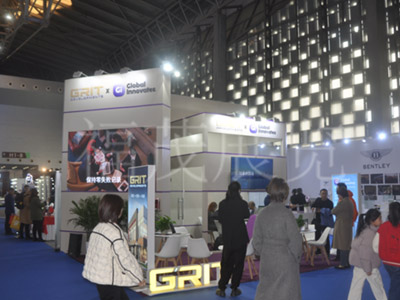
Overseas real estate developers should avoid over-reliance on a single channel when expanding their international business. The synergy between online and offline channels is crucial for increasing market coverage. Online, developers can continuously deliver professional information through official websites, content platforms, and social media to enhance search exposure and brand awareness. Offline, international exhibitions, industry forums, and city roadshows remain important venues for building trust and facilitating communication. Comprehensive platforms, such as the 2026 Wise·Shanghai Overseas Property, Immigration and Study Abroad Exhibition, provide developers with efficient opportunities to reach targeted customers, helping to shorten the distance from awareness to communication.
Strengthening Cross-Border Services and Local Support Capabilities
When customers choose overseas real estate, they are often not just buying a property, but also a complete service experience. Developers who can provide clear and smooth guidance on the purchase process and have a mature support system in areas such as legal matters, delivery, and post-purchase management will be more likely to gain customer trust. Furthermore, developers with localized support capabilities are better able to address customers’ concerns about language, culture, and procedures. A comprehensive pre-sales and after-sales service system helps improve customer satisfaction and generates a sustained customer acquisition effect through word-of-mouth marketing.
Deepening Market Connections Through Exhibition Platforms
International professional exhibitions are important channels for overseas real estate developers to showcase their strength, test market response, and establish partnerships. Through exhibitions, developers can not only directly reach potential customers but also form collaborative relationships with immigration, education, and financial institutions. At exhibitions, developers can convey project information and brand value through systematic presentations and face-to-face communication, deepening customer impressions. Long-term participation in influential industry exhibitions helps to steadily expand market awareness and build a stable customer base.
For overseas real estate developers to achieve sustainable business expansion, they cannot rely solely on single projects or short-term market opportunities but should conduct systematic planning at a strategic level. Clearly defining target markets, building a credible brand, expanding diversified channels, enhancing service depth, and actively leveraging professional exhibition platforms are all important paths to achieving long-term growth. In the increasingly rational trend of global cross-border investment, customers are paying more attention to developers’ professional capabilities and long-term value. The 2026 Wise Shanghai Overseas Property, Immigration & Study Abroad Exhibition will become an important platform for overseas real estate developers to connect with the Chinese market and deepen their brand influence. By continuously optimizing their business models and market strategies, developers can not only expand their business boundaries but also establish a solid and sustainable foundation for development in the highly competitive international market.





