
Overseas property purchases were once considered a “golden channel” for asset allocation, but in recent years, due to information asymmetry, policy differences, and cultural barriers, many investors have fallen into predicaments such as property disputes, financial losses, and even legal battles. From legal traps to market bubbles, from hidden costs to management blind spots, the pitfalls of overseas property purchases are often hidden behind seemingly glamorous advertisements, and a slight misstep can turn an investment into nothing.
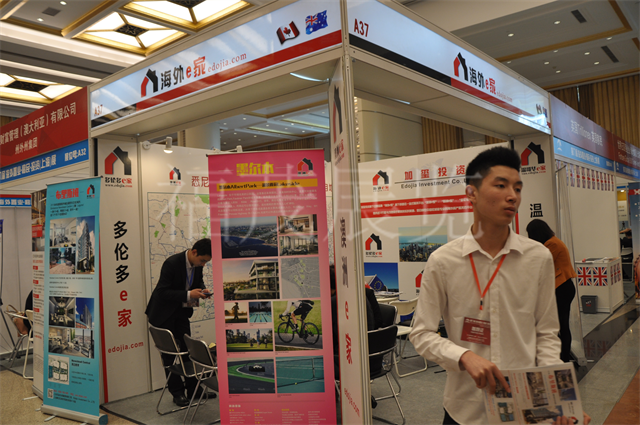
Property rights issues are one of the core risks of overseas property purchases. Property rights systems vary greatly from country to country. For example, the UK distinguishes between freehold and leasehold ownership. Leasehold requires regular rent payments and renewal upon lease expiration; without advance planning, there is a risk of the title becoming invalid. While Australia primarily uses freehold ownership, some states restrict overseas buyers from purchasing existing homes, allowing them only to invest in the new home market. In Southeast Asian countries like Thailand, land is owned by the royal family, and foreigners can only indirectly hold property through long-term leases or by establishing a company. Without engaging a professional lawyer to verify the title documents before purchasing, it is easy to fall into the predicament of “owning a house but no land” or “restricted ownership.”
Market bubbles and false advertising are another major trap. In some popular tourist cities or emerging markets, short-term capital inflows have driven up housing prices, creating a false sense of prosperity. For example, some Southeast Asian island projects attract investors with promises of “high rental returns,” but in reality, overdevelopment has led to soaring vacancy rates, resulting in rental yields far below expectations. “Real estate investment immigration” programs in countries like Spain and Portugal have been over-packaged, with some developers promising “green cards upon purchase,” while in reality, additional investment or residency conditions must be met. Investors who rely solely on agent promotions without conducting on-site investigations of supply and demand, rental levels, and policy stability are highly susceptible to buying at inflated prices.
Hidden costs are often underestimated, leading to actual expenditures far exceeding budgets. Besides the property price, overseas property purchases also incur stamp duty, legal fees, property management fees, maintenance funds, and other expenses, which in some countries can reach 10%-20% of the property price. For example, property tax rates in some US states exceed 2%, Canadian property purchases require land transfer tax, and overseas buyers in Australia are subject to additional stamp duty surcharges. Furthermore, when purchasing a property through a loan, differences in down payment ratios (e.g., 40% in the US, 35% in Canada) and interest rates (e.g., as low as 2.2% in Canada) between countries can significantly impact financial pressure. Failure to calculate total costs beforehand may lead to forced selling at a discount due to a break in the cash flow.
Subsequent management challenges are a “hidden killer” for long-term investments. For investors who do not reside overseas regularly, property maintenance and rental management rely on local teams. However, choosing unqualified agents or property management companies may result in vacant properties, rent arrears, or even property damage without repair. For example, the property management market in some Southeast Asian countries is unregulated, with some companies charging high management fees but failing to provide corresponding services, leading to reduced returns for investors. In addition, some countries impose additional taxes (such as capital gains tax) or holding period requirements on foreign property sales. Without a pre-planned exit strategy, investors may face high taxes or be unable to realize their investment in a timely manner.
Mitigating the risks of overseas property purchases requires a systematic strategy: prioritize countries with mature legal systems and stable policies; engage professional lawyers to verify property documents and policy compliance; verify market data through authoritative channels and conduct on-site investigations of supply and demand and rental levels; calculate the costs of the entire purchase, holding, and resale chain in advance, and reserve financial buffer space; choose qualified intermediaries and property management companies, and sign detailed service contracts; monitor exchange rate fluctuations and hedge risks through phased currency exchange or financial instruments. Overseas property purchases are not a “one-off transaction”; only by using a professional attitude to penetrate the fog of information can one achieve steady and long-term success in global asset allocation.