
For many families dreaming of overseas property investment, preparing the initial capital is often the first and most crucial step. Whether for children’s education, asset allocation, or immigration, the initial capital for overseas property purchase involves not only the price of the property itself but also covers taxes, agent fees, legal fees, and other expenses. So, how much initial capital is needed for overseas property purchase? This article will provide a detailed analysis from the perspectives of market characteristics, funding sources, and potential costs in different countries.
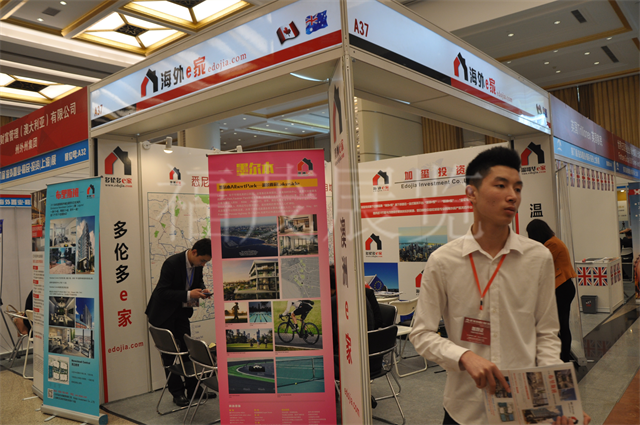
The initial capital for overseas property purchase primarily depends on the property price level of the target country. Taking Southeast Asia as an example, the price of small apartments in the core area of Phnom Penh, Cambodia, is generally between $1,500 and $2,500 per square meter, with a 50-80 square meter apartment costing approximately $75,000 to $200,000. In Greece, the minimum investment threshold for “commercial-to-residential conversion” projects under the property investment immigration policy is €250,000, and permanent residency can be enjoyed for three generations of the family. In contrast, some regions of the United States’ EB-5 investment immigration program require an investment of at least $800,000 and additional conditions such as job creation. These data indicate that the initial capital required for overseas property purchases varies depending on the country, city, and project type, requiring precise allocation based on individual needs and budget.
Besides the property price itself, sufficient funds must be allocated for taxes and fees when purchasing overseas property. For example, in Cambodia, foreign buyers must pay a 4% property transaction tax, along with additional expenses such as legal fees and agent fees, which typically account for 5% to 8% of the total property price. In Greece, property purchase immigration requires payment of property transfer tax, municipal tax, and legal fees, totaling approximately 10% of the property price. In the United States, buyers must bear property taxes, insurance premiums, and title search fees, with specific percentages varying by state. Therefore, when preparing initial capital, it is essential to allocate at least 10% of the budget to cover taxes and fees to avoid transaction interruptions due to insufficient funds.
The source of funds is another major challenge in preparing initial capital for overseas property purchases. For ordinary families, the three main channels are personal funds, proceeds from the sale of domestic property, and bank loans. If choosing a bank loan, it is crucial to be aware of the differences in loan policies across different countries. For example, mortgage rates in Cambodia are around 8.4%, with loan amounts typically ranging from 50% to 70% of the property price. In Greece, some banks offer loans of up to 70% for non-residents, but require detailed proof of assets and income statements. Furthermore, exchange rate fluctuations are a significant risk factor. If purchasing property with RMB exchanged for foreign currency, it’s crucial to monitor exchange rate trends and choose the opportune time to exchange to minimize costs.
Preparing initial capital for overseas property purchases also requires considering long-term holding costs. In Cambodia, for instance, annual expenses such as apartment management fees, utilities, and maintenance funds typically account for 1% to 2% of the property price. In Greece, annual property taxes are payable during the property’s ownership period, with rates varying depending on the property value. For investment immigration programs, subsequent immigration application fees and living costs must also be considered. Therefore, when preparing initial capital, it’s essential to assess one’s long-term financial capacity to ensure the ability to cover all expenses during the property’s ownership period.
Preparing initial capital for overseas property purchases is a complex and meticulous process, requiring comprehensive consideration of factors such as property prices, tax expenses, funding sources, and long-term holding costs. For ordinary families, it is recommended to choose a suitable country and project type based on their own budget and needs, while reserving sufficient funds for taxes and fees, and carefully assessing loan and exchange rate risks. With scientific planning and reasonable preparation, the dream of overseas property purchase will no longer be out of reach. Whether for children’s education, asset allocation, or immigration and settlement, overseas property purchase will become an important step in your life planning, opening a new chapter for you and your family.