
Amid the global asset allocation boom, overseas off-plan properties have become a top choice for many investors due to their price advantages, payment flexibility, and potential appreciation. However, unlike domestic property purchases, overseas off-plan properties involve multiple risks, including cross-border legal issues, exchange rate fluctuations, and developer qualifications. A slight misstep can lead to losing both money and property. How can one mitigate risks and maximize returns in overseas off-plan property investment? The key lies in grasping the core aspects, from developer qualifications to contract terms, from fund security to delivery and acceptance—each step requires careful attention.
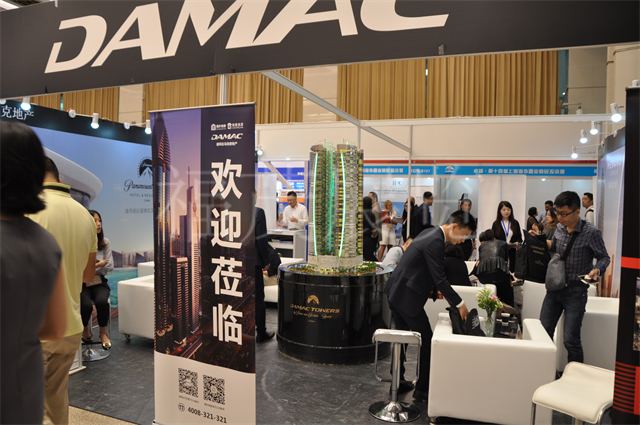
Developer qualifications are the primary consideration in overseas off-plan property investment. The maturity of overseas real estate markets varies greatly, and some emerging markets face the risk of developers experiencing cash flow problems and projects becoming unfinished. For example, in some Southeast Asian countries, developers have faced difficulties in financing, leading to the suspension of off-plan construction. Investors not only lose their down payment but also bear the subsequent costs of pursuing legal action. Therefore, when selecting a developer, it is crucial to examine their historical project delivery record, financial strength, and industry reputation. This can be achieved by checking local land bureau registration information, contacting owners of completed projects, or commissioning professional agencies to conduct due diligence to ensure the developer has legal development qualifications and a strong ability to fulfill contractual obligations. Furthermore, prioritize projects developed by listed companies or large real estate developers, as these companies typically have more abundant funds and stronger risk resistance.
Contract terms are the core basis for protecting your rights. Overseas property purchase contracts are mostly in local legal texts, with complex language and detailed clauses. Investors need to review them word by word, paying close attention to key aspects such as payment methods, handover standards, and liability for breach of contract. For example, some developers may include “installment payment traps” in the contract, lowering the down payment to as low as 10%, but subsequent payment milestones are frequent and involve large sums. If investors experience cash flow problems, they may face penalties for breach of contract or even contract termination. In addition, handover standards should be clearly specified down to details such as decoration materials and appliance brands to avoid developers using vague clauses to reduce the quality of delivery. If the contract is in a foreign language, it is essential to hire a professional lawyer to translate and interpret the clauses to ensure your rights are protected.
Fund security is the lifeline of overseas off-plan property investment. Cross-border remittances involve foreign exchange controls, bank fees, and exchange rate fluctuation risks, requiring advance planning of fund flows. For example, some countries require home purchase payments to be deposited into a government-escrow account, with developers applying for funding based on project progress. This model effectively prevents misappropriation of funds, but the authenticity and compliance of the escrow account must be verified. Furthermore, avoid transferring funds through personal accounts or informal channels to prevent being identified as “money laundering,” which could lead to frozen funds or legal disputes. Exchange rate fluctuations are also a potential risk. If the purchase contract is denominated in US dollars, and the investor’s local currency depreciates, it may increase the actual cost of the purchase. Exchange rate risk can be mitigated through foreign exchange hedging tools or installment payments.
Delivery and inspection are the final hurdle in overseas off-plan property investment. Some developers, in order to meet deadlines, may deliver quality issues, such as leaks, electrical faults, or non-conforming finishing materials. Investors should hire a professional home inspector for a comprehensive inspection before delivery and require the developer to rectify the issues within a specified timeframe. If the developer refuses to rectify or delays delivery, legal proceedings should be initiated according to the contract terms to protect their rights. In addition, some countries require the payment of property taxes and management fees after purchase; it is essential to understand the local tax system in advance to avoid affecting the legality of the property due to unpaid taxes.
Investing in overseas off-the-plan properties is a battle of information and risk management. From developer qualifications and contract terms to fund security and delivery acceptance, every step requires a professional approach. Investors need to abandon the speculative mentality of “buying at rock-bottom prices” and instead evaluate project value from a long-term perspective, choosing compliant projects, hiring professional teams, and setting aside risk buffer funds. Only in this way can a balance be achieved between asset appreciation and risk control in the overseas off-the-plan property market, making investment a true engine for wealth growth.