
Studying abroad has become an important path for many students to pursue academic development and career opportunities, and choosing the right study destination is a crucial step in the entire process. Each country’s education system has its unique characteristics, and finding the most suitable system from among numerous options is a key issue in the study abroad decision-making process. Study abroad fairs, as a platform bringing together higher education institutions worldwide, provide students and parents with an opportunity to understand the education systems of different countries. By participating in study abroad fairs, students can not only obtain firsthand information about the education systems of various countries, but also communicate with representatives from universities, education consultants, and alumni, thus making a more informed study abroad choice.
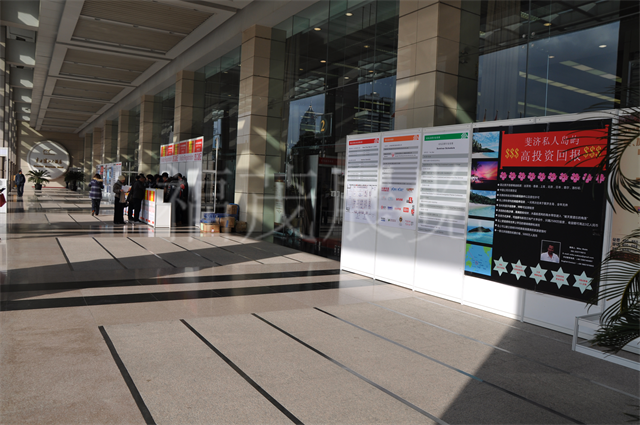
The Role of Study Abroad Fairs
Study abroad fairs are platforms for direct communication between educational institutions, study abroad agencies, education consultants, and students. By attending study abroad fairs, students can gain a comprehensive understanding of the education systems, degree accreditations, and curriculum of different countries, helping them find the most suitable study destination. Furthermore, representatives from universities and educational institutions from various countries are usually present at the fairs, providing detailed course information and answering students’ questions about admission requirements, visa policies, tuition fees, and other related matters. The advantage of study abroad exhibitions lies in providing students with a diverse source of information. Unlike online information access, exhibitions offer a face-to-face opportunity for students to directly engage with staff from educational institutions and understand the actual operation of education systems in various countries. This direct interaction often provides more specific and personalized advice than online searches.
How to Understand Different Education Systems Through Study Abroad Exhibitions
Understanding the Characteristics of Education Systems in Various Countries
Each country’s education system has its unique structure and characteristics. For example, British higher education emphasizes academic research and in-depth thinking, while the United States emphasizes the cultivation of comprehensive qualities and innovative abilities. The education systems of Australia and Canada are unique in their integration of academics and practice, while Germany is renowned for its applied education and technical disciplines. At study abroad exhibitions, representatives from participating universities and educational institutions from various countries typically provide detailed introductions to the characteristics of their country’s education. For example, the British degree system is usually a three-year undergraduate program with in-depth and challenging course content; while the United States has a flexible credit system, allowing students to choose courses based on their interests and cultivate diverse abilities. By communicating with staff at various country booths, students can gain a deeper understanding of different countries’ educational philosophies, learning methods, and degree systems, helping them make more suitable choices.
Focus on Admission Requirements and Curriculum
Admission requirements and curriculum vary from country to country. Some countries emphasize standardized test scores, while others value students’ overall abilities and extracurricular activities. At the exhibition, students can directly consult with universities about their admission requirements, application procedures, required materials, and language requirements. For example, US universities typically require TOEFL or IELTS scores, while some European countries may require applicants to have a specific professional background or language proficiency. Besides admission requirements, students should also pay attention to curriculum and degree structure. Different countries have different degree systems. Some countries use a credit system, allowing students to choose courses based on their interests and career plans; others use a fixed curriculum, requiring students to complete their studies along a prescribed path. By attending study abroad exhibitions, students can gain detailed information about the course content, academic system, and academic requirements of different countries, providing more comprehensive information to support their study abroad plans.
Understand Tuition and Scholarship Policies
The cost of studying abroad is a significant factor for many students and families. Tuition and living expenses vary considerably between countries, and scholarship and financial aid policies also differ depending on the country and university. At study abroad fairs, students can directly inquire about tuition fees, scholarship application requirements, and other financial aid opportunities from various universities and educational institutions. For example, tuition fees in the UK are generally high, but many universities offer scholarships; US universities also have many scholarship programs, but competition is fierce; while some countries, such as Germany and France, offer tuition-free or low-tuition education, which is an attractive option for students with limited budgets. By understanding the tuition and scholarship policies of different countries through the fair, students can make more suitable choices based on their financial situation.
Interact with Study Abroad Consultants and Senior Students
In addition to school representatives and educational consultants, study abroad fairs also provide students with the opportunity to interact with senior students who have already studied abroad. These senior students can share practical problems they encountered during their studies and their solutions, helping students more realistically assess the pros and cons of studying abroad. Through these interactions, students can understand the actual operation of different countries’ education systems and gain firsthand experience. Study abroad consultants typically provide professional advice to help students choose suitable countries and institutions based on their background and needs. At the fair, students can consult these consultants for free to learn more detailed information about studying abroad.
Study abroad fairs offer students a valuable opportunity to learn about different countries’ education systems. At the fairs, students can directly interact with representatives from universities and study abroad advisors from various countries, gaining insights into educational characteristics, admission requirements, tuition fees, and other information to comprehensively support their study abroad decisions. By actively participating in study abroad fairs, students not only learn about their study destinations but also better plan their academic journey. Choosing an education system that suits them lays a solid foundation for their academic and professional development.