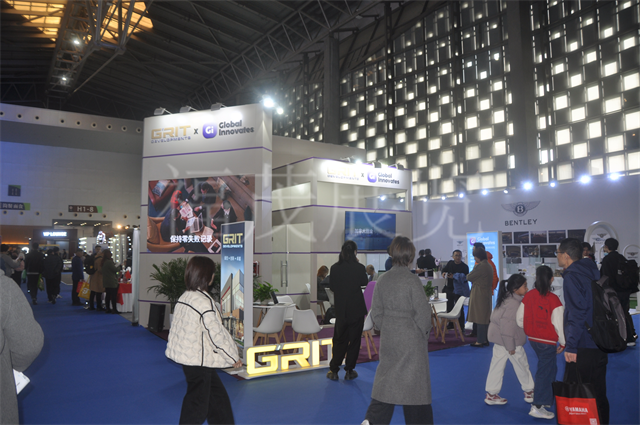
In the context of globalization, high-net-worth families are increasingly focused on how to achieve wealth appreciation overseas while providing their children with quality educational resources. Overseas asset allocation is not merely an investment activity; it is also crucial for family life and educational planning. At various exhibitions, overseas real estate and educational resources are consistently hot topics. Through scientific planning, families can find an ideal balance between investment returns and educational planning, achieving the dual goals of wealth and education.
Clarifying Asset Allocation Goals and Educational Planning Priorities
Before investing overseas, families need to clarify their wealth goals and educational needs to ensure both are considered in investment decisions.
- Wealth Appreciation and Stability:Assess the long-term investment potential and market risks of overseas real estate to ensure steady asset appreciation under different economic environments.
- Accessibility to Educational Resources:When choosing investment areas, pay attention to the quality of local schools, international educational resources, and the distribution of school districts to provide children with long-term development opportunities.
- Matching Investment Cycles to Family Planning:Adjust investment strategies based on children’s educational stages and family financial arrangements to achieve a balance between short-term returns and long-term holding.
- Convenience of Living and Residential Environment:The transportation, medical facilities, and community environment of the property location directly affect the family’s daily life experience and the convenience of children’s education.
Utilize Exhibition and Education Platform Resources Flexibly
Attending exhibitions helps families systematically understand overseas markets and educational resources, improving investment decision-making efficiency.
- Concentrated Access to Project Information from Multiple Locations: Exhibitions and trade shows provide information on real estate and educational resources in different countries and cities, facilitating quick comparisons for families.
- On-site Interpretation by Professional Institutions: Developers, investment advisors, and educational institutions offer professional interpretations, enabling families to fully understand market opportunities and educational value.
- Reduce Information Asymmetry Risk: Obtain firsthand information through face-to-face communication, avoiding erroneous decisions due to insufficient or misleading information.
- Improve Decision-Making Efficiency: Complete consultations, comparisons, and initial screenings on exhibition and trade show platforms, allowing investment and education planning to proceed simultaneously for greater efficiency.
Balancing Investment Returns and Children’s Education Strategies
High-net-worth families need to find a balance between asset appreciation and educational needs, forming a long-term sustainable plan.
- Selecting Prime Locations: Choose core cities with abundant educational resources and stable real estate markets, while considering both investment returns and educational advantages.
- Diversification Reduces Risk: A diversified portfolio across multiple cities and asset types ensures steady wealth growth while providing financial security for children’s education.
- Flexible Holding and Usage: Some properties can be used for personal residence or rented out, using rental income to support education expenses and achieving dual value in investment and lifestyle.
- Combining Long-Term Planning with Short-Term Needs: Funds and assets are strategically allocated according to the child’s different educational stages to ensure that investment returns and educational goals are achieved simultaneously.
Overseas asset allocation and children’s education planning are not isolated choices but can be mutually supportive. By clarifying investment goals, assessing educational resources, and leveraging information from trade shows, high-net-worth families can achieve steady wealth growth while providing quality education for their children. Scientific strategies and reasonable planning make overseas investment and education planning the dual pillars of a family’s long-term development.