
Against the backdrop of a constantly changing international trade environment, various international trade shows remain an important channel for foreign trade enterprises to acquire customers, showcase products, and establish cooperative relationships. Compared to email, telephone, or online platforms, trade shows provide opportunities for face-to-face communication, allowing enterprises and buyers to establish intuitive understanding and initial trust in a short period of time. Therefore, the quality of communication at the trade show often directly affects whether customers are willing to communicate further, and even determines whether cooperation can be achieved. For foreign trade enterprises, participating in trade shows is not just about “putting products on display,” but more importantly, “speaking effectively and communicating clearly with people.” Many foreign trade enterprises invest a lot of time and money before participating in trade shows, but the results during on-site communication are not ideal. Some sales personnel are not good at communication and only passively answer questions; some present overly complex content, making it difficult for buyers to grasp the key points; others ignore cultural differences, leading to an awkward atmosphere. These problems are not caused by the products themselves, but by inappropriate communication methods. In fact, trade show communication is a skill that requires both efficient information delivery and making buyers feel relaxed and respected. This article will provide practical skills for foreign trade companies to master when communicating with buyers at trade shows, covering aspects such as pre-show preparation, on-site communication, needs assessment, and follow-up. These skills will help companies better utilize trade show opportunities and improve communication efficiency and the likelihood of closing deals.
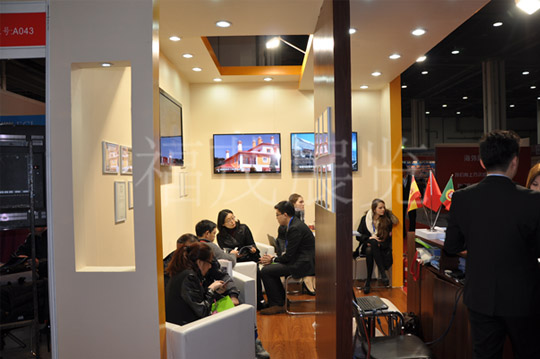
Adequate Pre-Show Preparation
Effective communication often begins before the trade show. Before participating, foreign trade companies should have a basic understanding of their target customers, such as the countries, industries, and customer types they primarily target. Based on this information, preparing appropriate product materials and communication scripts in advance will ensure smoother on-site communication. Sales personnel need to be familiar with the core advantages, application scenarios, and common questions about their products to avoid irrelevant or ambiguous answers during communication. At the same time, materials should be prepared as concisely and clearly as possible for buyers to quickly understand. Good pre-show preparation is the foundation for improving the quality of communication.
Proactive but Not Overly Enthusiastic
At the trade show, foreign trade companies need to maintain initiative, but should not be overly enthusiastic. When buyers pass by the booth, they can greet them in a simple and natural way, such as asking where they are from or if they are interested in a particular type of product. The tone should be friendly yet restrained, giving buyers the option to either engage in further discussion or leave. Being overly pushy with product sales can create pressure and reduce buyers’ willingness to communicate. The appropriate approach is to first establish a relaxed atmosphere and then gradually guide the conversation towards product and cooperation aspects. It’s crucial that buyers feel they are “communicating,” not being “sold to.”
Focus on Key Product Points
Time at trade shows is limited, and buyers’ attention is easily distracted. Therefore, when introducing products, it’s essential to focus on the key points and avoid lengthy explanations. Foreign trade companies should tailor their presentations to the buyer’s identity and interests, highlighting the product’s core advantages rather than going into every detail. For example, emphasize the problem the product solves, the suitable markets, and how it differs from similar products. Expressing key information in simple, direct language makes it easier for buyers to remember. If necessary, use samples or images to illustrate the points and improve comprehension.
Learn to Listen to Needs
Many foreign trade sales personnel tend to neglect listening during communication, focusing solely on introducing their own products. In reality, understanding the buyer’s true needs is far more important than a one-way presentation. During the exchange, guide buyers to express their ideas through questions, such as their current products, price range of interest, or cooperation methods. Attentive listening not only helps businesses assess customer value but also makes buyers feel respected. Adjusting presentations based on buyer feedback makes communication more targeted and facilitates building trust.
Be Aware of Cultural Differences
International trade shows bring together buyers from diverse countries and regions, and cultural differences significantly impact communication. Foreign trade companies should maintain a polite, patient, and open attitude, avoiding expressions that could lead to misunderstandings. For example, some buyers prioritize efficiency and prefer to get straight to the point, while others value relationship building and prefer brief pleasantries. Understanding and respecting these differences helps reduce communication barriers and improve effectiveness.
Timely Recording and Follow-up
After the exchange at the trade show, promptly record the buyer’s basic information, key needs, and communication details. These records are crucial for follow-up, helping sales staff quickly recall the content and conduct targeted contacts after the show. Post-exhibition follow-up is also an integral part of the communication process. Sending timely emails or messages to express gratitude and provide supplementary information helps solidify impressions and promote further cooperation.
Communicating with buyers at trade shows is a systematic and meticulous process for foreign trade companies, requiring both thorough preparation and flexible responses. Through reasonable pre-show preparation, proactive communication, clear product presentations, patient listening to needs, and respect for cultural differences, companies can significantly improve the quality of communication and customer goodwill. The trade show itself is merely a platform; the true determinant of success lies in how companies utilize this platform for effective communication. Only by excelling in communication can foreign trade companies transform brief trade show encounters into long-term cooperation opportunities, thereby truly realizing the value of trade shows in international trade.





