
In international trade, finding stable and reliable overseas buyers is one of the most crucial tasks for foreign trade companies and export-oriented factories. While the widespread use of online platforms seems to offer more ways to acquire customers, in practice, truly high-quality overseas buyers with a strong willingness to close deals remain prevalent at offline trade shows. Various international and professional exhibitions have long been important venues for overseas buyers and crucial channels for foreign trade companies to expand into overseas markets. Finding overseas buyers through trade shows is not simply about “attending one show and getting orders.” The trade show channel is more like a systematic project, encompassing pre-show preparation and selection, on-site communication methods, and ongoing follow-up after the show. Many companies participate in trade shows year after year, but the results vary greatly. The reason often lies not in the trade shows themselves, but in whether they truly understand and utilize the characteristics of the “trade show channel.” Only with clear goals and appropriate methods can trade shows truly become an effective bridge connecting companies and overseas buyers.
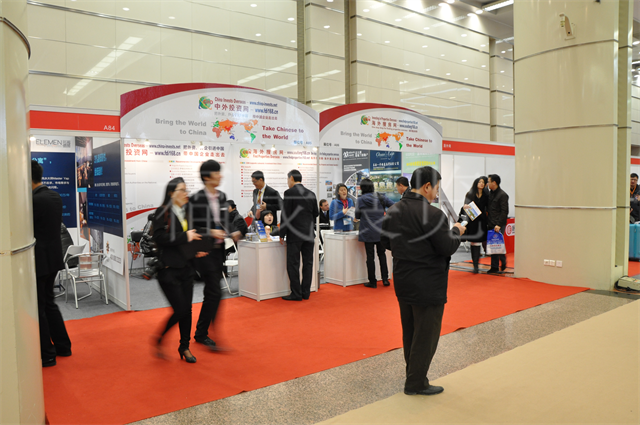
Choosing the Right Trade Show
The first step in finding overseas buyers is choosing the right trade show. Different trade shows have vastly different focuses. Some emphasize brand showcasing, others prioritize procurement matchmaking, and still others lean towards industry exchange. When choosing a trade show, foreign trade companies shouldn’t just consider its size and reputation, but rather its alignment with their products and target market. Generally, highly specialized, industry-focused trade shows are more likely to attract genuinely interested international buyers. For example, specialized trade shows targeting a specific industry segment allow buyers to have clear objectives, leading to more efficient communication. In contrast, while general trade shows attract large crowds, the cost of customer screening is also higher. Clearly defining your target market and customer type before selecting a suitable trade show is fundamental to finding buyers through trade shows.
Pre-show preparation is crucial
The success of a trade show largely depends on its pre-show preparation. Before participating, companies should understand the composition of the attendees, the main purchasing countries and industries, and prepare appropriate products and materials accordingly. Product displays should highlight core advantages, avoiding an excessive number of samples lacking focus. Simultaneously, companies need to prepare clear and concise English materials, including product introductions, company background, and contact information. Sales personnel should be familiar with product details, price ranges, and frequently asked questions to ensure quick and accurate responses to buyers’ inquiries during on-site interactions. Thorough pre-exhibition preparation is a crucial prerequisite for attracting proactive communication from international buyers.
Proactively Engaging with Buyers
At trade shows, international buyers typically browse quickly between booths, with limited time to stop. Therefore, companies need to proactively but naturally establish communication with buyers. Simple greetings and a clear positioning introduction can help buyers quickly determine if the company meets their needs. During communication, companies should focus on understanding the buyer’s purchasing objectives, market area, and cooperation methods, rather than rushing to sell products. Assessing the buyer’s true needs through questioning and then tailoring product introductions accordingly is more likely to pique their interest. A good first impression is often key to subsequent cooperation.
Providing Clear Information
International buyers at trade shows prioritize efficiency; they expect to obtain valuable information quickly. Therefore, when introducing products, foreign trade companies should use simple and direct language, avoiding excessive technical details and complex explanations. Focusing on the product’s uses, advantages, and suitable markets helps buyers make quick decisions. Meanwhile, key information such as price range, minimum order quantity, and delivery time should be clearly explained at appropriate times to avoid affecting communication effectiveness due to ambiguity. Clear information not only demonstrates professionalism but also enhances the buyer’s trust.
Collecting and Organizing Customer Information
Finding overseas buyers through trade shows does not mean that a deal is made on the spot. More importantly, it’s about collecting information on potential customers. Companies should record the basic information of buyers, their product interests, and cooperation intentions on-site to prepare for follow-up. Business cards, contact information, and key points of communication should be organized promptly to avoid information confusion or forgetting after the trade show. Systematically organizing customer information helps companies conduct tiered follow-ups after the trade show, improving conversion efficiency.
Continuous Post-Trade Follow-up
The real customer development work has just begun after the trade show. Companies should proactively contact interested overseas buyers within a short period, send thank-you emails, and supplement product information or pricing details. Follow-up content should be based on the exchanges at the trade show, avoiding template-based communication. Continuous and reasonable follow-up helps deepen the buyer’s impression of the company and gradually promotes cooperation. Many long-term clients are established through trade shows, and then gradually developed through subsequent communication.
Finding overseas buyers through trade shows is a highly efficient and relatively stable way to develop clients. However, trade shows are not just a formality; they require systematic planning and careful execution. From choosing the right trade show, to thorough pre-show preparation, to effective on-site communication and ongoing follow-up, every step directly impacts the final result. For companies looking to expand into overseas markets, treating trade shows as the starting point for building long-term client relationships, rather than a one-off sales opportunity, is crucial to consistently and reliably finding suitable overseas buyers.