
As global asset allocation becomes increasingly common, overseas real estate investment is attracting more attention from both high-net-worth individuals and middle-class families. However, there is no fixed answer to “how much money is needed to start,” as the entry cost varies greatly depending on the country, property type, financing options, and tax structure. Some markets allow entry with just a few hundred thousand dollars, while prime global cities may require over one million dollars. More importantly, beyond the property price itself, there are additional costs such as taxes, financing fees, and holding expenses. Without a clear understanding of the full cost structure, investors may underestimate the total budget and face unnecessary financial pressure.
Core Components of Startup Capital in Overseas Real Estate
Buying property overseas involves more than just paying the purchase price. The total capital structure usually includes several key parts.
- Down Payment (Main Cost Component)
Typically ranges from 20% to 70% of the property price. Foreign buyers in some markets may face higher down payment requirements, especially in premium cities or investment-focused properties.
- Taxes and Government Fees
These include stamp duty, registration fees, and land transfer taxes, usually accounting for 3%–15% of the property price depending on the country.
- Legal and Agency Fees
Overseas transactions usually require legal services, costing around 1%–3%. In some regions, agent commissions are also shared between buyer and seller.
- Financing Costs (If Using a Mortgage)
These include interest rates, appraisal fees, and loan processing charges, which can significantly impact long-term cash flow.
Differences in Capital Requirements Across Countries
Entry thresholds vary significantly by region, directly influencing investment strategy.
- Southeast Asia (Thailand, Malaysia, etc.)
Relatively low entry cost, typically $200,000–$500,000 for quality condominium investments.
- North America (United States, Canada)
Moderate to high entry cost, with major cities requiring $500,000–$1.5 million or more.
- Europe (Spain, Portugal, Greece, etc.)
Some countries offer relatively accessible entry points, around $250,000–$800,000, often with residency benefits.
- Premium Global Cities (London, New York, Vancouver prime areas)
High-end markets may require over $2 million in startup capital, suitable for long-term wealth preservation.
Hidden Costs That Investors Often Overlook
Many investment failures come from underestimating ongoing and hidden expenses.
- Property Management and Maintenance Fees
Luxury properties may charge annual fees equal to 1%–3% of property value.
- Vacancy and Rental Risk Costs
Empty periods can create cash flow pressure while fixed costs continue.
- Currency Exchange Risk
Fluctuations in exchange rates may increase effective investment costs or reduce returns.
- Renovation and Handover Costs
Some overseas properties are delivered unfurnished or semi-finished, requiring additional renovation budgets.
Investment Strategies Based on Budget Levels
Different capital levels require different strategies.
- Entry-Level Budget ($200,000–$500,000)
Suitable for Southeast Asia or secondary cities in Europe, mainly focused on rental income.
- Mid-Level Budget ($500,000–$1.5 million)
Allows access to suburban U.S. markets, Canada, or core European cities with balanced income and appreciation potential.
- High Budget ($1.5 million and above)
Suitable for prime global city locations, focusing on long-term capital preservation and appreciation.
- Diversified Global Strategy
Allocating capital across multiple countries to reduce risk and improve portfolio stability.
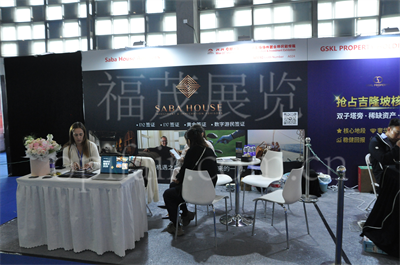
There is no universal fixed amount required for overseas real estate investment. The actual startup capital depends on multiple factors including country selection, financing structure, and investment strategy. Investors should carefully evaluate down payment ratios, tax obligations, financing costs, and long-term holding expenses before entering the market. By matching budget levels with appropriate markets, investors can achieve more stable returns in global asset allocation. For those interested in international property exhibitions and global investment opportunities, industry events such as the Shanghai Formote Exhibition provide valuable insights into emerging markets and real estate trends worldwide.