
Many people immediately think of high costs and high barriers when it comes to studying abroad, as if only wealthy families can afford it. However, with increasingly diverse global education systems, more country options, and the availability of scholarships and cost-effective pathways, ordinary families can achieve study abroad goals through careful planning. The key is not income level but whether the family chooses the right country, path, and has long-term planning capabilities.
Where Do the Main Costs Come From for Ordinary Families Studying Abroad?
The cost of studying abroad is not just tuition fees; it consists of multiple ongoing expenses. Differences between countries and cities can be significant, and without a comprehensive budget, the real pressure is often underestimated.
- Tuition and living expenses in the U.S. and U.K. are high, usually costing 200,000–500,000 RMB per year.
- Public universities in Germany and France have lower tuition, but basic living and accommodation costs still need to be considered.
- Living costs vary widely, with major cities’ housing and daily expenses often accounting for a large portion of the total budget.
- Language tests, application materials, and visa fees are low individually but add up over time.
The most common mistake is underestimating ongoing costs rather than one-time expenses, which can lead to financial stress later in the study abroad journey.
Which Countries Are More Suitable for Ordinary Families?
When budgets are limited, country choice often matters more than university ranking. Different education systems affect both tuition and living costs, so selecting a cost-effective country is crucial.
- Germany’s public universities are tuition-free or low-cost, making it one of the most affordable options.
- Japan and South Korea have moderate tuition and allow legal part-time work to relieve some living cost pressure.
- Malaysia offers lower overall expenses, suitable for international programs or transitional study pathways.
- Canada has a stable education system and clear long-term development paths, ideal for long-term planning families.
These countries share characteristics of controllable costs and clear study paths, making them more suitable for ordinary families entering the global education system.
How Can Ordinary Families Reduce Study Abroad Pressure?
For ordinary families, studying abroad is not about lowering goals, but optimizing costs through strategic choices, including country selection, city choice, and application pathways.
- Applying for scholarships or financial aid early can significantly reduce tuition costs.
- Choosing non-core cities or lower-cost regions can greatly cut daily expenses.
- Entering a bachelor’s program via community colleges or transfer pathways reduces initial investment.
- Planning language tests and applications in advance can avoid repeated costs and time loss.
The key is phased investment rather than one-time high expenditure, while avoiding blindly chasing rankings at the expense of overall budget planning.
Long-Term Value of Studying Abroad for Ordinary Families
Studying abroad is not just a short-term expense but a long-term investment, with benefits for future career development, global perspectives, and personal growth.
- Improving language skills and global perspective enhances future employability.
- Increasing overseas work opportunities, with some countries offering post-graduation work visas.
- Developing independence and cross-cultural adaptability.
- Providing more options for future career or immigration pathways.
How Can Ordinary Families Decide if Studying Abroad is Suitable?
Deciding to study abroad depends not only on finances but also on family planning, the child’s adaptability, and long-term goals, otherwise, there is a risk of mismatch between investment and outcomes.
- Does the family have stable long-term financial planning rather than short-term pressure-based investment?
- Does the child have independence and the ability to adapt to studying abroad?
- Are the study abroad goals clear—education, employment, or long-term development?
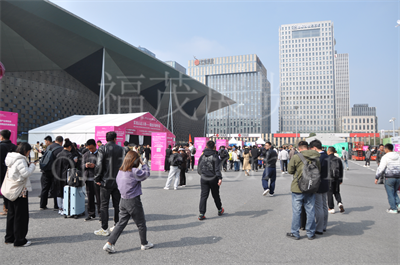
Ordinary families can absolutely make studying abroad possible, as long as they select countries and paths that fit their conditions rather than blindly pursuing high-cost options. With careful planning, studying abroad can be a realistic long-term educational investment. Families seeking more information and comparisons can attend international education platforms and events, such as study abroad expos, for firsthand insights, including the Shanghai Formote Exhibition and Study Abroad Expo.