
During the process of preparing for study-abroad applications, many students and parents encounter issues stemming from incomplete information. Educational systems, application requirements, academic programs, and visa procedures vary significantly across different countries; relying solely on online searches or a single information channel can easily lead to misunderstandings. Study-abroad fairs bring together institutions from multiple countries alongside various study-abroad service providers, allowing visitors to access a wealth of information sources within a single setting. Through face-to-face interactions and comparisons across multiple institutions, details that are often difficult to uncover otherwise become much clearer, thereby helping to minimize “blind spots” in one’s understanding of the study-abroad landscape.
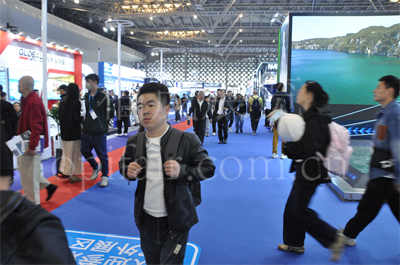
Centralized Displays of International Institutions Facilitate Comprehensive Understanding
Information from diverse nations presented in one venue.
- Study-abroad fairs typically aggregate institutional resources from numerous countries and regions, making it convenient to gain a unified overview.
- Mitigating one-sided information gathering: By browsing various schools and academic programs in a centralized setting, visitors can discover a wider range of potential options and directions.
This approach effectively broadens the visitor’s horizons regarding international educational opportunities.
On-site Consultation Clarifies Application Details
Face-to-face interaction enhances information accuracy.
- School representatives or educational consultants are on hand to outline application criteria, language proficiency requirements, and course curricula.
- Interaction brings details into sharper focus: By addressing specific personal inquiries, visitors can minimize misunderstandings and ensure they grasp the nuances of the application process.
This direct mode of communication significantly enhances the transparency of the information provided.
Multidimensional Comparisons Help Uncover Overlooked Issues
Comparative analysis highlights key differences.Institutions vary in terms of tuition fees, academic calendars, and program-specific strengths; comparing them side-by-side makes it easier to identify the most critical factors. Furthermore, this process allows students to anticipate potential challenges and—during the comparison phase—discover application details or career paths they may have previously overlooked.
This comparative approach effectively reduces the likelihood of missing crucial information.
Overall, the experience of attending a study-abroad fair enables visitors to access a vast amount of information regarding institutions and application procedures within a short timeframe, while continuously refining their understanding through on-site interactions. Compared to gathering information through isolated channels, this centralized exhibition format facilitates a more holistic understanding of the study-abroad landscape, empowering students and parents to identify potential issues and adjust their plans proactively. By gaining insights and making comparisons from multiple perspectives, the entire study-abroad planning process becomes clearer and more focused, thereby minimizing the risk of making suboptimal choices due to a lack of information.