
As more people pay attention to overseas living, children’s education, and global asset planning, buying property abroad has become an option considered by many families. However, overseas real estate markets are very different from domestic markets. From government policies and property prices to purchasing procedures, many factors need to be understood in advance. Buying an overseas property is not only about choosing a good location and price. Buyers also need to consider future usage needs, investment returns, and long-term property management. For those purchasing overseas real estate for the first time, thorough preparation can help reduce risks and make it easier to find a property that matches their goals.
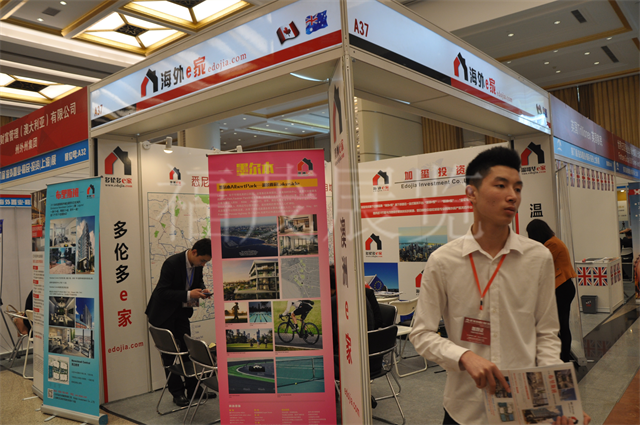
Define Your Purpose Before Buying Property Overseas
Before purchasing overseas property, the first step is to understand why you want to buy. Different goals require different choices. Some people purchase property for future relocation, some focus on investment returns, while others plan ahead for their children’s education.
Common reasons for buying overseas property include:
- Living needs. Focus on lifestyle, transportation, and community facilities.
- Rental investment. Pay more attention to rental demand and income potential.
- Education planning. Consider school resources and living convenience.
- Asset allocation. Use overseas property to diversify family assets.
Having a clear goal makes it easier to choose the right country and city. If the main purpose is investment, buyers should focus more on rental markets and property growth potential. If the plan is long-term living, factors such as healthcare, education, and daily living costs become more important. Many overseas buyers realize after purchasing that the property does not fully match their original plans because they did not consider their needs carefully enough.
What Market Factors Should You Consider When Choosing Overseas Property?
Real estate markets vary greatly between countries and cities. Even within the same country, properties in different areas can perform very differently. Overseas buyers should not only focus on popular locations but also analyze local economic conditions and future development trends.
Important factors include:
- Economic development. Stable economies usually create more reliable housing demand.
- Population growth. Areas attracting new residents often have stronger future demand.
- Property price trends. Understanding past performance and future potential is important.
- Rental market conditions. Check rental demand and income levels.
- Urban development plans. Infrastructure projects can influence property values.
For example, some international cities have higher property prices but benefit from strong employment opportunities and large populations, creating stable housing demand. Some developing cities may currently have lower prices but offer future growth opportunities. Choosing the right property requires looking at long-term trends rather than only current prices.
What Costs and Policies Should You Understand When Buying Overseas Property?
The process of buying property overseas is different from purchasing locally. Besides the property price, buyers may need to consider taxes, legal procedures, and ongoing maintenance expenses. Understanding these details in advance can help avoid unexpected financial pressure after purchase.
Important considerations include:
- Property purchase policies. Different countries have different rules for foreign buyers.
- Tax costs. Consider purchase taxes, property taxes, and related fees.
- Mortgage requirements. Loan policies for overseas buyers may vary by country.
- Ownership details. Make sure the property title is clear and legally secure.
- Management expenses. Rental properties and vacant homes may require ongoing maintenance costs.
Many overseas investors overlook additional expenses such as property management fees, insurance, and repair costs. Although these costs may seem small individually, they can affect the actual investment return over time. When preparing a budget, buyers should include all possible expenses instead of only considering the purchase price.
How to Manage Overseas Property After Purchase?
Buying overseas property is not the end of the process. Long-term management is equally important. Since many overseas owners live far away from their properties, they may face challenges related to rental management, maintenance, and market changes.
Key management considerations include:
- Choose reliable property management services. They can help with rentals and daily maintenance.
- Monitor market changes. Adjust rental or selling strategies based on market conditions.
- Maintain the property regularly. Proper maintenance can reduce long-term damage.
- Understand local regulations. Avoid problems caused by unfamiliar rules.
- Create a long-term plan. Adjust property usage according to family needs.
Overseas property investment involves many steps, from selecting a country and researching the market to completing the purchase and managing the property afterward. The best overseas property is not always the most expensive or most popular one, but the one that matches personal budgets, family plans, and investment goals. For those interested in global real estate trends, overseas property opportunities, and investment strategies, Shanghai Formote Exhibition and related Real Estate Exhibitions provide opportunities to connect with international developers, real estate organizations, and industry experts, helping buyers gain valuable information and better prepare for their overseas property plans.