
When planning their children’s education, many parents face an important decision: should they choose an international school to prepare for overseas university applications, or should they send their children abroad to experience a foreign education system directly? Both options have their own advantages, and there is no absolute answer as to which one is better. International schools allow students to experience global education systems while staying in their home country, while studying abroad provides direct exposure to overseas academic and living environments. The best choice depends on factors such as the child’s age, personality, family plans, and future development goals.
What Are the Differences Between International Schools and Studying Abroad?
The biggest difference between international schools and studying abroad lies in the learning location and growth environment. International schools allow students to complete their education locally, while studying abroad requires students to live and study overseas for a longer period.
The main differences include:
- Different study locations. International schools are mainly based in the home country, while studying abroad requires moving overseas.
- Different education systems. International schools usually follow international curriculums, while overseas students directly experience local education systems.
- Different language environments. International students need to use foreign languages regularly in academic and daily communication.
- Different life experiences. Studying abroad allows children to experience local culture and society at an earlier stage.
For younger students, international schools can provide a smoother transition, helping them gradually adapt to international courses and English learning. For older students with stronger independence, directly studying abroad may help them integrate into overseas environments more quickly.
What Are the Advantages of Choosing an International School?
International schools have become increasingly popular among families because they allow children to receive international education resources while reducing the pressure of leaving home at an early age.
Main advantages include:
- Early exposure to international curriculums. Students can study programs such as IB, A-Level, and AP.
- Clearer overseas university pathways. Students can prepare earlier for international university applications.
- More family support. Children can continue living and studying with their families locally.
- A smoother adaptation process. This option is often more suitable for younger students.
International schools are suitable for families who want their children to apply to overseas universities in the future but prefer them to continue growing up at home for the time being. Students can develop English skills, international perspectives, and independent learning habits before studying abroad.However, the quality of international schools can vary significantly. When choosing a school, parents should pay attention to curriculum design, teaching quality, university admission results, and campus environment instead of only focusing on the school’s reputation or marketing.
What Are the Advantages of Studying Abroad Directly?
Compared with international schools, studying abroad allows students to enter overseas education systems earlier and improve their language skills and adaptability through real-life experiences. For students who plan to develop internationally in the future, studying abroad can offer several advantages.
Benefits of studying abroad include:
- Faster language improvement. Daily academic and social environments help improve practical language skills.
- Stronger independence. Students learn to manage their own studies and daily life.
- Exposure to different cultures. Students can communicate with classmates from various countries.
- Better understanding of overseas environments. This helps with future education and career planning.
- Smoother university transition. Students can adapt earlier to overseas teaching methods.
However, studying abroad also requires stronger adaptability. After leaving a familiar family environment, students may need to handle challenges such as independent living, academic pressure, and cultural differences. Parents should evaluate their child’s maturity and emotional preparation before making a decision.
How Should Families Choose Between International Schools and Studying Abroad?
Choosing between an international school and studying abroad is not about which option is more advanced. The key is finding an education path that matches the child’s development stage and family goals. Different children may need different approaches depending on their age, personality, and future plans.
Important factors to consider include:
- Child’s age. Younger students may benefit from gradually adapting through international schools.
- Independence level. Students with stronger self-management skills may adapt more easily to overseas life.
- Family budget. Studying abroad requires long-term planning for tuition, accommodation, and living expenses.
- Future goals. Choices should be based on plans for overseas education, employment, or immigration.
- Educational needs. Consider the child’s interests, learning style, and personal development direction.
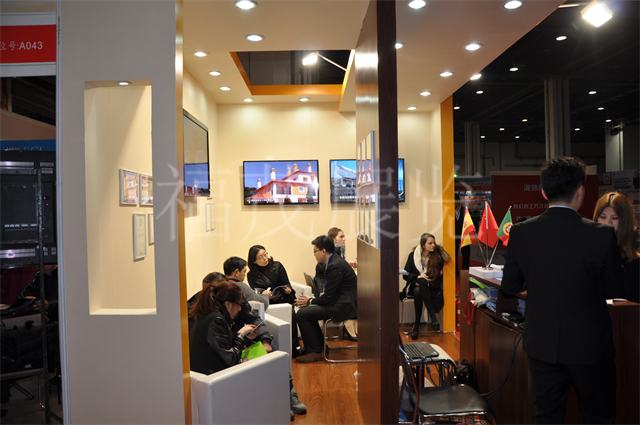
Whether choosing an international school or studying abroad, the ultimate goal is to provide children with better growth opportunities. International schools offer early access to global education systems, while studying abroad allows students to directly experience overseas academic and cultural environments. When planning an education path, parents should focus on their child’s actual needs rather than simply following popular choices. For families interested in overseas universities, international education trends, and application planning, Shanghai Formote Exhibition and related Study Abroad Expos provide opportunities to communicate with overseas schools, education organizations, and industry professionals, helping families gain valuable information and better prepare for their children’s future education.