
In recent years, Singapore has become a popular immigration destination for many families due to its stable economic environment, high-quality education system, comprehensive social services, and excellent living conditions. Whether seeking better career development opportunities, planning children’s education, or preparing for long-term settlement, more overseas applicants are considering Singapore immigration options. However, Singapore offers multiple immigration pathways, and each category has different requirements regarding education background, work experience, income level, and investment capability. Understanding these requirements in advance can help applicants choose a more suitable immigration route.
What Are the Main Ways to Immigrate to Singapore?
Singapore does not rely on a single immigration program to attract overseas applicants. Instead, it provides different long-term residency and identity planning options based on various talent categories. Applicants need to select a pathway that matches their personal background and future goals.
Common immigration pathways include:
- Employment-based immigration. Many overseas professionals obtain long-term residency opportunities through employment in Singapore, including professionals, managers, and skilled workers. Applicants with strong academic backgrounds, relevant work experience, and stable income are generally more competitive.
- Investment-based immigration. For entrepreneurs and high-net-worth individuals, Singapore provides investment-related pathways. Applicants usually need strong business experience, sufficient financial resources, and a clear future investment plan.
- Entrepreneurship-based immigration. Individuals who wish to establish businesses in Singapore may explore entrepreneurial pathways and plan long-term residency based on business development and operational performance.
- Family-related immigration pathways. Some applicants may qualify for residency-related options through family connections, such as spouses, children, or other eligible family members.
Different immigration routes have different evaluation standards, and choosing the right pathway is an important foundation for a successful application.
What Basic Requirements Are Needed for Singapore Immigration?
Singapore immigration applications usually involve a comprehensive evaluation of an applicant’s personal background, financial ability, and potential contribution to local development. Besides meeting basic requirements, applicants also need to prepare complete and accurate supporting documents.
Applicants should pay attention to:
- Educational qualifications and professional background. Singapore places strong emphasis on skilled talent. Applicants with recognized qualifications and professional expertise often have advantages in employment and residency applications.
- Work experience and professional capabilities. Stable career experience, industry knowledge, and management skills can demonstrate an applicant’s overall competitiveness. Professionals in fields such as finance, technology, healthcare, and engineering are often highly valued.
- Income level and financial capability. Applicants need to demonstrate stable income sources and sufficient financial conditions to support themselves and their families while living in Singapore.
- Language communication ability. Although Singapore is a multilingual country, strong English communication skills can help applicants adapt more quickly to work and daily life.
- Good personal records. Applicants must comply with local laws and maintain a good personal reputation and record.
Meeting these conditions does not guarantee approval, as immigration authorities usually evaluate applications based on the applicant’s overall profile.
How Much Capital and Business Experience Are Required for Singapore Investment Immigration?
For applicants planning to move to Singapore through investment pathways, financial strength and business experience are important evaluation factors. Investment immigration is generally more suitable for business owners, entrepreneurs, and individuals with extensive commercial experience.
Investment-related applications usually focus on:
- Having sufficient investment capability. Singapore investment programs generally require applicants to demonstrate substantial financial resources, legal sources of funds, and the ability to maintain long-term investment activities.
- Possessing business management experience. Experience in business operations, company management, or entrepreneurship can demonstrate the applicant’s ability to contribute to economic development.
- Creating a practical business plan. Investment decisions are not only based on capital contribution but also consider future business development, industry selection, operational strategies, and long-term value creation.
- Understanding the local business environment. As an international financial center, Singapore has a highly competitive business market. Investors should understand market demand, industry regulations, and operating costs before making decisions.
Investment immigration is not simply about obtaining residency through financial contribution. It requires applicants to establish meaningful connections with Singapore’s economic development.
What Should Be Considered Before Applying for Singapore Immigration?
Singapore immigration involves multiple aspects, including residency planning, career development, family arrangements, and long-term lifestyle decisions. Preparing in advance can help applicants avoid potential challenges during the process.
Applicants should consider:
- Choosing a pathway that matches their situation. Different backgrounds require different strategies, and selecting a popular option without proper evaluation may affect application results.
- Preparing application documents early. Educational certificates, employment records, financial documents, and business materials should be complete, accurate, and properly organized.
- Following policy changes. Singapore immigration policies may adjust according to economic conditions and talent requirements, so applicants should stay updated on the latest regulations.
- Considering long-term living plans. Besides obtaining residency, applicants should also evaluate housing, education, healthcare, and career development opportunities.
- Seeking professional guidance. Consulting professional organizations can help applicants better understand procedures, policy details, and planning strategies, reducing risks caused by limited information.
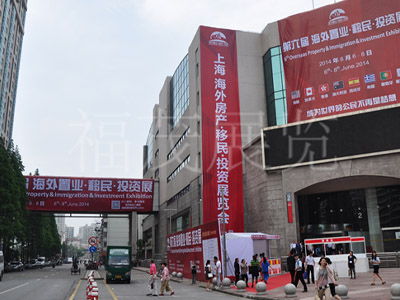
Singapore immigration requirements vary depending on the application category. Applicants should choose the most suitable pathway based on their personal background, career goals, family needs, and financial situation. For those interested in global immigration policies, overseas residency planning, and international lifestyle opportunities, Shanghai Formote Exhibition and related Immigration Expos provide opportunities to connect with overseas institutions, immigration consultants, and industry professionals, helping applicants gain professional insights and develop clearer international plans.