In recent years, South Korea has gradually become one of the most popular study abroad destinations in Asia. Its proximity, cultural similarities, relatively controllable cost of living, and strong industries such as film, music, design, and beauty have attracted an increasing number of students seeking higher education. After deciding on their target universities and majors, many students face the first practical question: how do I choose a visa? What materials are needed? Is the process complicated? Actually, whether you plan to pursue undergraduate or graduate studies, or even just take a language course as a transition, South Korea offers corresponding visa categories.
Why is understanding South Korean visa requirements important?
A visa is not only a “passport” to enter South Korea, but it also directly affects whether you can legally study, how long you can stay, whether you can renew your visa, and whether you can successfully change your visa in the future. If you are unclear about the visa requirements beforehand, it is easy to encounter problems such as insufficient materials, choosing the wrong type, or misjudging the timing during the application process. Therefore, understanding the visa policy before formally submitting your school application or paying tuition fees is a very necessary preparatory step.
D2 Visa
The D2 visa is the most common and standard student visa type in South Korea, primarily applicable to undergraduate, master’s, and doctoral degree programs.
Target Audience
Students planning to pursue a degree at a South Korean university, whether undergraduate freshmen or graduate students, typically need to apply for a D2 visa.
Basic Application RequirementsApplying for a D2 visa usually requires providing an official letter of acceptance from a South Korean university and sufficient proof of funds to demonstrate the ability to support oneself and study in South Korea. Additionally, depending on the university and major, proof of language proficiency may also be required.
Visa Advantages
The D2 visa has a relatively stable validity period, facilitating long-term study and renewal, and providing a foundation for future further studies or career development in South Korea.
D4 Visa
For students whose language proficiency has not yet reached the requirements of their major, or those who wish to adapt to the South Korean learning environment first, the D4 visa is a very common transitional visa.
Target Audience
Primarily applicable to students attending language training courses in South Korea. The visa is generally issued for at least six months and can be renewed based on the progress of their studies.
Attendance Requirements
D4 visas have high attendance requirements, typically requiring an attendance rate of 80% or higher. This is a basic management method used by South Korea to assess the academic attitude of international students.
Visa Flexibility
After completing the language course, eligible students can usually switch to a D2 visa within South Korea to proceed to their formal degree program.
C3 Visa
C3 visas are mainly for short-term study programs of 90 days or less, such as Korean language introductory courses or short-term cultural exchange programs.
Suitable Candidates
Students who wish to experience the Korean learning environment for a short period and have not yet determined their long-term study plans.
Advantages of Visa Transferability
Under certain conditions, a C3 visa can be converted to a D4 visa, giving some students more flexibility.
General Application Materials for South Korean Student Visas
Regardless of the visa type applied for, most South Korean student visa applications require the following general materials:
Valid passport; Letter of acceptance from a South Korean school; Proof of funds (e.g., bank statement, scholarship certificate, parents’ income statement, etc.); Proof of language proficiency (e.g., IELTS, TOEFL, Japanese N1, etc., depending on course requirements); Health insurance; Certificate of no criminal record (required in some countries or situations); Medical examination report (e.g., tuberculosis test certificate). Preparing materials in advance and planning the application process reasonably will help improve overall application efficiency.
Application Strategy
South Korean visa reviews focus more on the rationality of the study plan and the authenticity and completeness of the materials. As long as the goals are clear and the materials are well prepared, most student visa application processes are relatively smooth. Students are advised to choose the most suitable visa type based on their background and study plan, rather than blindly pursuing the “fastest” or “easiest” option.
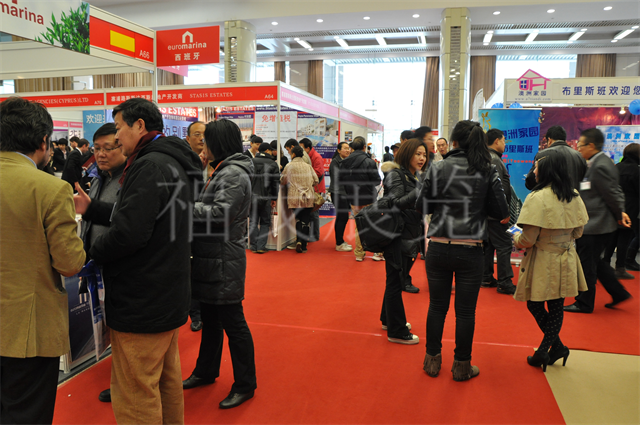
For formal academic courses in South Korea, choose the D2 visa; for language training, choose the D4 visa; and for short-term study, start with the C3 visa. By combining your study goals and time plan and finding the corresponding visa type, you can greatly reduce the uncertainty in the study abroad preparation process. For students preparing to study in South Korea who would like to learn more about studying abroad, immigration, and overseas lifestyles, please visit the 2026 Wise Shanghai Overseas Property, Immigration and Study Abroad Exhibition, held from March 29th to 31st, 2026. A professional team will be on hand to provide you with one-on-one consultation and answers.