
Driven by the global popularization of higher education and the surge in demand for cross-border study abroad, overseas student accommodation is transforming from a niche investment into a new darling of the capital market. From smart apartments near the City of London to shared communities around the University of Sydney, these assets attract the attention of insurance funds, family offices, and individual investors due to their stable cash flow, counter-cyclical characteristics, and capital appreciation potential. However, behind their “stable” label lies a complex web of variables, including supply and demand dynamics, operational challenges, and regional differentiation. Investors need to see beyond the surface and find the answer in balancing returns and risks.
The “stable” nature of student accommodation is primarily reflected in the resilience of rents supported by rigid demand. The commercialization of international education has driven the continuous growth in the number of international students worldwide. In English-speaking countries, for example, non-native students generally account for more than 20%, while university-owned accommodation coverage is less than 30%, directly creating a huge off-campus accommodation market. For instance, weekly rents for student accommodation in central London can reach over £350, with an average annual increase of 4%-6%, far exceeding the growth rate of ordinary residential rents. More importantly, students are less sensitive to rent and prioritize location and convenient amenities—apartments near subway stations, supermarkets, and libraries maintain occupancy rates above 95%, even with rents 10%-15% higher than market rates. This “rigid demand” allows student apartments to maintain stable returns during economic downturns, serving as a “safety net” for investors navigating economic cycles.
Deep capital involvement further amplifies the investment value of student apartments. The accelerated deployment of private equity funds and REITs is upgrading the traditional “bedroom business” into an “experience economy.” Greystar, the largest student apartment operator in the US, has increased its rental premium to over 20% by introducing fitness centers, 24-hour study rooms, and career mentor services. Mori Trust Group in Japan has transformed old commercial buildings into “smart student communities,” equipped with facial recognition access control and AI energy management systems, attracting high-paying international students. This product upgrade not only increases rental returns but also extends the customer lifecycle—from undergraduates to OPT graduates, with average lease terms increasing from one year to two to three years, significantly reducing vacancy risk.
However, student accommodation is not a risk-free investment. Regional differentiation is the primary challenge: in Sydney, privately operated student accommodation can fetch up to AU$700 per week, with a more than 40% increase in three years, while university-owned accommodation rents are only half the market price; in Dublin, while internationally owned student accommodation generates substantial income, it is burdened with huge debts, and the phenomenon of financial losses deviating from asset valuation is common. Operating cost pressures are also significant: property management fees, service fees, and land rent can account for more than 30% of rental income, and if developers inflate selling prices, the actual net profit margin may be significantly diluted. Policy risks are even more uncertain: after Brexit, tax breaks for student accommodation in some areas were cancelled, leading to increased operating costs; some Australian states have imposed additional land taxes on foreign investors, directly squeezing profit margins.
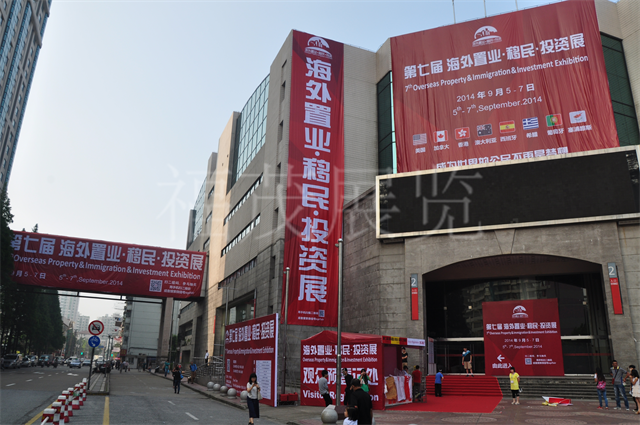
For ordinary investors looking to lower the investment threshold, participating in investment expos and other platforms is an efficient approach. The Shanghai Investment Expo, as a highly influential capital matching platform in the Asia-Pacific region, has always been an important window for overseas student accommodation investment institutions to showcase projects and connect with funding. At this global capital-gathering event, student accommodation operators often highlight “counter-cyclical assets” as their core selling point, showcasing operational data from key cities like London and Sydney to attract long-term investors such as insurance companies and family offices. For example, one exhibitor signed a $300 million fund agreement on-site, specifically for acquiring a portfolio of student accommodation assets in Japan, highlighting the expo’s catalytic effect on cross-border capital flows.
The stability of overseas student accommodation investment is essentially a comprehensive reflection of supply and demand logic, capital upgrading, and risk management. Its counter-cyclical nature and cash flow stability provide investors with a hedging option to weather economic fluctuations; however, regional differentiation, operating costs, and policy risks require investors to have stronger screening capabilities and risk control awareness. For ordinary investors, leveraging professional platforms such as the Global Student Accommodation Investment Expo may be the optimal path to achieving stable investment, allowing them to grasp core market opportunities and reduce trial-and-error costs through case studies and resource connections.