
When considering studying abroad, many people associate study abroad fairs with high costs, believing these events are only for families with large budgets. However, judging from the content showcased on relevant platforms, study abroad fairs not only integrate resources from multiple countries’ institutions but also offer different levels of options, allowing more people to access information suitable for their own circumstances. Through centralized displays and face-to-face interactions, visitors can more intuitively understand cost structures, application requirements, and diverse solutions. This format is not limited to a specific group but provides reference points for different budgets, making information access more open and diverse.
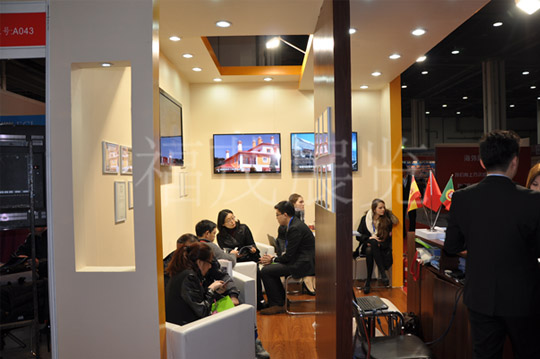
Are the resources at these fairs only geared towards those with high budgets?
The types of programs at study abroad fairs are often more diverse than imagined.
- In addition to high-cost institutions, there are also schools and regions with better value for money, catering to the needs of different economic conditions.
- Different levels of options allow more people to participate in planning:Some countries or institutions offer flexible pathways, enabling those with limited budgets to find suitable directions.
The existence of diverse resources means that study abroad planning is no longer limited to a single price range.
Are the information access methods friendly to those with limited budgets?
The exhibition format itself lowers the barrier to information access.
- Through centralized displays, visitors can learn about different options without needing to consult multiple sources, reducing additional costs.
- Communication is also more direct and clear:Face-to-face communication allows for quick access to key information, helping to avoid unnecessary decision-making costs.
This access method allows more people to make rational judgments on a single platform.
Can planning strategies be flexibly adjusted according to budget?
Study abroad paths are not fixed.
- Exhibitions allow visitors to learn about various application methods for different countries, enabling adjustments based on budget.
- Multiple combination options also increase choices:Schools, regions, and majors can be flexibly combined to make the overall cost more realistic.
This flexibility allows people with different economic conditions to participate in study abroad planning.
Study abroad exhibitions are more like platforms for information integration and exchange, rather than events solely targeting those with high budgets. Through the display of resources from multiple countries, direct communication, and diverse path options, visitors can make more realistic judgments based on their own circumstances. Regardless of budget, everyone can find valuable information in such an environment, providing a clearer direction for future study planning.