
Driven by globalization, studying abroad has become a crucial pathway for many students to broaden their horizons and enhance their competitiveness. However, the high cost of studying abroad often deters many families. In this context, student loans and sound financial planning become key to overcoming financial difficulties. These core issues are frequently the focus at various study abroad expos, offering attendees one-stop solutions.
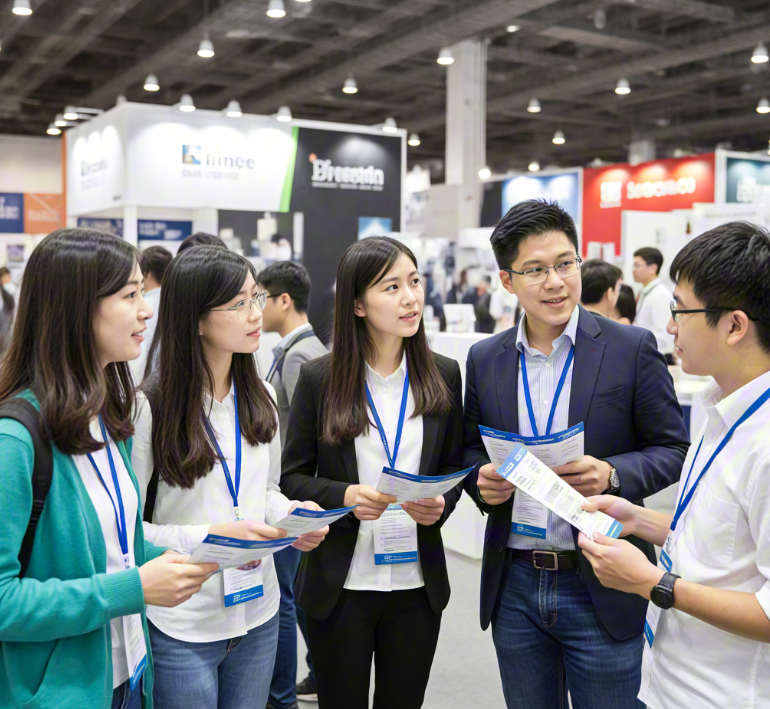
Student loans, as a dedicated educational funding tool, offer families flexible financial supplementation options. For example, institutions like MPOWER offer unsecured student loan products covering undergraduate and graduate studies, with loan amounts dynamically adjusted based on tuition shortfalls, reaching up to $100,000. This loan model breaks through the limitations of traditional mortgage loans, making it particularly suitable for families with insufficient assets but strong repayment capabilities. It’s important to note that loan applications must fully disclose the source of funds, including personal savings, scholarships, and sponsorships, to ensure accurate assessment of actual needs and prevent over-borrowing. For instance, if a student has already received partial scholarships or family savings, the lending institution will reduce the loan amount accordingly, ensuring precise and efficient use of funds.
The depth and breadth of financial planning directly impact the sustainability of the study abroad experience. At study abroad expos, professional consultants often emphasize the principle of “budgeting in advance”: using the “Cost of Attendance” tool on the school’s official website, students can calculate fixed expenses such as tuition, accommodation, and insurance in advance, and create a dynamic budget based on the cost of living data of the target country. For example, in the United States, the average annual tuition for private universities is approximately $30,000 to $60,000, while living expenses can range from $15,000 to $30,000 per year depending on the region. A reasonable plan requires reserving 10%-15% as emergency funds to cope with exchange rate fluctuations or unexpected expenses. In addition, the financial exhibition area at the expo often showcases diversified financial management tools, such as money market funds and education savings accounts, to help families preserve and grow their wealth. For example, some banks offer “study abroad financial packages” that integrate foreign exchange, overseas remittances, and credit card services, reducing cross-border financial costs through real-time exchange rate monitoring and fee reductions.
Study abroad expos are not only resource matching platforms but also hubs for knowledge sharing. During the thematic lectures, education experts often use real-life cases to analyze common misconceptions about financial planning. Some students have experienced an imbalance between income and repayment pressure after graduation due to a lack of advance planning for loan repayment periods; others have suffered additional losses when paying tuition fees because they neglected exchange rate risk management. These cases highlight the educational value of the expo—helping attendees develop risk awareness through interactive Q&A and simulated scenario exercises. For example, one expo’s “Study Abroad Financial Health Diagnosis” service generates personalized reports by inputting family income, assets, and liabilities data, identifying potential risks and providing optimization suggestions. This immersive learning experience far surpasses the one-way delivery of traditional promotional materials.
From loan product innovation to financial tool upgrades, study abroad expos consistently play a trendsetting role in the industry. With the development of fintech, some institutions have launched AI-driven intelligent planning systems that use big data analysis to predict study abroad cost trends and provide users with dynamically adjusted solutions. Simultaneously, the policy interpretation area within the expo is updated with the latest regulations on visas and work permits in various countries, ensuring seamless integration of financial planning and immigration policies. For instance, some countries allow international students to extend their visa periods after graduation to find employment; this policy change directly impacts loan repayment plans. Through in-depth dialogues with universities, financial institutions, and policy experts, exhibitors can build a comprehensive financial safety net covering the entire study abroad process.
Study abroad loans and financial planning are not isolated components but need to form a closed loop with educational choices and career development. Within the ecosystem of the study abroad expo, from professional setting consultations in the university exhibition area to funding solutions in the financial exhibition area, and industry trend analysis in the employment exhibition area, each section provides exhibitors with pieces of the puzzle. When these pieces are systematically integrated, a clear blueprint for studying abroad emerges: choosing universities that match the family’s financial capabilities, bridging funding gaps through loans, optimizing asset allocation using financial tools, and ultimately achieving financial freedom through overseas work experience. This full-chain service model is the core appeal that continues to attract tens of thousands of families to the study abroad expo.