Whether it’s overseas real estate, investment immigration, or international education trade shows, the most pressing question for visitors is often not “Does the project sound good?” but rather, “Is it genuine and reliable?” With the increasing number of cross-border investment channels and the growing variety of projects, the information gap is widening. Without professional background, it’s easy to be overwhelmed by promotional slogans, discounts, and “limited-time offers” at a trade show, even neglecting the most crucial criterion: the authenticity and legality of the project.
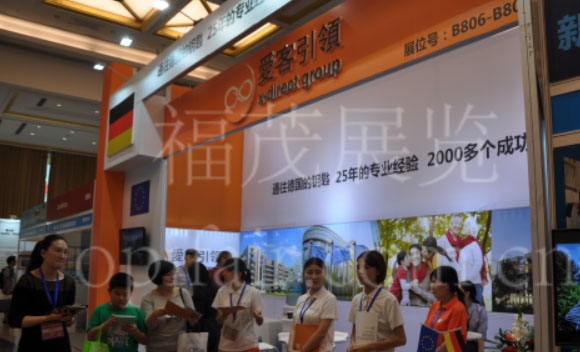
At trade shows, exhibitors may come from different countries and organizations, including developers, immigration lawyers, government promotion agencies, market intermediaries, and service providers. On the surface, everyone may seem knowledgeable, but the level of risk, legal basis, qualifications, feasibility, delivery capabilities, and regulatory status of their projects can vary drastically.Therefore, determining the authenticity of a project is not only about avoiding risk but also about providing a fundamental layer of protection for family wealth, immigration planning, and long-term international strategy. By mastering key judgment methods, even those without industry expertise can “understand clearly, ask professional questions, and see clearly” at trade shows.
What to look for to verify authenticity?
First, identify the organization.
Before judging a project, judge the people involved.
At trade shows, it’s crucial to understand the type of organization:
Official promotional agency?
Licensed lawyer or consultant?
Developer?
Investment platform?
Intermediary/agent?
Different roles offer varying levels of information depth and have different responsibilities. The more transparent the organization, the clearer its qualifications, and the stricter the oversight, the more reliable the project’s authenticity.
Verify documents and qualifications
Check licenses, permits, and registration information.
Any cross-border service or investment project should have corresponding business licenses, professional licenses, immigration service licenses, development qualifications, or legal permits. At trade shows, you can directly request to see:
Company registration documents
Professional licenses
Law firm or accounting firm number
Developer qualification documents. Truly legitimate organizations will provide these openly; the more they try to conceal information, the more wary you should be.
Confirm project compliance
Is there legal basis? Have there been any policy changes? A genuine project will clearly state:
The applicable local laws and regulations;
Policy stability;
Government registration or oversight;
The official agency responsible for the project process.
Be wary of projects that only claim “rare opportunity” or “policies may change soon,” but fail to mention legal provisions.
Beware of projects that omit risks
Don’t be swayed by promises of “high returns” or “low barriers to entry.” Over-packaging usually comes with risks.
Characteristics of a genuine project:
Returns are reasonable, not “unlimited”;
Transparent fee structure;
Clear terms and obligations;
Risks are publicly disclosed.
If a project only emphasizes returns and never discusses risks or limitations, this is usually a bad sign.
Documents and contracts are essential
Even the most abundant verbal information at a trade show is meaningless.
Always verify the existence of:
Contract text;
Service agreement;
Official version of government approvals or policy documents;
Fee list;
Processing procedure instructions. Reputable organizations will provide documents you can take home for further review, not just a bunch of verbal promises.
Are the information sources consistent?
Ask multiple sources and check multiple channels. Information from trade shows is only the first step. You should also:
Check official national information online; Compare with legal or third-party professional opinions; Compare the costs and conditions of similar projects. Information about genuine projects will be highly consistent across different channels; claims from fraudulent projects are often contradictory.
Observe their performance at the trade show
Assess their professionalism and their willingness to speak their mind.
During communication, you can observe:
Whether they answer key questions clearly; Whether they proactively highlight risks; Whether they are willing to explain processes and regulations; Whether they can provide clear next steps. More professional organizations are less likely to exaggerate; more insecure organizations tend to make empty promises.
Judging the authenticity of a project at a trade show doesn’t require a professional background, but rather a logical approach: “Look at the organization, their qualifications, the legal basis, the contract documents, the risk warnings, and the consistency of information.” The advantage of trade shows is that you can contact multiple organizations simultaneously for comparison and verification, making it easier to distinguish between genuine and fraudulent projects. Truly legitimate projects won’t rush into a deal or attract you with exaggerated returns; instead, they will give you ample time to review documents, understand the legal basis, and consult third-party opinions. Conversely, if a project can’t even provide the most basic documentation, engages in exaggerated advertising, downplays key issues, and imposes extreme time pressure, then no matter how tempting it sounds, caution is advised.
Remember: trade shows are not places for impulsive purchases, but rather opportunities to verify information, screen for risks, and find trustworthy institutions. By prioritizing authenticity, you can maintain clear judgment in complex overseas projects, avoid being misled, and make future immigration planning, asset allocation, and cross-border investments more stable, reliable, and based on evidence.