
-
Whatsapp
+1 689 248 1956 -
Email
joannewong0817@gmail.com

 23/01/2026
As studying abroad transforms from a “choice for a select few” to a “regular option in life planning,” avoiding blindly following trends and finding an academic environment truly suited to one’s needs has become a crucial challenge for every prospective international student. From cultural compatibility to professional resources, from job prospects to living costs, every decision can potentially impact one’s development trajectory for years to come. This article will provide a systematic analysis to help applicants build a scientific framework for choosing a university. Self-Portrait: Anchoring the Core Coordinates of Study Abroad Decisions The first step in choosing a country and university for studying abroad is to conduct an in-depth self-assessment. Academic applicants should prioritize evaluating the global rankings and faculty strength of their target major; for example, in the field of artificial intelligence, top universities like Carnegie Mellon and the University of Toronto are worth considering. Practice-oriented students should examine university-industry collaboration resources, such as the dual-system education model of German universities of applied sciences. Language proficiency is equally critical. Non-native English speakers need to weigh the cost of IELTS/TOEFL preparation against the language environment of the target country. While countries with less commonly spoken languages like French and German offer language courses, the adaptation period may be longer. Cultural compatibility is often overlooked but is of paramount importance. Introverted students may be better suited to the slow pace of life in Scandinavia, while social butterflies might find a sense of belonging in Australia’s multiculturalism. Climate preferences, dietary habits, and other details also influence quality of life; for example, Canada has long winters, and Singapore is hot and humid year-round. These factors must be considered in the decision-making model. Country Selection: Finding a Balance Between Globalization and Localization The study abroad market varies across countries. The United States…
 19/01/2026
For families planning to send their children abroad for education, the classic dilemma of “choosing a major versus choosing a school” is unavoidable. Some firmly believe that the “prestige of a top university” can open doors to the job market, while others emphasize that “professional competence” determines career advancement. These two seemingly contradictory views actually imply a priority—the answer is not an either-or choice, but rather requires a dynamic balance between “school” and “major” by considering personal goals, industry trends, and long-term planning. The “Hidden Value” of Top Universities: Resources, Networks, and Starting Point Advantages The core competitiveness of top universities lies in their “resource ecosystem.” Taking Ivy League schools in the United States as an example, resources such as top professors, cutting-edge laboratories, and multinational corporate collaborations are highly concentrated. Students can access industry leaders, participate in global research projects, and even directly obtain internships or job opportunities through alumni networks. For example, Harvard Business School students can gain priority access to referrals to top companies like Goldman Sachs and McKinsey through the “Career Services” platform; Cambridge University’s research-oriented programs allow students to directly participate in projects led by Nobel laureates, accumulating experience in publishing international papers. This “starting point advantage” is crucial for future job hunting or further studies—a prestigious university background often becomes the “first hurdle” in resume screening, especially in highly competitive fields such as finance, consulting, and technology, where companies prefer to select talent from top universities. Furthermore, the “soft power” of a prestigious university is equally undeniable. A multicultural environment, interdisciplinary curriculum design, and global exchange programs cultivate students’ critical thinking, cross-cultural communication skills, and global perspective—abilities that offer greater long-term competitiveness in a globalized job market. For example, the National University of Singapore’s “borderless classroom” model encourages students to take courses across colleges…
 17/01/2026
With more and more Chinese students studying abroad, the question of “How competitive is an overseas degree in the Chinese job market?” has become a top concern for parents, students, and even working professionals. Some believe that “an overseas degree is a golden ticket,” easily securing a job at a large company and a high salary; others worry that “it won’t be an advantage upon returning to China, and the degree won’t be valued.” The competitiveness of an overseas degree is influenced by various factors, including industry characteristics, job requirements, personal abilities and experience, corporate culture recognition, and the supply and demand of the job market. An overseas degree has both potential advantages and limitations. Does an overseas degree really improve one’s starting point in the job market? Many people believe that “having an overseas degree equals success in advancing one’s career,” which has some merit, but it’s not a universally accepted view. Overseas degrees often demonstrate language proficiency, cross-cultural adaptability, and independent learning ability—qualities that some domestic employers appreciate. Especially in foreign companies, international business departments of state-owned enterprises, cross-border e-commerce, consulting, and finance, an overseas degree can be a highlight on a resume, attracting more attention from interviewers during the screening process. However, an overseas degree does not automatically equate to a high salary or a high position. It’s more of a stepping stone than a deciding factor. Personal ability, practical experience, and professional relevance are also key considerations for companies. Which industries value overseas degrees more? The recognition of overseas degrees varies across industries. In highly internationalized industries, such as international trade, cross-border finance, consulting, foreign language education, and technology research and development, job seekers with overseas degrees are often more favored. Employers believe these positions require an international perspective, communication skills, and experience…
 16/01/2026
When considering studying abroad or having already received an acceptance letter from a foreign university, one of the most pressing concerns for many is: will the degree from this university be recognized in China? After all, studying abroad involves a long period of time and high costs. If the degree cannot be certified or is not recognized upon returning to China, it will not only affect employment, civil service exams, and residency applications, but may even hinder further studies. Online claims about “recognition lists” vary widely. Some say it must be from prestigious universities, others say it only recognizes certain countries, and still others provide various lists of schools whose authenticity is questionable, making things increasingly confusing. In reality, China does not have a fixed, unchanging list of recognized institutions that only applies to “a few schools.” Instead, there is a relatively clear and verifiable set of principles for degree recognition. Does China “recognize the school” or the “degree”? This is the most easily confused question. In fact, China emphasizes the degree certification result, rather than simply recognizing a few specific schools. As long as you attended a legitimate and accredited higher education institution abroad, completed your studies as required, and obtained the corresponding degree, it will, in principle, be recognized upon returning to China through the proper degree certification process. There is no absolute statement that “only a few universities are recognized by China.” Which countries’ university degrees are generally recognized? Generally speaking, degrees from countries with normal diplomatic relations with China and mature education systems are more likely to be recognized. These commonly include the UK, USA, Australia, Canada, most European countries, and some Asian countries and regions. The key is not whether the country is “popular” or not, but whether the school belongs to the country’s…
 16/01/2026
When it comes to studying abroad, many people’s first thought is still the traditionally popular destinations like the UK, US, Australia, and Canada. However, in recent years, the term “study abroad on a less popular path” has been increasingly mentioned, with some parents and students turning their attention to European countries with less commonly spoken languages, Northern Europe, Eastern Europe, Southeast Asia, and even Latin America. Some believe this is a cost-effective and less competitive option, while others worry about lower school reputation, language barriers, and insufficient recognition upon returning home. It’s important to note that studying abroad on a less popular path doesn’t mean studying anywhere, nor is it a compromise. It’s more like a path different from the mainstream, but one that can still be successful. Is studying abroad on a less popular path truly more cost-effective? This is a question many people are most concerned about. Compared to popular destinations, less popular study abroad destinations are indeed more affordable in terms of tuition and living costs. Some countries have lower tuition fees for public universities, sometimes only requiring a registration fee, significantly reducing the overall financial burden. However, cost-effectiveness isn’t just about being “cheap”; it also depends on the quality of learning, the strength of the program, and personal gains. If you choose a university with a strong program and a mature teaching system, the return on investment for studying abroad on a less popular path is often higher. Will a less prestigious university affect future career prospects? Many people worry that universities in less-known countries may not be as well-known as top-tier universities, and wonder if this will be a disadvantage upon returning home. In reality, employers value professional skills, practical experience, and overall qualities more than just a university’s reputation. If a university is…
 16/01/2026
“Following the crowd” in studying abroad means seeing others choose a particular country, school, or major and then applying to the same one. While it may seem convenient and trendy, the risks are obvious: the child may not be suited, the money spent may not meet expectations, and the degree and experience may not be relevant upon returning home. As parents or students, before making a decision, put aside concerns about “face” and “conformity” and ask yourself several practical questions: What does the child truly enjoy? What costs can the family afford? What future career path do they want? Avoiding following the crowd doesn’t mean rejecting others’ experiences, but rather turning their successes or failures into valuable information for your own decision-making. Clarify the Child’s Interests and Abilities Many decisions based on following the crowd stem from the mindset of “I’ll do what others do.” Stop and ask two questions: What does the child enjoy learning? What kind of educational model suits the child’s personality, language skills, and learning habits? Interest determines motivation, and ability determines feasibility. Make the goals specific—is it for academic advancement, career preparation, language improvement, or life experience? Different goals correspond to different countries, different types of schools, and different programs. Assessing the Match Between School and Program While prestigious universities are attractive, they are not the only criterion. Consider the program’s strength, curriculum, teaching methods, faculty resources, and practical opportunities. For example, a school might rank highly in business, but if your child wants to study art or engineering, reputation isn’t the most crucial factor. Also consider the language of instruction, program length, internship and employment support, and post-graduation recognition. Matching the “school-program-student” relationship is more effective than simply looking at rankings or “popular countries.” How to get real information The source of…
 16/01/2026
In recent years, studying abroad has become an important investment for many families’ future. However, with the development of the global education market and the continuous rise in the cost of living, the question of “Will the cost of studying abroad continue to rise?” has become a major concern for parents and students. Some worry that future costs will become increasingly high, placing a heavy burden on their families; others are considering whether there are ways to control costs in advance and make studying abroad more affordable. In fact, whether the cost of studying abroad will rise, and the speed and extent of that rise, are affected by many factors, such as exchange rate fluctuations, inflationary pressures, the popularity of studying abroad, and policy adjustments, some of which are unpredictable. However, through reasonable planning and strategic arrangements, it is possible to control overall expenditures to a large extent, ensuring that studying abroad is “spent wisely and worthwhile.” Will the cost of studying abroad really continue to rise? Many families worry that “the cost of studying abroad will rise like housing prices indefinitely.” In fact, while the trend of studying abroad costs is upward, it is not unidirectional and unlimited. University tuition and accommodation fees are affected by school policies, government regulations, and market competition; living expenses are closely related to local price levels and exchange rates. To attract international students, some countries may implement more flexible tuition policies or provide support measures, which can mitigate the rate of cost increases. Therefore, rather than panicking, it’s more important to focus on the cost trends of your target country and specific schools, rather than simply assuming “it will definitely be more expensive in the future.” Which costs are most likely to rise? Which are controllable? Many study abroad expenses can be…
 16/01/2026
As studying abroad becomes an increasingly popular option for families planning their children’s future, explicit expenses such as tuition and accommodation fees are already included in the budget. However, what truly catches many families off guard are often the “hidden costs” concealed in visa applications, daily life details, and even cultural adaptation. From flight rescheduling fees to international medical insurance, from textbook printing costs to cross-cultural social expenses, these seemingly disparate expenses can accumulate and exceed the total cost of studying abroad by more than 30%. Unveiling the truth behind these hidden costs is crucial for making study abroad plans more rational and avoiding “economic overspending” that could negatively impact academic performance and quality of life. Visa and Administrative Costs: A Chain of Expenses from Document Notarization to Immigration Bureau “Express Fees” Applying for a student visa is the first step in preparing for studying abroad, but the “hidden costs” of this step are often underestimated. Besides the visa application fee itself, many countries require document notarization (such as birth certificates and academic certificates), with a single notarization costing between 200-500 yuan. Translation doubles the cost. Some countries also require medical examination reports, and the fees at designated institutions are generally higher than at ordinary hospitals, plus additional vaccination fees. Even more problematic is the “expedited service”—if visa processing is needed due to insufficient materials or time constraints, the cost can range from several thousand to tens of thousands of yuan. One student, for example, failed to prepare a criminal record check in advance and only applied for expedited processing close to the start of the semester, ultimately paying 8,000 yuan in “express lane fees,” far exceeding their budget. Fluctuations in Living Costs: From “Supermarket Price Tags” to “Exchange Rate Traps” The cost of living varies greatly between countries where…
 15/01/2026
Studying abroad is a significant turning point in life. Choosing a country not only affects academic development but also future career paths and life experiences. However, faced with traditionally popular destinations like the US, UK, Australia, and Canada, as well as emerging destinations like Singapore, the Netherlands, and Germany, how does one choose the most suitable country? This involves not only academic development but also multiple factors such as cultural adaptation, career planning, and cost of living. From the match between personal interests and majors, the quality and resources of education, cultural inclusiveness and language environment, to the cost of studying abroad and employment prospects, each dimension needs to be comprehensively considered to find a study destination that truly meets one’s needs. The match between personal interests and majors is the primary basis for choosing a study abroad destination. Different countries have their own strengths in different academic fields: the US is known for its technological innovation and interdisciplinary research, with world-leading programs in computer science, artificial intelligence, and business management; the UK has a deep academic tradition, with strong programs in humanities and social sciences such as literature, history, and law; Germany is world-renowned for its engineering and manufacturing, with mechanical engineering and automotive design attracting a large number of STEM students; and Australia excels in environmental science, medicine, and education. If you’re interested in artistic creation, fashion design in Italy or fine arts in France might be more suitable; if you plan to enter the finance industry, hotel management in Switzerland or fintech courses in Singapore are more targeted. Choosing a country that highly matches your interests and career goals can stimulate learning motivation and lay a foundation for future career development. Educational quality and resources are core considerations. A high-quality education system is not only reflected in…
 14/01/2026
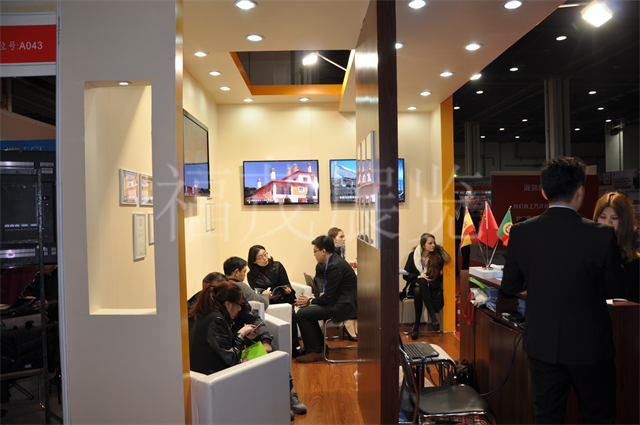
Every year, many students and parents who want to study abroad pay attention to various study abroad expos. When it comes to study abroad expos, many people might picture a bustling exhibition: universities and educational institutions from various countries displaying promotional materials, students consulting with information, and listening to lectures. However, the information that study abroad expos can provide goes far beyond the surface. It’s not just a window to understand institutions, but also an important place to obtain the latest policies, visa information, scholarship opportunities, and even future career planning. What countries and schools can I learn about? Many people ask, “What schools and countries can I learn about at a study abroad expo?” In fact, most expos invite universities, colleges, and language training institutions from all over the world to participate. You can directly communicate with school representatives face-to-face, asking about curriculum, tuition fees, admission requirements, academic environment, and other questions. This face-to-face communication is more intuitive than simply searching for information online and is more likely to provide personalized advice. Can I get study abroad policies and visa information on-site? Another common question is, “Policies change quickly; can I get the latest information at the expo?” The answer is yes. Many embassies and official study abroad agencies set up information booths at the expo, providing the latest visa application procedures, policy changes, and language test requirements. This helps applicants avoid delays due to outdated information. How many scholarships and financial aid opportunities are available? Many parents and students are concerned: “Study abroad is expensive; can I learn about scholarships or grants on-site?” At the expo, schools usually announce various scholarship policies, including application requirements, amounts, and deadlines. You can also get advice on preparing scholarship materials and enhancing your competitiveness, which is more comprehensive and…
 12/01/2026
High school graduation is a significant turning point in life. For many students, studying abroad is both an opportunity to broaden their horizons and a strategic investment in their future career development. However, with hundreds of countries and thousands of universities to choose from, how to plan a path that aligns with personal interests and maximizes the value of studying abroad has become a shared concern for students and parents. From language preparation to university selection, from application strategies to resource integration, every step requires precise planning to ensure a smoother and more successful study abroad journey. Language proficiency is a fundamental requirement for studying abroad, but the methods for improvement must be tailored to the individual. For English-speaking countries, IELTS or TOEFL scores are core application requirements, but simply “scoring high” is not the only goal. Many students find themselves stuck in a cycle of repeated testing with stagnant scores, stemming from a lack of real-world language experience. It is recommended to start in high school by participating in international exchange programs, joining English debate clubs, or watching English films and television shows without subtitles to cultivate comprehensive listening, speaking, reading, and writing skills. For non-English-speaking countries, such as Germany, France, or Japan, learning the target language in advance not only enhances application competitiveness but also clears obstacles for future studies and life. For example, German universities generally require a German language proficiency level of C1, while some prestigious Japanese universities have specific requirements for N1 scores. The adequacy of language preparation directly impacts admission results. The choice of universities and majors needs to balance interests and career orientation. Some students blindly pursue the “prestige of prestigious universities” while neglecting the suitability of their chosen major, leading to insufficient motivation after enrollment or employment difficulties after graduation. The correct…
 09/01/2026
In the wave of globalization, studying abroad has become an important way for many students to broaden their horizons and enhance their competitiveness. However, studying abroad is not a simple process; from initial preparation to successful enrollment, a series of essential conditions must be met. These conditions not only relate to academic ability but also involve multiple aspects such as language, finances, and psychology, and are crucial to embarking on an overseas study journey. Language proficiency is the primary hurdle for studying abroad. In English-speaking countries, TOEFL and IELTS scores are hard requirements for university applications. For example, undergraduate applications in the UK typically require an IELTS score of 6.0 or higher, while postgraduate applications require 6.5 or higher, with some popular programs even requiring 7.0. For non-English-speaking countries, such as France, Germany, and Japan, language tests such as DELF/DALF, TestDaF, and JLPT are required. Language is not only a tool for academic communication but also a bridge to integrating into local life. Good language skills help students quickly adapt to classroom discussions, essay writing, and even daily shopping and social situations, reducing anxiety caused by communication barriers. Academic background is a core component of university applications. Undergraduate applications require a high school diploma and transcripts, while graduate applications require a bachelor’s degree, diploma, and academic transcripts. Most universities have specific GPA requirements; undergraduate applicants typically need a GPA of 3.0 or higher, while graduate applicants need 3.5 or higher. Furthermore, standardized test scores such as SAT, ACT, GRE, and GMAT are also important factors in assessing academic potential. Some programs also require a portfolio, research plan, or relevant work experience; for example, art programs require a portfolio, and business programs may prefer applicants with internship experience. A strong academic background directly determines whether you can enter your ideal university…
 07/01/2026
Choosing a country to study abroad is a crucial decision in life planning, affecting not only the quality of academic learning but also the direction of future career development and the overall well-being of life. However, faced with dozens of popular study destinations worldwide, many students fall into the trap of “following the crowd” or “blindly rejecting” options due to fragmented information. In reality, a suitable study abroad destination requires a comprehensive evaluation considering academic suitability, career prospects, cultural inclusivity, cost of living, and personal characteristics. Only by finding a country that highly aligns with one’s needs can the value of studying abroad be maximized. Academic suitability is the primary criterion for choosing a study abroad destination. The education systems and disciplinary strengths of different countries vary significantly: the United States is known for its “general education + professional freedom,” suitable for undergraduates who wish to explore multiple fields and cultivate interdisciplinary abilities; the UK has a compact academic system (three years for undergraduates and one year for master’s students), emphasizing academic depth and critical thinking, suitable for students with clear goals who seek efficient advanced studies; Germany’s engineering education is globally leading, and its tuition-free public universities attract a large number of students in engineering and natural sciences; Australia is known for its “practice-oriented” approach, with business, education, and nursing programs offering numerous internship opportunities, suitable for applicants who value career connections. Blindly pursuing rankings while neglecting professional relevance may lead to insufficient motivation or a deviation from a career path. Career prospects need to be deeply integrated with the industrial landscape of the country where you study. When choosing a country to study in, you should pay attention to the activity level of the target industry’s job market and policy support in that country. For example, Canada’s computer…
 07/01/2026
In recent years, South Korea has gradually become one of the most popular study abroad destinations in Asia. Its proximity, cultural similarities, relatively controllable cost of living, and strong industries such as film, music, design, and beauty have attracted an increasing number of students seeking higher education. After deciding on their target universities and majors, many students face the first practical question: how do I choose a visa? What materials are needed? Is the process complicated? Actually, whether you plan to pursue undergraduate or graduate studies, or even just take a language course as a transition, South Korea offers corresponding visa categories. Why is understanding South Korean visa requirements important? A visa is not only a “passport” to enter South Korea, but it also directly affects whether you can legally study, how long you can stay, whether you can renew your visa, and whether you can successfully change your visa in the future. If you are unclear about the visa requirements beforehand, it is easy to encounter problems such as insufficient materials, choosing the wrong type, or misjudging the timing during the application process. Therefore, understanding the visa policy before formally submitting your school application or paying tuition fees is a very necessary preparatory step. D2 Visa The D2 visa is the most common and standard student visa type in South Korea, primarily applicable to undergraduate, master’s, and doctoral degree programs. Target Audience Students planning to pursue a degree at a South Korean university, whether undergraduate freshmen or graduate students, typically need to apply for a D2 visa. Basic Application RequirementsApplying for a D2 visa usually requires providing an official letter of acceptance from a South Korean university and sufficient proof of funds to demonstrate the ability to support oneself and study in South Korea. Additionally, depending…
 07/01/2026
In recent years, Canada has become an increasingly popular study abroad destination due to its safe social environment, highquality education system, and diverse and inclusive culture. Whether you plan to study language courses, pursue undergraduate or master’s degrees, or hope to gain work experience overseas after graduation, Canada offers relatively clear and stable career paths. However, many students preparing to study abroad are initially confused by the “visa types”: Which visa should I apply for? Are the visa requirements the same for different study durations? Can I legally stay and work after graduation? Why is it important to choose the right visa type? In Canada, a visa not only determines whether you can enter the country smoothly, but also directly affects whether you can legally study, work, and apply for a work visa after graduation. If you choose the wrong visa type, even if you have received a school acceptance letter, you may encounter problems during entry or study. Therefore, clarifying “which type of visa I need to apply for” before formally preparing your application materials is a crucial step in the entire study abroad planning process. Study Permit A study permit is the most common type of student visa in Canada, applicable to courses lasting more than 6 months, including language programs, undergraduate, master’s, doctoral programs, and most diploma programs. Who Needs a Study Permit? If your course duration exceeds 6 months, you will generally need a study permit. At the time of application, you must have already received an offer of admission from a Designated Institution of Higher Learning (DLI). Core Application Documents These typically include an offer of admission from the institution, proof of sufficient funds, a study plan, and a police clearance certificate. Note that if your school is located in Quebec, you…
 07/01/2026
Australia attracts countless students with its high-quality educational resources, diverse cultural environment, and pleasant living atmosphere. The application process for a student visa is not only a dialogue with the rules but also a test of attention to detail. Specify visa type Australia’s study visas are primarily categorized into two types: student visas and guardian visas. For most students, the student visa is the preferred option, as it permits full-time study in Australia and includes work authorization during the course of study. When selecting a visa type, applicants should carefully evaluate their personal circumstances (such as age, duration of study, and whether family accompaniment is required) to avoid errors that could lead to application rejection. application requirement Applying for a student visa requires meeting several key criteria: First, you must receive an acceptance letter from an Australian educational institution; second, you need to demonstrate sufficient funds to cover tuition, living expenses, and travel costs during your studies; finally, you must pass a medical examination and purchase overseas student health insurance. While these requirements may seem straightforward, each one demands careful preparation and is essential. Prepare application materials The material list serves as the “instruction manual” for visa applications and must be verified item by item. In addition to mandatory documents such as admission letters, financial proofs, and health insurance, applicants must also submit passports, photographs, and English proficiency certificates (e.g., IELTS scores). Notably, all non-English materials must be accompanied by certified translations, while personal statements should clearly articulate the purpose of studying abroad and plans for returning to China, to avoid confusion that could affect the visa officer’s decision. Familiar with the application process Currently, Australian visa applications have been fully digitized, with online submission through the Immigrant Account being the most convenient method. The process generally…