
-
Whatsapp
+1 689 248 1956 -
Email
joannewong0817@gmail.com

 13/12/2025
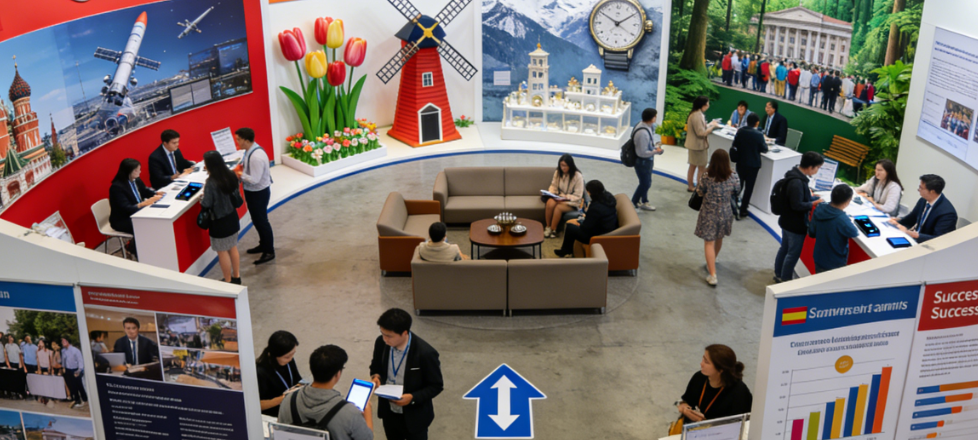
During the study abroad planning process, questions like “Can I work?”, “How long can I work?”, and “Will it affect my visa?” are common concerns for almost all international students and their parents. For many students, part-time work not only provides financial supplementation but is also seen as an important way to improve language skills, integrate into local society, and gain practical experience. However, this demand is accompanied by strict and complex regulations on part-time work for student visa holders in various countries. A lack of understanding of these policies can, at best, affect academic progress, and at worst, cross visa compliance lines, leading to irreversible consequences. In reality, many international students’ understanding of part-time work policies often comes from online experience posts, word-of-mouth recommendations from senior students, or even vague statements from agencies. While this information has reference value, it rarely covers policy details and the latest changes, and it cannot be guaranteed to apply to all countries and visa types. Given the significant differences in visa systems, labor laws, and regulatory environments, applying “others’ experiences” to one’s own situation carries considerable risk. This is why more and more families are realizing that whether international students can work part-time is not a simple “yes or no” question, but rather a comprehensive judgment requiring a systematic understanding of visa rules, academic requirements, and compliance boundaries. So, can a student visa actually allow part-time work? And can attending professional expos truly help international students gain a clearer understanding of the policies of different countries? The Relationship Between Student Visas and Part-Time Work A Student Visa is Not a “Work Visa” Regardless of the country, the primary purpose of a student visa is always study. Part-time work is usually considered an additional permission, not a core right of a student…
 13/12/2025
In study abroad planning, schools and majors often receive the most attention, while housing is frequently relegated to a “wait and see” position. However, for international students, housing is not simply “where to live,” but a crucial factor directly impacting learning efficiency, quality of life, safety, and even psychological adaptation. Housing systems, rental rules, living costs, and cultural differences vary significantly across countries. A lack of systematic understanding can increase financial burdens and, in severe cases, affect academic performance and visa compliance. Meanwhile, fragmented information is a major challenge for international students when choosing housing. The authenticity of listings on online platforms is difficult to verify, the quality of agents varies greatly, and legal and tax regulations are complex. Many families only realize the hidden risks of insufficient preparation after arriving overseas. Therefore, more and more students and parents are beginning to realize that housing decisions are an integral part of study abroad planning, not an additional issue. The Core of Housing Choices for International Students Housing Types Common housing types for international students include on-campus dormitories, off-campus shared accommodation, apartments, and homestays. There is no absolute superiority or inferiority in housing choices based on different stages, personalities, or national systems; the key lies in the suitability. Students newly arrived overseas with limited language and environmental adaptation skills are often better suited to well-managed and well-established on-campus dormitories; while students with a certain level of independent living ability may value the space and freedom of off-campus housing. Commuting Issues The distance of housing from the university not only affects commuting time but also social circles and lifestyle. Some students choose housing far from campus to save on rent, neglecting transportation costs, time consumption, and safety issues. A reasonable housing choice should comprehensively consider the convenience of studying, living…
 11/12/2025
In the wave of globalized education, studying abroad has become an important way for more and more students to improve their academic level and broaden their international horizons. However, language, as a bridge for cross-cultural communication, remains a core hurdle that cannot be avoided in the application process. Whether it’s IELTS or TOEFL for English-speaking countries, or specialized tests for countries with less commonly taught languages, language scores not only directly determine whether an applicant can gain admission, but also affect their academic adaptation and integration into life during their studies. A deep understanding of the language requirements for studying abroad in different countries and the development of targeted preparation strategies are the first hurdles that every applicant must overcome. Language requirements in English-speaking countries are centered on standardized tests, but the standards vary significantly between different countries, institutions, and programs. British universities generally accept IELTS scores. Undergraduate courses typically require an overall score of 6.0-6.5, while postgraduate courses require 6.5-7.5. Some top universities, such as Oxford and Cambridge, even require an IELTS score of 7.5 or higher with no individual section score below 7.0 for certain programs. US universities tend to favor TOEFL scores. Undergraduate applications generally require a score of 80-100, while graduate applications typically require 90-110. Some top universities, such as Harvard and Stanford, may require a score of 105 or higher for popular programs. It’s worth noting that some US universities also accept scores from emerging language tests like Duolingo, providing applicants with more options. Australia and Canada have similar language requirements to the UK, but some universities allow students to first enroll in language courses (such as ELICOS in Australia and ESL in Canada). After passing an internal test, students can enter their main courses, providing a buffer period for students with weaker language skills….
 10/12/2025
In the context of increasingly fierce global competition in education and employment, STEM (Science, Technology, Engineering, and Mathematics) has become a key term for studying abroad and career development. Whether it’s artificial intelligence, quantum technology, sustainable energy, big data, medical breakthroughs, or engineering innovation, almost all the core forces driving the world forward come from STEM fields. These majors are not only a key area of investment for universities but also a strategic area that governments around the world are vying to attract talent. Therefore, more and more students are prioritizing STEM when planning their future. The advantages of STEM are not only reflected in the academics themselves but also in the corresponding industry ecosystem: strong global demand, rapid technological updates, strong corporate demand for talent, wide range of career choices, high salaries, and great opportunities for international development. This makes STEM not only a “hard skill” for academic pursuits but also a “safety net” for employment. For students who want to acquire “globally applicable skills,” STEM is undoubtedly the most advantageous, has the greatest upward mobility, and offers the most international opportunities. Wider Employment Opportunities STEM talent is in short supply globally. Technology companies, engineering firms, R&D centers, biomedical institutions, and data analytics teams are all actively seeking individuals with relevant backgrounds. This is primarily reflected in: consistently high demand exceeding supply; diverse career options across multiple fields; and companies’ willingness to offer higher starting salaries for STEM graduates. Regardless of economic cycles, students with technical skills rarely worry about job scarcity. Higher Salaries Multiple global career reports show that average salaries in STEM fields are significantly higher than the general average, especially for technical, engineering, and data-related positions. Reasons include: high technical barriers to entry; companies’ strong reliance on specialized talent; and job content…
 10/12/2025
With the flow of global educational resources, more and more students are focusing on which majors are more competitive when studied abroad. Choosing an overseas institution is not just about a different learning environment; more importantly, it’s about access to a more mature teaching system, more research resources, broader industry recruitment opportunities, and a more international career development platform. Certain majors, due to mature industries, leading technologies, or well-developed education systems, do indeed have a far greater chance of success overseas than domestically. In today’s more transparent information environment, students and parents are gradually realizing that choosing a major is more decisive for the future than university rankings. Therefore, when discussing studying abroad, instead of blindly pursuing popular countries or prestigious university titles, it’s better to focus on “where this major is strongest” and “where the employment prospects after graduation are broader.” Every country has its own strengths, and every industry has its own ecosystem. Understanding these differences allows for more precise investment in studying abroad and a clearer return on investment. The following will focus on several majors with significant international advantages to help you quickly grasp which majors are more worthwhile to complete your studies abroad. Science and Engineering Science and engineering majors have always been a “core strength” for foreign universities. Whether it’s computer science, artificial intelligence, and software engineering in the US, mechanical engineering and precision engineering in Germany, or electronic engineering and materials science in Japan, all possess mature industrial chains and technological systems. Why are they stronger abroad? Higher R&D investment and a more comprehensive research environment; denser connections with corporate resources and more internship opportunities; faster technological updates and curriculum closely aligned with industry needs. For students aiming for a career in the technology industry, overseas education often provides more advanced…
 09/12/2025
With the increasing openness of global educational resources, more and more families are regarding studying abroad as a crucial step in their children’s future development. From improving language skills to broadening international perspectives and striving for a more competitive academic background, studying abroad is no longer a choice for a select few, but a life plan that ordinary families are seriously considering. However, when actually starting to research study abroad options, people are often surrounded by various terms: direct application, combined bachelor’s and master’s degree programs, international courses, foundation programs, language classes, exchange programs, visiting scholars… Each route sounds good, yet it’s difficult to determine which one is most suitable. In fact, a more complex study abroad route isn’t necessarily better; a better fit is more important. Different countries, different stages, and different majors all have the most suitable planning methods; and different students’ language proficiency, learning ability, financial situation, and future goals will also influence their choices. Direct Application This is the most common and applicable path. Direct application refers to students completing their studies in their home country and then applying directly to overseas universities for undergraduate or graduate programs using their transcripts, language scores, letters of recommendation, and application essays. Suitable for: Students with strong language skills, stable academic performance, and a clear academic focus.Advantages: Clear and transparent application process; Controllable timeline; Direct entry into main courses, saving transition time; High degree recognition.Direct application is supported by most countries and is currently the mainstream mechanism for university admissions worldwide. Foundation Program Foundation programs are often a buffer for students who are not yet ready in terms of language skills or academic background. Foundation programs typically last 6-12 months, helping students adapt to the local language, teaching methods, and academic requirements. Upon successful completion,…
 09/12/2025
More and more international students, after completing their studies abroad, seriously consider a common question: Can I smoothly transition from international student status to permanent immigration status? Behind this idea are very practical considerations—is career development more promising? Is the status more stable? Can it allow for longer-term life plans? This is why the topic of “international student to immigrant” has become a frequently asked question at various study abroad planning events, immigration fairs, and education consultations. From a macro perspective, many countries do indeed regard international students as the most ideal potential immigrant group. The reason is straightforward: you have already received education locally, adapted to the language, understood the culture, and are willing to work, and the overall integration cost is far lower than “direct immigration.” Therefore, many countries have specifically designed policies such as “post-graduation work visas,” “fast-track programs for international students,” and “points for local qualifications” specifically for international students, aiming to retain those educated locally. However, whether one can successfully transition to immigration status is not a simple “yes or no.” Different countries have different rules regarding post-graduation work visas, job requirements, salary thresholds, professional categories, and years of local experience. A student’s major, language skills, age, and internship experience directly impact their eligibility for changing their immigration status. Why are international students more likely to stay? Many countries consider international students an “ideal immigration pool.” Local qualifications signify language integration, cultural adaptation, and professional training, leading to a higher job success rate. For governments, this is more reliable and less stressful than directly selecting unfamiliar applicants from overseas. Furthermore, international students are generally younger and have a stronger desire to work, which often carries higher weight in immigration point systems. Local study experience also provides additional points; for example, Canada emphasizes “local…
 08/12/2025
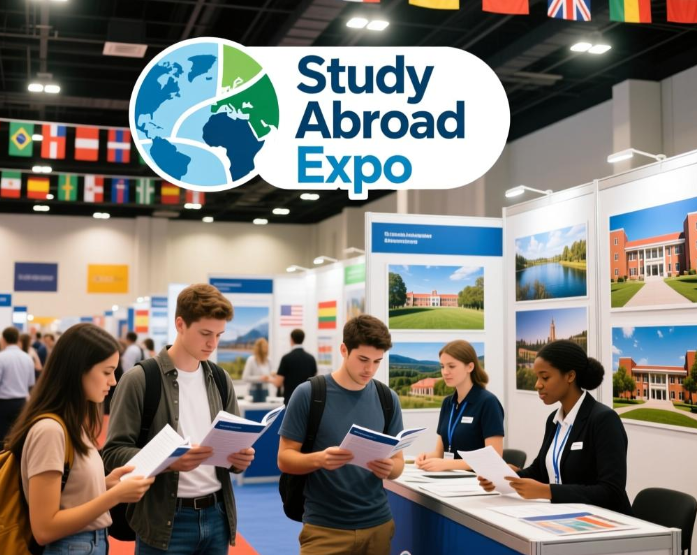
After the National College Entrance Examination (Gaokao), many students and parents begin to look overseas, seeking broader development opportunities and more diverse educational choices. However, facing the complex application process and information gaps, efficient planning becomes crucial. At this time, a study abroad expo that gathers high-quality educational resources from around the world acts as a bridge, providing students with a fast track to world-renowned universities and helping them accurately match suitable study abroad paths. The core value of the study abroad expo lies in its “one-stop” information integration. At the expo, hundreds of institutions from popular study abroad destinations such as the United States, the United Kingdom, Canada, and Australia gather, covering diverse types including comprehensive universities, art schools, and polytechnics. For example, admissions officers from prestigious universities such as the University of Manchester in the UK and the University of Sydney in Australia are present to explain the latest admission policies and program features in detail; representatives from American community colleges showcase the “2+2 transfer” model, providing more cost-effective study options for families with limited budgets. In addition, the exhibition features a special “Scholarship Zone,” where some universities offer exclusive scholarship opportunities to participating students. For example, the “1+3 Undergraduate Direct Entry Program” in partnership with Arizona State University, offered by Maple Leaf Education Group, simplifies the application process and provides tuition fee reductions for outstanding students. Addressing the urgency of studying abroad after the Gaokao (National College Entrance Examination), the expo has outlined five fast-track pathways to meet the needs of different students. First, direct application to undergraduate programs based on Gaokao scores. Currently, some universities in the UK, Australia, and Canada accept direct applications based on Gaokao scores. For example, the University of Sydney’s business program requires a Gaokao score of 75%-80%, and the University of…
 05/12/2025
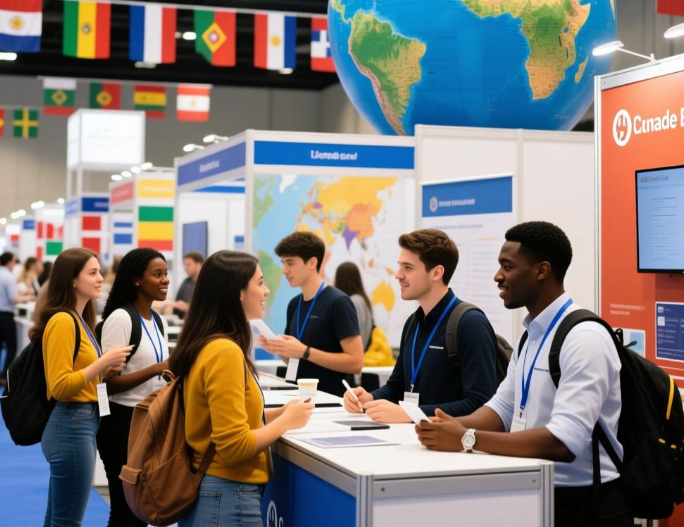
In an era of global educational interconnectivity, study abroad expos have become important benchmarks for understanding the value of international education and planning one’s future. In 2025, study abroad expos held in Shanghai, Wuhu, and other cities attracted global attention. From in-depth dialogues among top universities to the rise of emerging study abroad destinations, from a focus on STEM fields to exploration of a “salary + immigration” dual-track model, these expos not only showcased the global flow of educational resources but also revealed the deeper logic of the return on investment in studying abroad—it is both a numerical game on the economic scale and a strategic layout for personal growth and career development. Economic return is the most direct quantitative indicator of investment in studying abroad, but the choice of region and major directly affects the return curve. Taking the UK, US, and Australia as examples, the total cost of a one-year master’s degree in the UK is approximately £40,000-£60,000; if one works in the London financial industry, the cost can be recouped within three years. The total tuition for a two-year computer science master’s degree at Stanford University in the US is approximately RMB 800,000; a job as a programmer in Silicon Valley can cover the cost in 3-5 years. The total cost of a two-year nursing master’s degree in Australia is AUD 80,000-120,000; graduates can earn a profit within 2-3 years. However, the returns are significantly divergent: 31% of higher education programs in the US have negative returns, with seven bachelor’s degree programs suffering from investment imbalances due to high tuition fees and a saturated job market; while STEM fields such as engineering, computer science, and nursing have an average return exceeding $500,000, and professional degrees in medicine and law also offer excellent value. This divergence is vividly…
 03/12/2025
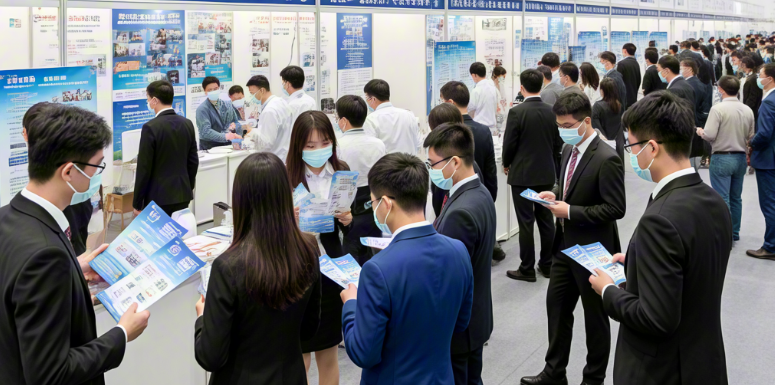
Driven by the wave of globalized education, studying abroad has become an important choice for many students to enhance their competitiveness and broaden their horizons. However, the economic situations of different families vary significantly, making it a focus for many students and parents to develop a scientific and reasonable study abroad plan based on their budget. Study Abroad Expos, as comprehensive platforms that gather global educational resources and financial services, not only offer a wide selection of institutions but also help families with different budgets find the most suitable study abroad path through professional consultation and case sharing, ensuring that educational dreams are not thwarted by financial constraints. For families with limited budgets, study abroad programs in Southeast Asia and Eastern Europe are often a cost-effective option. Taking Malaysia as an example, tuition fees at public universities are approximately 20,000-40,000 RMB per year, and the cost of living is similar to that of a second-tier city in China, with overall annual expenses kept below 80,000 RMB. These institutions offer engineering and business programs with high international recognition, and some courses are taught in English, eliminating the need for additional language training fees. At study abroad expos, many Southeast Asian institutions offer “scholarship + part-time job” packages, such as scholarships that reduce tuition fees by 50% for outstanding students, while allowing students to legally work 20 hours per week, further alleviating financial pressure. In addition, Eastern European countries such as Poland and Hungary attract international students with their lower tuition fees and the advantage of EU degrees, with total annual costs around 100,000-120,000 RMB, suitable for students with tight budgets who wish to receive a European education. Families with moderate budgets can typically focus on Japan, South Korea, certain regions of Australia, or smaller cities in Canada. Tuition fees at national…
 02/12/2025
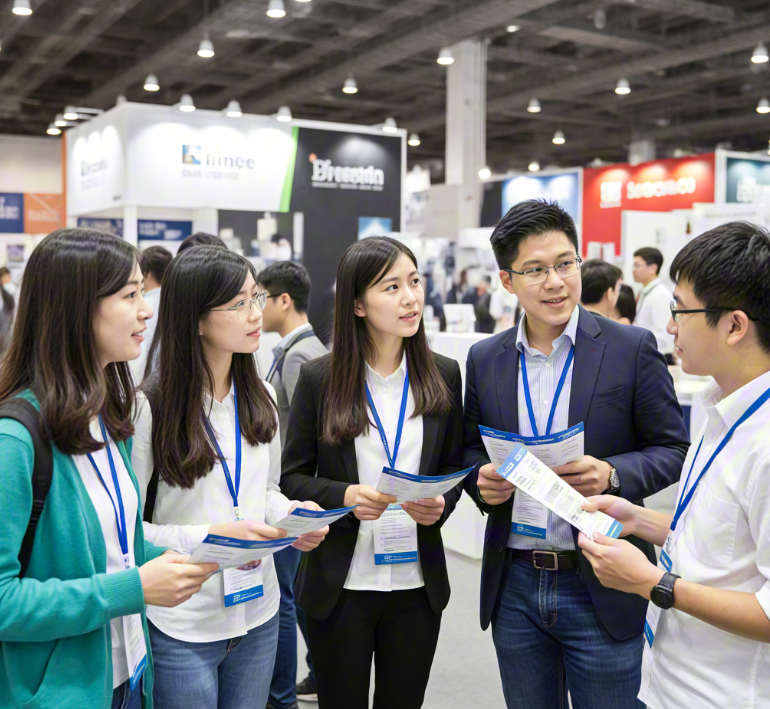
Driven by globalization, studying abroad has become a crucial pathway for many students to broaden their horizons and enhance their competitiveness. However, the high cost of studying abroad often deters many families. In this context, student loans and sound financial planning become key to overcoming financial difficulties. These core issues are frequently the focus at various study abroad expos, offering attendees one-stop solutions. Student loans, as a dedicated educational funding tool, offer families flexible financial supplementation options. For example, institutions like MPOWER offer unsecured student loan products covering undergraduate and graduate studies, with loan amounts dynamically adjusted based on tuition shortfalls, reaching up to $100,000. This loan model breaks through the limitations of traditional mortgage loans, making it particularly suitable for families with insufficient assets but strong repayment capabilities. It’s important to note that loan applications must fully disclose the source of funds, including personal savings, scholarships, and sponsorships, to ensure accurate assessment of actual needs and prevent over-borrowing. For instance, if a student has already received partial scholarships or family savings, the lending institution will reduce the loan amount accordingly, ensuring precise and efficient use of funds. The depth and breadth of financial planning directly impact the sustainability of the study abroad experience. At study abroad expos, professional consultants often emphasize the principle of “budgeting in advance”: using the “Cost of Attendance” tool on the school’s official website, students can calculate fixed expenses such as tuition, accommodation, and insurance in advance, and create a dynamic budget based on the cost of living data of the target country. For example, in the United States, the average annual tuition for private universities is approximately $30,000 to $60,000, while living expenses can range from $15,000 to $30,000 per year depending on the region. A reasonable plan requires reserving 10%-15% as emergency funds…
 01/12/2025
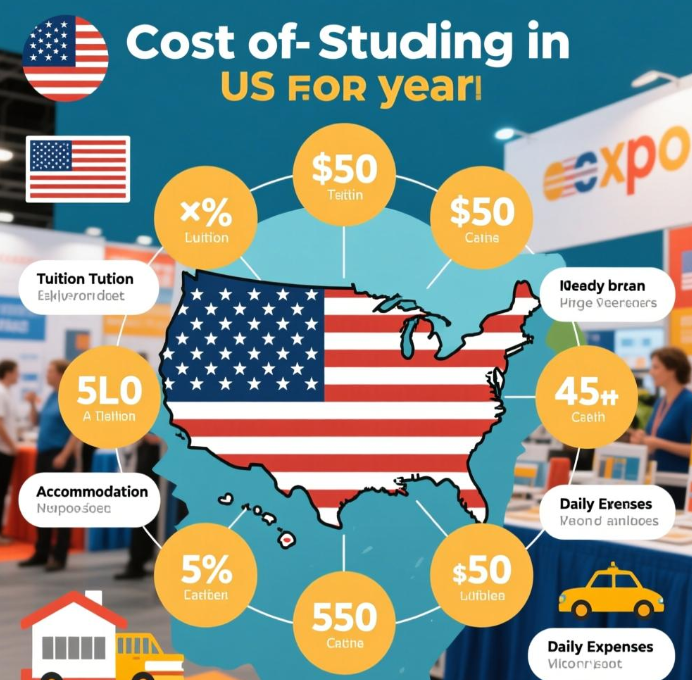
In the global education landscape, the United States continues to attract students from around the world with its top-tier academic resources and multicultural environment. However, tuition fees, as a key decision-making factor, remain a focal point for families. In 2025, the total cost of studying in the US for one year is significantly affected by the level of education, type of school, major, and location, generally ranging from 300,000 to 1,000,000 RMB. Behind this figure lies the dynamic combination of two core expenditures: tuition and living expenses. Study abroad expos provide students with a window into precisely breaking down the cost structure. Tuition fees are the core variable in study abroad costs, with differences stemming from the scarcity of educational resources and professional barriers. Public universities, due to government subsidies, have relatively affordable tuition, averaging around 150,000 to 300,000 RMB per year for undergraduate programs, but out-of-state students pay higher fees. Private universities, with their small class sizes and top-tier faculty, generally charge between 350,000 and 500,000 RMB per year, with some top institutions like Harvard and Stanford charging over 600,000 RMB per year for business or STEM programs. The choice of major also affects expenses. High-barrier fields like medicine and law have costs 30% to 50% higher than humanities majors due to the increased cost of laboratory equipment and faculty. Meanwhile, popular majors like computer science and finance are seeing rising tuition fees due to strong market demand. For example, the annual tuition for a Master’s program in Computer Science at UC Berkeley is approximately 280,000 RMB, while the MBA program at Harvard Business School costs as much as 560,000 RMB. Living expenses are deeply tied to geographical location. In megacities like New York and San Francisco, annual living expenses can reach 180,000 to 220,000 RMB, with accommodation accounting…
 01/12/2025
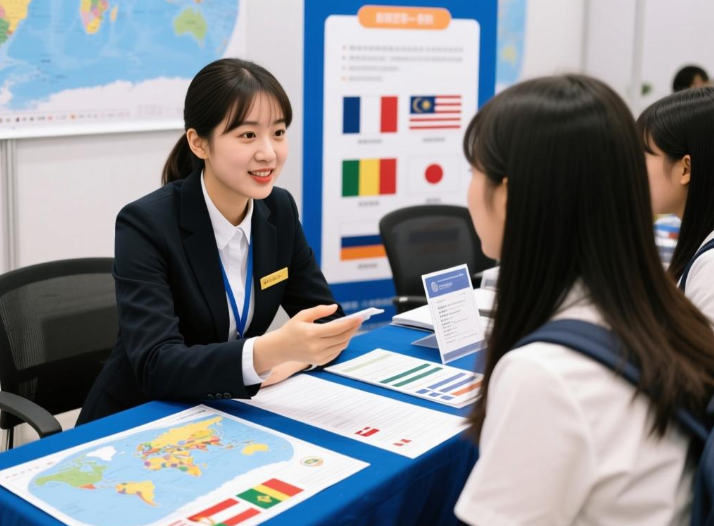
Driven by globalization, studying abroad has become a crucial pathway for many students to broaden their horizons and enhance their personal development. Study abroad fairs, serving as a bridge connecting students with overseas educational resources, not only gather admissions information from top universities worldwide but also provide a valuable opportunity to gain a deeper understanding of the advantages and disadvantages of studying abroad. For every student harboring a dream of studying abroad, a comprehensive understanding of the pros and cons is key to making an informed decision. The most direct benefit of studying abroad is undoubtedly broadening horizons and increasing knowledge. When students step into a foreign land, they will personally experience the collision and integration of different cultures, and encounter vastly different lifestyles and ways of thinking. This cross-cultural exchange not only allows students to gain a deeper understanding of the world but also cultivates their global perspective and inclusive mindset. At study abroad fairs, students can interact face-to-face with admissions officers from around the world, learn about the educational characteristics and cultural charm of different countries, and prepare thoroughly for their future study abroad experience. Improved language skills are also a significant advantage of studying abroad. In an all-English or all-foreign-language teaching environment, students are forced to step out of their comfort zones and use the foreign language for daily communication and academic discussions. This immersive language learning often yields twice the results with half the effort. Many students, after returning from studying abroad, not only have made rapid progress in their foreign language proficiency but also possess cross-cultural communication skills, laying a solid foundation for their future career development. At study abroad fairs, many overseas institutions offer language tests and consultation sessions to help students assess their language levels and develop reasonable improvement plans. However, studying abroad…
 29/11/2025
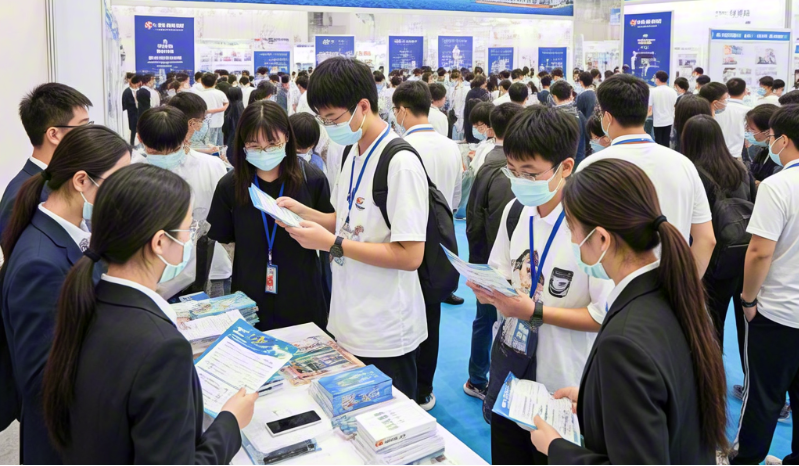
In today’s rapidly evolving global education landscape, studying in Asia, with its core advantages of geographical proximity, cultural affinity, and excellent cost-effectiveness, is becoming an increasingly popular choice for Chinese students seeking to broaden their international horizons and enhance their competitiveness. Compared to Europe and America, studying in Asia is not only closer to home in terms of time and space, reducing the challenges of cross-cultural adaptation, but also offers students a “low-cost, high-return” growth path through diverse educational systems, cutting-edge programs, and abundant practical opportunities. The recently held Asian Study Abroad Expo brought together top universities, educational institutions, and industry experts from various Asian countries. Through policy interpretation, case studies, and one-on-one consultations, it built a bridge for students to access high-quality educational resources across Asia—from the science and innovation of Japan and South Korea to the multiculturalism of Southeast Asia, from Singapore’s financial elite training to Malaysia’s “twin programs”—the rich choices available in Asia are redefining the value of “studying near home.” The quality of education and the level of internationalization in Asia are the fundamental reasons for its attractiveness. Singapore, a benchmark for education in Asia, boasts its National University of Singapore and Nanyang Technological University, consistently ranking among the top 20 universities globally. Its programs in finance, engineering, and computer science are exceptionally strong, with curricula closely aligned with industry needs. Graduates enjoy an employment rate exceeding 90%, and their salaries are among the highest in Asia. Japan, leveraging the academic strength of its seven Imperial Universities, including the University of Tokyo and Kyoto University, holds a leading global position in materials science, robotics, and medicine. Its “research university + industry joint training” model provides students with a complete closed loop from theory to practice, with many students being recruited by renowned companies like Sony and…
 28/11/2025
At study abroad expos, while traditional popular destinations like the US, UK, and Canada attract considerable attention, some less-known, high-value study abroad destinations are becoming increasingly popular choices for students due to their unique advantages. These countries not only offer high-quality education and relatively low costs, but also provide rich cultural experiences and broad career prospects. Germany, as a European economic powerhouse, boasts a globally renowned education system. Most German public universities are tuition-free, requiring only a small registration fee, significantly reducing the cost of studying abroad. Germany’s engineering education is world-leading, with programs in mechanical engineering, automotive engineering, pharmaceuticals, and chemistry ranking among the best internationally. At study abroad expos, the German booth is always packed, with many families drawn by Germany’s solid engineering education. German universities emphasize the integration of theory and practice, and many students pursue further studies beyond their original majors. Graduates can apply for an 18-month job-seeking visa, and after two years of work, they can apply for a long-term residence permit. Prestigious institutions like the Technical University of Munich and Heidelberg University have cultivated countless outstanding talents, providing a solid foundation for students’ future development. The Netherlands attracts numerous international students with its high-quality education and open international environment. Tuition fees at Dutch public universities are only one-third of those in countries like the UK and the US, and degrees are globally recognized. Numerous courses are taught in English, facilitating enrollment for international students. The Netherlands boasts strong programs in business and media studies; the University of Amsterdam’s media program is ranked number one globally, and Erasmus University Rotterdam’s business school is among the world’s best. The Netherlands enjoys social stability, good security, and excellent living facilities. International students can apply for a one-year job-seeking visa after graduation, offering numerous employment opportunities throughout Europe….
 27/11/2025
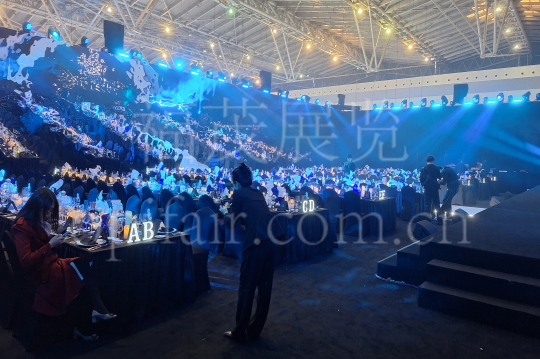
What are trade shows and exhibitions? How do they differ? In business activities, both trade shows and exhibitions are important platforms for showcasing and exchanging ideas, but their positioning and functions differ significantly. Trade shows are often called “industry trendsetters,” typically large-scale and comprehensive, covering multiple fields or industries. For example, the 2026 Wise Shanghai Overseas Property, Immigration & Study Abroad Exhibition, as its 30th large-scale trade show, will bring together exhibitors from over 40 countries worldwide, covering the entire chain of overseas property investment, immigration policies, study abroad services, and investment projects. Its core objective is to promote cross-sectoral cooperation and social progress. Participants include not only businesses but also government agencies, research institutions, and industry associations, radiating influence across multiple dimensions of society, culture, and economy. Exhibitions, on the other hand, focus more on “precise matching.” They are mainly industry-specific, such as auto shows and jewelry exhibitions, primarily showcasing specific products or services to directly promote transactions. Exhibitors are mainly companies, and visitors are mostly buyers or partners with specific needs, such as manufacturing companies at the Canton Fair directly connecting with buyers through exhibitions. Advantages and Disadvantages of Expos and Exhibitions Revealed Advantages of Expos: Profound Influence: As a “barometer” of social development, expos promote policy discussions, technological innovation, and cultural exchange. For example, the 2026 Shanghai Overseas Property, Immigration, and Study Abroad Expo will explore global immigration policy trends through a high-level forum, providing investors with decision-making support. Strong Resource Integration Capability: Large-scale expos attract participation from governments, enterprises, research institutions, and other stakeholders, forming an “industry-academia-research” ecosystem. This expo is expected to attract over 20,000 professional visitors, including returnees and corporate executives, facilitating efficient resource matching. Brand Value Enhancement: For the host city, expos significantly enhance its international reputation, boosting tourism, transportation, and…