In an era of deepening globalization, industrial, supply, and innovation chains between countries are becoming increasingly intertwined. How can participants from different industries, regions, and cultural backgrounds communicate and cooperate more smoothly? Trade shows are one of the most effective bridges. They are not merely venues for showcasing products, but also open communication mechanisms, platforms that can highly concentrate and rapidly exchange resources, needs, and ideas. In the same space, people can communicate, judge, and make decisions face-to-face, thus significantly accelerating many collaborations that would otherwise take months or even years to complete.
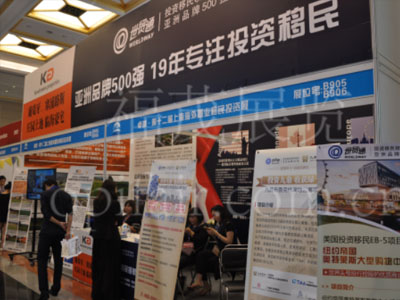
Face-to-Face Communication is More Efficient
Meeting in person makes for better communication
In globalized communication, while email and video conferencing are convenient, face-to-face communication still holds irreplaceable value. Trade shows bring together companies, institutions, and organizations that were previously scattered around the world in one place, making communication more direct.
Face-to-face communication allows both parties to quickly build trust, understand cooperation intentions, and rapidly assess each other’s needs. This communication efficiency is difficult for any online channel to completely replace. The effects of on-site communication are particularly evident in industries involving technical details, product experiences, or cultural differences. A real-world communication environment reduces information asymmetry, facilitating rapid agreements and collaborations.
Providing the Most Intuitive Basis for Judgment
Seeing is believing
At the expo, products, technologies, and concepts can be presented in the most tangible way. Instead of describing product features in words, partners can experience them firsthand; instead of introducing technical performance via remote meetings, on-site demonstrations of how it works are more effective.
This “see and touch” experience greatly increases information transparency and significantly improves judgment efficiency. For example, whether equipment is compatible, whether the technology is mature, and whether the design meets requirements can often be answered immediately on-site. Therefore, many international collaborations are initially finalized in the expo’s exhibition area.
Making it Easier for Partners to Find Each Other
Resources are All Here
One of the biggest features of the expo is the high concentration of various resources. Enterprises, research institutions, government departments, investment institutions, industry associations, and other stakeholders appear in the same space.
This resource aggregation itself creates a high-density collaborative environment. Looking for supply chain partners? The exhibition area might have upstream and downstream partners. Looking for investment? The investors are right next door in the exhibition hall. Want to learn about a country’s policies? The government department’s booth might be just minutes away.
This resource aggregation not only saves time but also improves the “cooperation matching rate.” Many transnational collaborations are able to quickly determine their direction because both parties achieve precise matching through resource aggregation at the expo.
Providing a Sense of Security for Cooperation
A platform provides reassurance
The expo is not a chaotic marketplace, but a relatively standardized, transparent, and clearly defined professional platform. It is usually organized by government agencies or authoritative organizations to ensure order, security, and information reliability.
This standardized platform gives participants greater security and trust when communicating across borders. Companies from different countries can discuss cooperation in a fair and just environment, reducing the uncertainty caused by cultural and institutional differences. For many companies venturing into international cooperation for the first time, the expo is a “starter” for entering the global market, providing institutional support.
Helping Countries Find Common Direction
Looking at Issues from the Same Future
Besides showcasing products and facilitating cooperation, the expo also serves to disseminate industry trends. Forums, press conferences, and seminars allow participants from different countries to gain a shared understanding of the industry’s future.
When all parties reach a consensus on trends, it becomes easier to find common ground for cooperation. For example, the development direction of a particular technology, the future opportunities of an industry, or the common challenges facing a certain field can all be clarified at the expo. This consensus on trends transforms cooperation from “willingness” to “action,” making transnational collaboration more strategically valuable.
The value of the expo extends far beyond display and promotion; it is a multi-dimensional cooperation platform that promotes global cooperation across multiple dimensions, including information transparency, resource concentration, trend sharing, and trust building. It strengthens the connections between upstream and downstream industries, accelerates the diffusion of innovation, and allows participants from different cultural backgrounds to overcome distance and differences, seeking a shared future in the same space. As globalization continues to deepen, the expo will play an increasingly important role in facilitating transnational exchange, industrial cooperation, and cultural exchange. In other words, the expo not only connects the world but also drives global collaboration forward.