-
Whatsapp
+1 689 248 1956 -
Email
joannewong0817@gmail.com

 12/06/2026
As global mobility and cross-border asset allocation continue to grow, more families are exploring pathways to obtain overseas residency through financial means. Among these options, “investment immigration” has become one of the most common approaches. However, many people still interpret it simply as “buying residency with money.” In reality, it involves policy requirements, investment structures, and compliance checks, with significant differences across countries. Basic Definition of Investment Immigration Investment immigration is a pathway where applicants obtain residency or long-term status by meeting a country’s policy requirements through capital investment. The core idea is a combination of “investment + regulatory approval.” Applicants are usually required to invest in designated projects such as real estate, funds, or businesses The investment amount must meet the government’s minimum threshold and pass official review Successful applicants may obtain residency permits or long-term residence rights This option is generally suitable for individuals with sufficient financial resources who seek global asset and residency planning. Common Types of Investment Immigration Different countries design various investment immigration programs based on their economic structure and policy goals. Each type has different capital requirements and risk profiles. Real estate investment immigration through purchasing qualifying properties Business investment immigration by creating or investing in enterprises Government fund investment by contributing to approved national projects Each pathway suits different budgets and risk preferences. Differences Between Investment Immigration and Other Immigration Types Investment immigration differs significantly from skilled migration or family reunification programs in both logic and requirements. Investment immigration is capital-based rather than skill- or education-based Skilled migration relies more on professional background and language ability Investment programs often have faster processing but higher financial thresholds Some programs have minimal residency requirements, offering greater flexibility Therefore, it is primarily a capital-driven immigration pathway. Key Advantages of Investment Immigration Investment immigration…
 01/06/2026
In the context of accelerating global asset allocation, real estate remains one of the most familiar and important investment options for many people. However, what truly determines success is not simply “buying property,” but “choosing the right project.” Different cities, developers, and policy environments can significantly affect both returns and risks. Therefore, learning how to select high-quality real estate projects is a crucial step toward successful investment. What Is the Core Logic Behind Choosing Real Estate Projects? Selecting real estate is not just about price levels; it requires a comprehensive evaluation of location, demand, policy, and long-term growth potential, all of which determine the asset’s future performance. Location determines long-term value; core cities or emerging growth areas usually offer stronger stability. Population inflow affects rental demand; areas with growing populations tend to generate stable cash flow. Infrastructure development such as transport and commercial facilities directly enhances property appreciation potential. Policy stability is critical; regions with frequent policy changes carry higher investment risks. High-quality projects are not necessarily the cheapest ones, but those supported by sustained demand and long-term growth logic. How to Choose Different Types of Real Estate Projects? Real estate comes in various forms, and different investment goals require different selection strategies. Without a clear direction, investors can easily choose the wrong type. Residential properties are suitable for long-term holding, focusing on rental yield and demographic structure. Commercial properties such as offices and retail spaces depend heavily on economic conditions but offer higher return flexibility. Vacation properties are ideal for short-term rental or personal use, but are affected by seasonal demand fluctuations. New development projects are cheaper but riskier, suitable for investors with higher risk tolerance. Second-hand mature properties are more stable but may offer limited appreciation potential. There is no absolute best option—what matters is matching the…
 29/05/2026
With the continuous development of global investment immigration programs, more families are using them as a pathway to obtain overseas residency and diversify assets. However, fund proof remains one of the most important concerns for applicants: how much is required and how should it be prepared? Understanding the financial requirements and preparation methods can make the application process smoother and help avoid unnecessary risks or delays. Basic Requirements for Fund Proof Fund proof is the most critical part of an investment immigration application, as it directly demonstrates the applicant’s financial capacity and affects approval efficiency and success rates. Applicants must provide proof of legal fund sources, including salary, business income, and investment gains. Some programs set clear minimum requirements for net worth and liquid assets. All documents must be authentic, legal, and certified by banks or official institutions. Fund proof is not just about showing numbers; it reflects transparency and legality of funds. Incomplete or non-compliant documentation can easily delay approval. Differences in Fund Requirements Across Countries Investment immigration programs vary significantly in fund thresholds and investment types. Knowing the differences helps applicants plan effectively. The U.S. EB-5 program generally requires an investment of $800,000–$1.1 million, along with net asset verification. Canada’s Quebec Investor Program has more flexible financial requirements but still requires proof of legal fund sources. European countries such as Portugal and Spain require property investments of €250,000–€500,000 plus related fund documentation. Fund requirements not only determine investment scale but also affect approval speed and success rate, making program selection critical. Composition and Preparation of Fund Proof Fund proof is not limited to bank deposits; it can include multiple types of legal assets. Combining them strategically can help meet requirements more easily. Bank deposits, with recent statements and official bank certification. Real estate assets, including property…
 26/05/2026
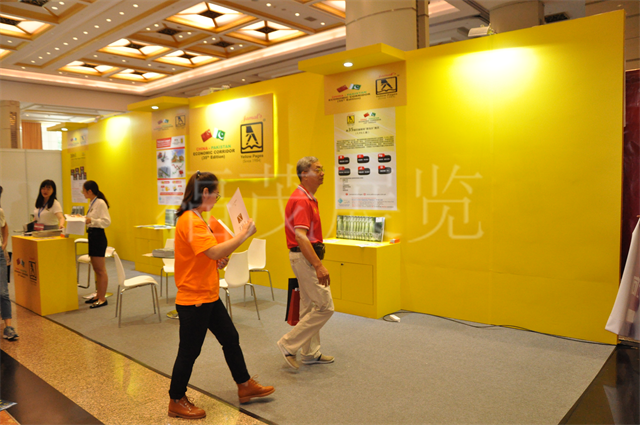
When people consider investment immigration to the United States, the most common question is: “How much does it actually cost?” However, this is not just about a single investment amount. It also includes the type of program, legal fees, application costs, and long-term living expenses. The total cost varies significantly depending on the family situation and chosen immigration path. Therefore, it is important to understand the full financial structure rather than focusing only on the minimum investment requirement. Main Investment Requirements for U.S. Investment Immigration The most common pathway is the EB-5 Immigrant Investor Program, with different investment thresholds depending on the project type. The standard EB-5 investment amount is typically $1.05 million for non-Targeted Employment Area (non-TEA) projects The Targeted Employment Area (TEA) investment is about $800,000 and is currently the most commonly used option Investment funds must be placed into qualified commercial projects that create U.S. jobs The investment is considered a risk-based investment with no guarantee of return or principal protection What Additional Costs Are Required Besides the Investment? In addition to the core investment amount, there are several mandatory additional expenses. Immigration lawyer fees generally range from $10,000 to $30,000 depending on case complexity Project management or administrative fees are usually between $50,000 and $70,000 Government filing fees for different stages such as I-526 and I-485 applications Translation, notarization, and document certification costs vary by family situation Additional intermediary or consulting fees may further increase total expenses What Are the Living Costs After Immigration? Even after approval, long-term living expenses are an important consideration. Annual household living expenses in major U.S. cities range from $30,000 to $100,000 Private or international school tuition for children can reach $20,000–$50,000 per year Health insurance costs vary by state and can reach several thousand to over $10,000 annually…
 25/05/2026
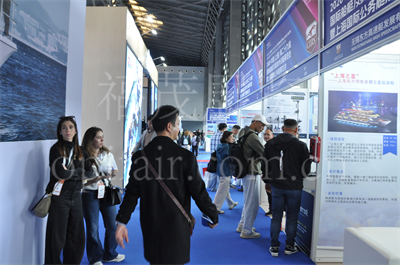
In the past, overseas real estate investment was often viewed as something only wealthy individuals or middle-aged investors would consider. However, with the growth of globalization, the rise of remote work, and changing financial attitudes among younger generations, more people in their 20s and 30s are now paying attention to international property markets. Compared with traditional savings methods, overseas real estate can offer asset preservation, rental income, future residency planning, and greater lifestyle flexibility. As a result, “Is overseas real estate suitable for young investors?” has become a popular topic at international real estate exhibitions and investment expos. Why Are More Young People Interested in Overseas Real Estate? The mindset of younger investors is very different from previous generations. Global lifestyles are becoming more common Many young people want the flexibility to live, work, or settle abroad in the future. Earlier awareness of asset allocation Younger generations are more willing to explore long-term investments rather than relying only on savings. Growth of remote work and digital careers Flexible working arrangements make overseas property ownership more practical. Lower entry barriers in some overseas markets Small apartments and emerging markets in certain countries are becoming affordable for younger investors. Social media accelerates information sharing Young investors can easily access global real estate trends online. What Advantages Do Young Investors Have in Overseas Real Estate? Compared with traditional investors, younger buyers actually have several unique strengths. Longer investment horizon Younger investors have more time to wait for long-term appreciation. Higher risk tolerance They are generally more open to market fluctuations and emerging investment opportunities. Faster learning and information access Younger generations adapt quickly to researching international policies, taxes, and market trends. Stronger adaptability to international lifestyles Including language skills, cultural understanding, and cross-border living experiences. What Types of Overseas Properties Are…
 21/05/2026
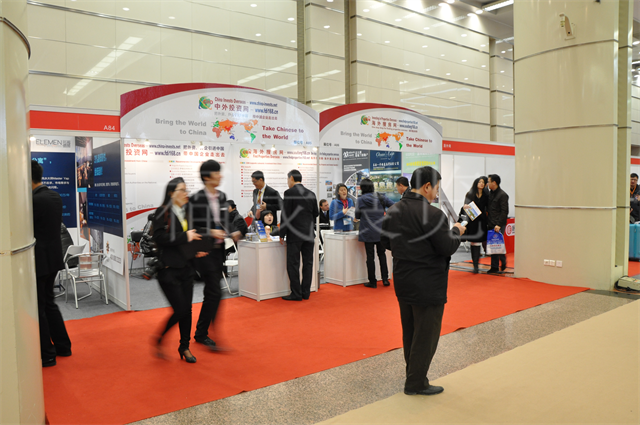
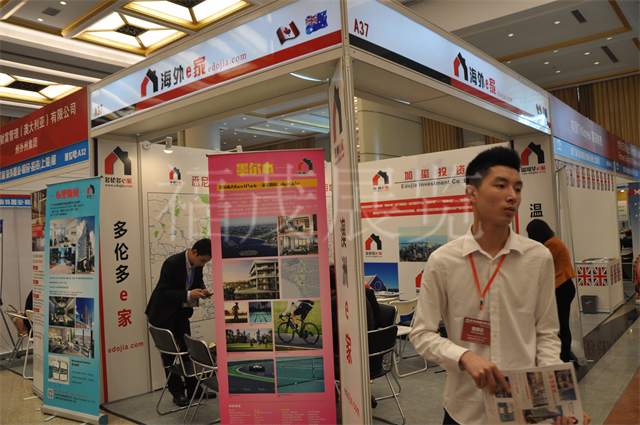
In the investment process, many people focus on returns, but what truly influences the stability of long-term decisions is often the level of understanding of risk. Different investment projects differ in their funding cycles, market volatility, and return structures. Without a systematic understanding, it’s easy to make unreasonable judgments due to insufficient information. Investment expos bring together a variety of investment projects and industry resources, allowing visitors to compare projects and engage in on-site discussions. This allows for a more intuitive understanding of the risk characteristics of different investment models, thereby improving overall risk awareness. Multiple Project Displays Help Identify Risk Differences Different investment models are presented together. Investment expos typically cover real estate, finance, and industrial projects, each with distinct risk characteristics. Visitors can directly observe the differences in project cycles, returns, and stability. Multi-dimensional displays make risk understanding more intuitive. On-site Interaction Enhances the Depth of Risk Understanding Face-to-face communication makes information more concrete. Project representatives or advisors explain potential market changes and financial pressures during the investment process, reducing the risk of one-sided understanding. Consultations further clarify the sources of risk and coping strategies. This exchange enhances risk assessment capabilities, making on-site interaction a more comprehensive understanding. Multidimensional analysis helps build rational judgment Horizontal analysis enhances decision-making awareness. Different projects differ significantly in return models and risk levels:comparison makes it easier to understand the balance. Selection based on individual needs: Investors can choose suitable directions based on their budget and risk tolerance. Rational analysis makes investment decisions more robust. In the overall experience of the investment expo, risk awareness is not an abstract concept, but rather a clear understanding gradually formed through project demonstrations, case studies, and on-site discussions. Visitors can quickly encounter different investment models and understand the relationship between risk and return…
20/05/2026
In an ever-changing investment market, more and more people are realizing that a single investment approach is insufficient for long-term asset planning. Different investment models differ significantly in terms of risk, return, timeframe, and capital requirements. A lack of systematic understanding can easily lead to missing out on suitable opportunities due to limited information. Investment expos bring together various types of investment projects, allowing visitors to understand the characteristics and logic of different investment models in a unified setting, thus gaining a more comprehensive understanding of the market structure. Multi-industry Project Showcase Broadens Investment Horizons Diverse investment models are presented in a concentrated manner. Investment expos typically cover multiple areas, including real estate, finance, industry, and cross-border investment. Visitors can directly observe the differences in the operational methods of different models. Diverse information broadens investment horizons. On-site Interaction Enhances Investment Understanding Face-to-face communication makes information more concrete. Project representatives or consultants will introduce the return structures and participation methods of different investment models. Reduces vague understanding of investment concepts. Consultations provide a clearer understanding of the characteristics of various models and their suitable target groups. This exchange improves learning efficiency. On-site interaction deepens investment understanding. Multidimensional comparisons aid in investment judgment Horizontal analysis makes differences more apparent. Different investment models differ in risk levels, return cycles, and capital requirements; the comparison process strengthens judgment. Simultaneously, investors can select more suitable directions based on their own needs. This approach optimizes investment strategies, and reasonable comparisons make investment choices clearer. In the overall experience of the investment expo, diverse investment models are no longer just abstract concepts, but are gradually understood through project demonstrations, on-site explanations, and comparative analysis. Visitors can quickly grasp different investment logics and understand the differences and connections between various models. This centralized information acquisition method…
 09/05/2026
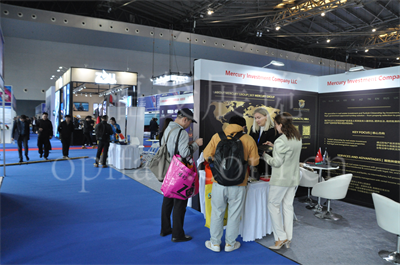
During the investment decision-making process, many individuals encounter the dual challenge of information overload coupled with a lack of professional judgment—a predicament particularly acute when navigating diverse asset classes and complex return structures, where relying solely on personal experience often proves insufficient for making sound choices. An investment expo serves as more than just a platform for the centralized display of projects; it also brings together industry experts, investment advisors, and project developers for on-site interaction, thereby offering visitors the opportunity to obtain professional advice directly and, in turn, enhance the overall quality of their investment assessments. On-Site Experts Provide Professional Investment Insights Face-to-face interaction deepens informational understanding. Investment expos typically invite industry analysts or investment advisors to provide detailed explanations regarding the market logic underpinning various projects. To facilitate the comprehension of complex investment structures, these experts elucidate sources of return, key risk factors, and prevailing market trends, making it easier for investors to grasp the fundamental essence of each project. This approach significantly elevates the level of professional insight available to attendees. Targeted Consultation Enhances Decision-Making Accuracy Personalized inquiries receive direct, specific answers. Visitors are empowered to pose questions to experts tailored to their own specific capital resources and risk tolerance. Experts respond by offering advice grounded in these practical circumstances, assisting investors in determining whether a particular project aligns with their individual needs and is suitable for investment. This form of dialogue substantially enhances the practical value of the information used to inform investment decisions. Multi-Project Analysis Combined with Professional Advice Offers a More Comprehensive Perspective Comparative analysis refines the quality of judgment. Within the confines of a single expo, visitors can simultaneously explore multiple investment opportunities and evaluate them in light of expert opinions. This process streamlines the investment selection journey, as professional guidance…
 08/05/2026
For those new to investing, the biggest challenge is often not choosing projects, but rather not knowing where to begin. The market is flooded with investment information, with significant differences between industries and business models. Without basic knowledge, it’s easy to make incorrect judgments due to information overload. Investment expos bring together multiple industries and investment projects of different types, allowing beginners to understand market structure and investment logic in a unified setting. Through on-site interactions and project comparisons, many previously abstract investment concepts become more intuitive. Therefore, these expos offer valuable introductory resources for investment novices. Concentrated Display Helps Build Basic Knowledge Multiple investment directions presented simultaneously. Investment expos typically cover real estate, finance, and industrial projects, allowing beginners to experience different investment types at once. Reduces the problem of fragmented information: Observing multiple projects in the same environment helps in understanding the basic investment structure. This approach helps build initial knowledge. On-site Interaction Reduces the Difficulty of Understanding Face-to-face communication makes information absorption easier. Project representatives or advisors will explain the project model, revenue sources, and basic risks. Interactive sessions ensure timely answers to questions. Beginners can directly ask questions, improving comprehension efficiency. This exchange enhances the learning experience. Comparing Multiple Projects Cultivates Judgment Skills Horizontal analysis makes differences more apparent. Different projects vary in risk, cycle, and return; comparison makes it easier to identify key characteristics. Simultaneously, the analytical process enhances judgment awareness, allowing beginners to gradually understand which types of investments best suit their funds and goals, thus optimizing their investment approach. Throughout the investment expo experience, novice investors can gradually build basic knowledge in a centralized information environment, rather than simply learning about a single project. Multi-industry displays, on-site interactions, and comparisons between different investment models make the originally complex market structure…
06/05/2026
With the increasing abundance of investment channels available today, investors of all sizes are looking for suitable ways to participate. Small investors, in particular, are concerned about obtaining effective information and opportunities within a limited budget. Investment expos bring together investment projects from multiple industries and of varying sizes, allowing visitors to understand different investment thresholds and participation methods in a single setting, thus determining whether participation is suitable for them. Diversified Projects Lower the Barrier to Entry Projects of different sizes are showcased together. Investment expos typically cover real estate, finance, and asset-light projects, some of which have lower entry barriers. Small investors can filter for suitable project types based on their financial situation. This structure increases the likelihood of participation. Transparent On-Site Information Facilitates Rational Judgment Public explanations reduce information errors. Exhibit projects usually explain their funding structure, profit model, and basic risks, making them easier for small investors to understand. On-site explanations also allow for a more intuitive assessment of whether the project aligns with their risk tolerance. This approach enhances decision-making security. Comparative Environments Help Control Investment Risk Multiple projects on-site facilitate horizontal analysis. The concentrated display of different investment projects at expos helps in comparing differences in returns and risks. Smaller investors can compare and choose more stable investment opportunities. This approach optimizes the quality of their choices. Throughout the investment expo experience, smaller investors are not at an informational disadvantage; on the contrary, they can gain clearer judgment criteria through centralized displays and on-site exchanges. Diverse projects and transparent explanations enable participants with smaller capital to find options suitable for their risk tolerance, thereby enhancing the rationality and security of their investment decisions.
 Number
Call Now:
139 1723 4508
 WeChat
 Form
FormBook Your Booth
Complete your information immediately and provide you with exclusive services!
Back to Top

