-
Whatsapp
+1 689 248 1956 -
Email
joannewong0817@gmail.com

 15/12/2025
Amidst ongoing global political and economic volatility, the impact of shifts in bilateral relations on cross-border investment is becoming increasingly prominent. As major economies in Asia and globally, China and Japan have long maintained close ties in trade, supply chains, finance, and people-to-people exchanges. However, with adjustments in the international landscape, increased geopolitical complexity, and changing public opinion, Sino-Japanese relations are exhibiting cyclical fluctuations. While this doesn’t necessarily signify outright confrontation, it significantly enhances the uncertainty of cross-border investment. For investors already investing in or planning to enter the Japanese market, the judgment framework previously based on expectations of stable cooperation may need to be re-evaluated. Investment in Japan is no longer merely a matter of commercial return calculations but involves multiple factors, including the policy environment, compliance reviews, market sentiment, and long-term strategic security. Therefore, in the current context, systematically reassessing the potential risks of investment projects in Japan can help investors maintain rational decision-making and avoid structural misjudgments caused by changes in the external environment. Policy and Regulatory Environment Changes Risk The most direct impact of changes in Sino-Japanese relations is the uncertainty at the policy and regulatory level. Investment review systems, industry access rules, and foreign merger and acquisition approval processes may become more stringent due to security, technological, or strategic considerations. This is especially true in sensitive sectors such as energy, telecommunications, high-end manufacturing, semiconductors, and data services, where changes in policy stance can directly impact project implementation progress or subsequent operational stability. Furthermore, the enthusiasm, support, and policy implementation capabilities of local governments in attracting investment may also be influenced by the overall bilateral atmosphere. Investors who continue to rely on past policy judgments are likely to underestimate potential risks such as longer approval cycles and increased compliance costs. Public Opinion and Market Sentiment…
 13/12/2025
Driven by both inflationary pressures and asset allocation needs, investment has evolved from a simple means of wealth appreciation into a core strategy for mitigating risk and achieving long-term financial goals. Whether it’s saving for retirement, planning ahead for children’s education, or pursuing intergenerational wealth transfer, sound investment logic and the ability to dynamically adjust have become essential financial skills for modern individuals. However, facing a diverse range of choices including stocks, bonds, commodities, and alternative assets, constructing a portfolio with strong risk resistance and stable returns tests each investor’s depth of understanding and execution resolve. Clearly defining investment objectives and risk tolerance is the cornerstone of decision-making. Short-term goals (such as a down payment on a home within 3 years) require prioritizing liquidity, and low-risk products such as money market funds and short-term government bonds can be chosen. Medium-term goals (5-10 years of education funds) can appropriately allocate to index funds or balanced funds, utilizing the compounding effect to achieve steady growth. Long-term goals (retirement planning for 15 years or more) can include equity assets such as stocks and real estate, smoothing out market fluctuations over time. Risk tolerance assessment should consider factors such as income stability, household debt, and emergency reserves. For example, freelancers with fluctuating monthly income should keep high-risk assets below 30% to avoid impacting their basic living standards due to market downturns. The “golden rule” of asset allocation lies in diversification and balance. While the traditional “60% stocks + 40% bonds” model is classic, its potential returns are limited in a low-interest-rate environment. Modern investors prefer a “core + satellite” strategy: constructing a core holding of 60%-70% in broad-based index funds (such as global stock indices and high-rated bond ETFs); using sector-themed funds (such as technology and healthcare), commodity ETFs (gold and crude oil), or…
 12/12/2025
In recent years, with the deepening of global economic interaction, various international expos have become important windows for observing cross-border investment trends. At these expos, government agencies, industry leaders, technology companies, financial institutions, and investment promotion departments from various countries gather to showcase new technologies, industrial models, and cooperation opportunities, gradually transforming expos from their traditional function of product display into new international investment barometers. For investors, the types of projects, cooperation demands, audience structure, corporate layout, and policy orientations presented at expos all contain signals about future capital flows. Cross-border investment is no longer limited to traditional manufacturing, real estate, or resource industries, but extends to multiple fields such as technological innovation, green energy, digital services, healthcare, and cultural tourism. Especially in the current context of global supply chain restructuring, geopolitical economic differentiation, and consumption upgrading, expos have become an important channel for investors to quickly capture market changes, judge industry trends, and establish transnational networks. Changing Demands for Industrial Upgrading The most critical change at expos in recent years is that technology, innovative services, and digital capabilities have become the core of corporate displays. More and more countries are promoting industrial restructuring, hoping to attract capital with technology spillover effects, rather than just traditional construction-related investments. This signifies a shift in cross-border investment from “building factories and buildings” to “investing in technology and capabilities,” encompassing areas such as intelligent manufacturing, artificial intelligence applications, digital infrastructure, cross-border e-commerce services, smart tourism, supply chain technology, and agricultural technology. These industries not only reflect national development strategies but also resonate with global businesses’ needs for improved efficiency, reduced costs, and enhanced resilience. Common Global Issues Against the backdrop of global efforts to address climate change and energy transition, green development has become a key focus of cross-border investment discussions. Many…
 12/12/2025
In recent years, the global tourism industry has experienced a strong recovery and transformation following the impact of the pandemic, expanding from simple transportation and accommodation to a multi-layered value chain encompassing experiences, cultural integration, and sustainable development. With the reshaping of consumer travel demands, the rapid penetration of digital technologies, and the advancement of economic globalization and regional openness policies, the tourism industry is forming new growth drivers and investment hotspots. Investors are shifting from traditional physical assets and infrastructure construction to innovative services, digital platforms, the experience economy, and green tourism. This trend not only reflects changes in industry demand but also capital’s assessment of the future potential of the tourism industry. Continued Recovery and Growth Expectations in the Global Tourism Industry The current overall situation of the tourism industry shows a “steady and positive” growth trend. On the one hand, tourism activities in most countries and regions have basically recovered or even surpassed pre-pandemic levels, with a significant increase in international and domestic tourist mobility, and the industry’s contribution to economic growth and job creation continues to strengthen. International organizations and industry research reports generally predict that the global tourism market will maintain a high growth rate in the coming years, becoming one of the important pillars of the global economy. The continuous growth of the tourism industry is not only reflected in traditional transportation and accommodation consumption, but also in the deep integration of tourism with other industries such as culture, entertainment, and health. This diffusion effect enhances the investment attractiveness of the entire ecosystem. On the other hand, as a crucial component of consumption, the activity of the tourism industry reflects macroeconomic factors such as residents’ income, consumption upgrades, and lifestyle changes. Therefore, investors generally believe that the tourism industry has strong long-term growth…
 11/12/2025
In recent years, with the continuous development of the global tourism industry, overseas hotels, vacation homes, and other tourism real estate have gradually become an important area of focus for investors. Compared with traditional residential or commercial properties, these assets not only serve residential or commercial purposes but are also closely related to the prosperity of the tourism market, seasonal demand, and the overall attractiveness of the destination. However, the investment logic of overseas tourism real estate is not simple; it possesses the dual attributes of “real estate” and “tourism,” meaning that returns depend not only on the asset’s inherent value preservation but also on operational efficiency, destination competitiveness, and the external economic environment. Therefore, many investors need to clearly understand the potential risks and recognize the uncertainties brought about by cross-border investment before entering this field. Policy and Regulatory Uncertainty Different countries have significant differences in real estate transactions, property rights systems, land use, and foreign investment restrictions. Especially when it comes to operating assets such as hotels and resorts, policy uncertainty is more likely to affect investment. Some countries have threshold restrictions on foreigners purchasing real estate; some require specific licenses, while others have strict regulations on short-term rental operations, land lease terms, or changes in land use. Furthermore, local governments may impose restrictions or upgrade regulations on the short-term rental market based on tourism management, urban planning, or safety considerations, directly impacting the rental methods and revenue performance of holiday homes. Investors unfamiliar with the legal framework or relying on unprofessional intermediaries are prone to risks related to property rights, taxes, or operating permits, thus affecting the sustainable operation of the asset. Operational Risks The operating models of hotels and holiday homes are completely different from residential rentals. Hotels require professional teams to manage…
 11/12/2025
In today’s rapidly changing tourism industry, businesses often face a core question when choosing a business model: which is more advantageous, an asset-light model or an asset-heavy model, better suited for long-term development? Asset-light models typically represent more flexible resource allocation methods, such as online travel platforms, guided tours, SaaS management systems, and OTA distribution. They primarily rely on technology, channels, and operational capabilities to realize value. Asset-heavy models, on the other hand, include hotels, resorts, and theme parks, requiring large-scale upfront investment, continuous maintenance costs, and long operating cycles. As consumer demands become increasingly diversified and travel experiences become more fragmented and experiential, companies with different asset models are striving to find their competitive niche. Asset-Light Model The significant advantages of the asset-light model lie in its flexibility and scalability. Because these companies do not bear heavy property, construction, or long-term fixed asset costs, they can invest more resources in technology research and development, user experience optimization, channel expansion, and brand operation. When market demand or the policy environment changes, asset-light companies can often quickly adjust their strategies, such as optimizing business lines, reshaping product structures, or developing new customer sources. Furthermore, the asset-light model is more suitable for the digitally driven tourism market, as user acquisition, algorithmic recommendations, content marketing, and the efficiency of online transaction conversion are all sources of its core competitiveness. The asset-light model also boasts the advantage of relatively low-risk expansion, allowing for cross-regional replication and rapid testing of different product directions, thereby acquiring a wider market share with lower trial-and-error costs. Asset-Heavy Model Compared to the asset-light model, while the asset-heavy model has a higher capital threshold and longer construction cycle, its advantages lie in stability and controllability. Owning tangible assets such as hotels or theme parks allows companies to…
 10/12/2025
In today’s rapidly evolving financial investment market, investment expos, as core platforms for the deep integration of capital and projects, are becoming crucial hubs for enterprises to overcome development bottlenecks and for individuals to optimize asset allocation. From national-level industry events to cross-border comprehensive exhibitions, from vertical industry summits to innovative technology roadshows, various investment expos are continuously releasing immeasurable value through resource integration and precise matching. So, are investment expos worth participating in? What are their core values? This article will conduct an in-depth analysis from three aspects: industry trend insights, resource matching efficiency, and brand influence enhancement. The primary value of investment expos lies in their unique function as industry information hubs. Taking a certain national-level investment and wealth management expo as an example, this expo is guided by authoritative institutions and hosted by industry associations. Each session invites top experts in the financial field, representatives from regulatory departments, and executives from leading companies to systematically interpret macroeconomic policies and market development trends through keynote speeches, roundtable forums, and other formats. For example, at one exhibition, a renowned economist’s sharing on “Global Asset Allocation Strategies in the Post-Pandemic Era” directly influenced participating institutions’ judgments on cross-border investment directions; the analysis of quantitative tools for emerging markets by the head of a securities research institute provided investors with practical pathways for technological upgrades. These high-level forums not only help exhibitors anticipate policy benefits but also promote technological iteration and business model innovation through industry white paper releases and technical standard discussions. For SMEs, the expo’s specialized forums offer even greater practical value. For instance, a regional science and technology finance summit featured special sessions on “Intellectual Property Pledge Financing” and “Digital Asset Valuation Models,” showcasing innovative financial tools such as blockchain notarization and smart contract auditing. A biopharmaceutical company,…
 08/12/2025
At large overseas real estate, immigration, and education trade shows, attendees are often exposed to numerous projects, agencies, and consultants in a very short time. The atmosphere is often filled with stimulating signals like “Special offers only today,” “Limited spots available,” and “Sign up to lock in the price.” Many people, caught up in this cacophony, easily pay deposits without fully understanding the situation. However, after returning home and calming down, they begin to worry that they’ve fallen into a “deposit trap.” These traps aren’t necessarily scams; some are simply excessive marketing, some involve opaque contract design, and some may even unwittingly tie you to non-refundable fees when you just want to learn about a project. The value of trade shows is to broaden your horizons, but truly responsible judgment should be made after the trade show, not driven by its pace. To avoid “deposit anxiety” or subsequent disputes, you need to understand which tactics are most common, which details must be confirmed, which signals indicate risk, and under what circumstances you should never pay a deposit. Refuse to Pay Within a Limited Timeframe The most common deposit trap at trade shows is using a sense of urgency to push for a decision, such as, “If you don’t pay your deposit today, your spot won’t be available.” In reality, most overseas real estate and immigration projects don’t have “exhibition-exclusive spots”; the time-limited claim is mostly a marketing tactic. Anyone constantly pressuring you to pay immediately is unprofessional. At trade shows, there are never any projects that require immediate payment; giving yourself time to think is always the right choice. Is the Deposit “Refundable”? Some agencies handle deposits vaguely, mixing “consultation deposit,” “slot-locking deposit,” and “agreement deposit,” without clearly explaining them on-site. You need to ask three questions:Is…
 05/12/2025
At large overseas real estate, immigration, and study abroad exhibitions, visitors are typically exposed to a wealth of information about agencies, projects, and policies. The lively and fast-paced communication can easily lead to information overload. Many exhibitors appear highly professional: beautifully designed booths, comprehensive materials, and smooth explanations. Coupled with marketing tactics like “limited-time offers” and “exclusive slots,” it’s easy to mistakenly believe their qualifications are inherently reliable. However, truly rational investors and decision-makers often prioritize the crucial step after the exhibition—systematically and objectively verifying the agency’s qualifications. The exhibition is the first step; judgment is the second. Truly safe choices always occur in a calm state of mind. Especially in overseas asset allocation, immigration planning, or education services, the agency’s legitimacy, professionalism, and stability directly impact fund security, timeline control, and outcome implementation. Therefore, post-exhibition verification is more important than on-site impressions. Does the Agency Have Complete Business Licenses? The most basic step after the exhibition is to check whether the agency possesses legal registration information and operating licenses. Whether providing overseas real estate, immigration consulting, or education services, registration and filing in the corresponding country or region are mandatory. Import/export businesses and multi-country investment consulting may even require dual licenses. You can request the agency to provide your business license, registration number, and office address information, and then compare this information through the local official business registration system. Legitimate agencies will provide this information openly; the more evasive they are, the more wary you should be. Is there a legitimate partner? Many agencies claim to have “deep cooperation with developers in a certain country” or “exclusive partnerships with a certain law firm,” but verbal promises made at trade shows are cheap, so post-show verification is crucial. You can directly email the overseas partner or consult…
 05/12/2025
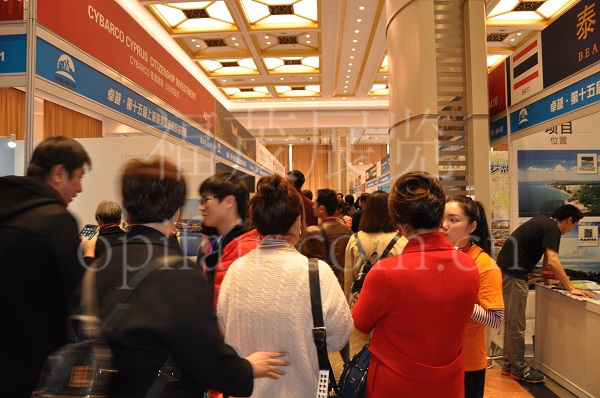
At various overseas real estate, immigration, study abroad, and cross-border investment trade shows, what attracts visitors most is often the “sense of opportunity”: limited-time offers, new policy windows, high-return projects, exclusive channels… These words can quickly grab attention and easily create decision-making pressure amidst the information overload. However, precisely because trade shows gather projects from different countries, institutions, and fields, with varying information content, levels of professionalism, and packaging methods, they are particularly prone to “misleading”—not necessarily because the project itself is problematic, but because its promotional methods, presentation angles, or the audience’s own understanding can amplify, weaken, or even completely deviate from the facts. Judging which projects are most likely to cause misunderstanding is essentially judging which themes have the characteristics of “high information complexity, rapid policy changes, sounding too tempting, and requiring in-depth verification of details.” At trade shows, those without time for in-depth research and without professional background are more easily led astray by superficial descriptions. Therefore, understanding which project risks “lies not in the projects themselves, but in misunderstandings” can help visitors remain calm and filter out truly reliable, feasible, and risk-free solutions from numerous opportunities. “Seeing projects” is easy; “understanding projects” is the true value of an exhibition. Which projects are most easily misunderstood? “Guaranteed Profit” Investment Projects The most common misconceptions at exhibitions come from claims of “high returns,” “low risk,” “guaranteed returns,” and “fixed dividends.” The reasons are simple: Investments inherently fluctuate and cannot be absolutely stable. Exhibition time is short, making it difficult to explain all the risks. Some projects only emphasize their highlights without mentioning limitations. “Over-packaged returns” is the most common misconception at investment exhibitions. The more unbelievably good something sounds, the more cautious you need to be. Overly Simplified Immigration Projects Immigration is a typical area…
 Number
Call Now:
139 1723 4508
 WeChat
 Form
FormBook Your Booth
Complete your information immediately and provide you with exclusive services!
Back to Top

