
-
Whatsapp
+1 689 248 1956 -
Email
joannewong0817@gmail.com

 12/01/2026
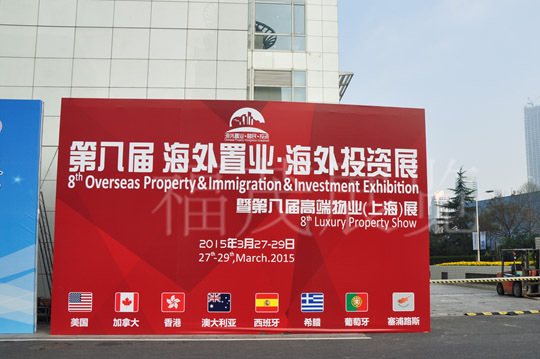
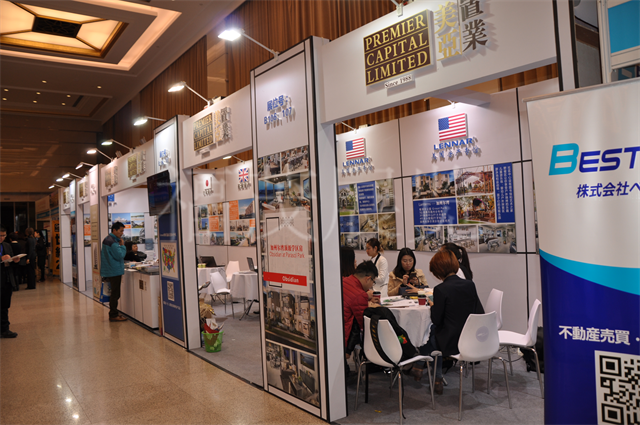
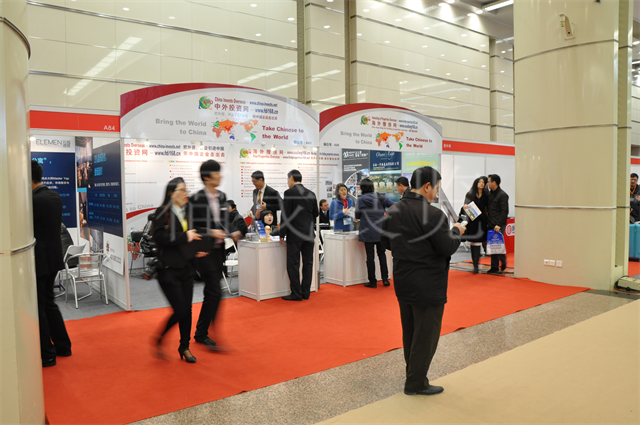
As a highly international city, Shanghai hosts various large-scale expos almost every year. Among these, the most attention-grabbing are often the comprehensive expos centered on international cooperation, trade exchange, and industry showcases. These expos are not only important platforms for companies to showcase their strengths and seek cooperation, but also increasingly become windows for the general public to understand cutting-edge technologies, international brands, and industry trends. For businesses, this is a great opportunity to expand markets and connect with resources; for visitors, it’s an experience of “seeing the world without leaving the country.” Many people are curious: What exactly is there to see at the Shanghai Expo? What are the highlights? Is it worth attending? High Internationalization and Wide Scope of Exhibitors One of the biggest highlights of the Shanghai Expo is its high level of internationalization. Companies, institutions, and brands from different countries and regions gather together, covering multiple fields such as manufacturing, services, technology, consumer goods, and cultural creativity. This diversified exhibitor structure makes the expo not only about “seeing products” but also about “seeing trends.” Whether it’s international brands or distinctive companies from emerging markets, they can all showcase their advantages on the same platform, providing visitors with a broader perspective. Exhibits Closely Connected to Daily Life, Strong Experiential Engagement Unlike traditional exhibitions that are “look but don’t touch,” the Shanghai Expo increasingly emphasizes interaction and experience. Many exhibition areas use physical displays, live demonstrations, and interactive experiences to allow visitors to intuitively experience products and technologies. From daily consumer goods to smart devices, from healthy living to green environmental protection, exhibits are often closely related to daily life, not lofty concepts, but things that “might be useful in the future,” which is a major reason for attracting a large number of ordinary visitors. Cutting-Edge…
 12/01/2026
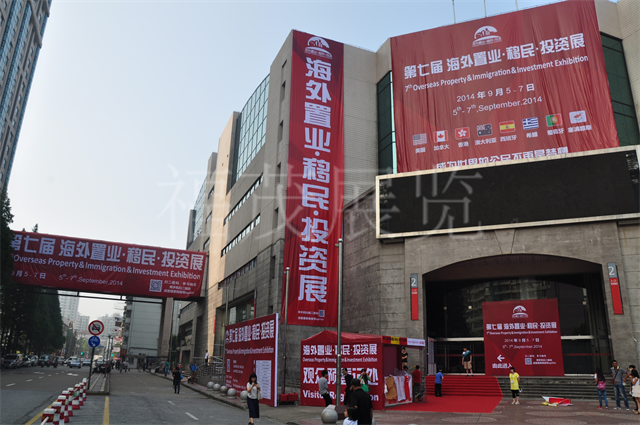
With the increasing demand for global asset allocation, overseas real estate investment has become an important choice for many investors to expand their wealth portfolios due to its advantages such as risk diversification and stable returns. However, cross-border investment involves different legal systems, economic environments, and cultural differences between countries. First-time investors, lacking systematic planning, are prone to falling into the trap of information asymmetry or decision-making biases. From target positioning to risk management, each step requires careful consideration to achieve steady asset appreciation. Clearly defining investment objectives is the primary task in overseas real estate investment. The characteristics of real estate markets vary significantly across different regions, and investors need to choose a suitable direction based on their own needs. If seeking rental returns, priority should be given to cities with stable population inflows and strong rental demand, such as the capital cities of some Southeast Asian countries, where the concentration of young people and the increase in foreign workers have led to an active long-term rental market and consistently low vacancy rates. If focusing on asset appreciation, attention should be paid to areas benefiting from infrastructure development in emerging economies, such as newly developed areas in some cities. With the extension of rail transit or the improvement of commercial facilities, property prices often show a rapid upward trend. Furthermore, the demand for education-related immigration has given rise to the concept of “school district housing.” Some countries allow residency through property purchase, but it’s crucial to verify policy details to avoid investment losses due to misunderstandings. In-depth market research is a key step in mitigating risk. Significant information gaps exist in overseas real estate markets, and relying solely on “average price” data provided by agents can easily lead to misjudgments. Investors need to analyze multiple dimensions to uncover the…
 10/01/2026
With increased information transparency and more convenient cross-border channels, overseas investment is no longer an exclusive field with “high barriers to entry.” Whether for asset allocation, risk diversification, or long-term planning for the family’s future, more and more people are paying attention to overseas investment. However, before actually taking action, many people have the same questions: How exactly should one begin overseas investment? Is the process complicated? What additional steps are involved compared to domestic investment? Clarifying Investment Objectives and Personal Conditions The first step in overseas investment is not choosing projects, but rather assessing oneself. Investors need to clarify their investment objectives: is it for long-term, stable asset allocation, or for pursuing short-term returns? Is it primarily for preserving capital, or are they willing to accept a certain level of risk? At the same time, they must objectively assess their own conditions, including the amount of capital they can invest, their risk tolerance, the length of time they intend to use the funds, and whether they have the patience for long-term holding. Only with clear goals and well-defined conditions will subsequent choices remain on the right track. Choosing Investment Target and Country/Region After clarifying the goals, the next step is to choose a general investment direction, such as real estate, financial products, physical projects, or other forms. Simultaneously, it is necessary to determine the target country or region. Different countries differ significantly in their policy environment, legal systems, and stages of economic development, making different investment approaches suitable for each. Investors should initially select one or two key markets to focus on, based on their own preferences and risk tolerance, rather than blindly expanding. Understanding Policies, Regulations, and Basic Rules Overseas investment involves cross-border capital flows, making policies and laws unavoidable. Investors need to understand the target…
 10/01/2026
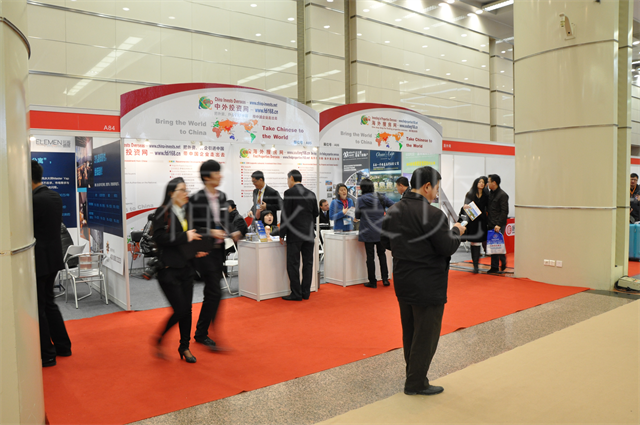
As global economic ties become increasingly close, overseas investment is no longer an “exclusive choice” for a select few, but is gradually entering the vision of ordinary families and small and medium-sized investors. Whether it’s allocating overseas real estate, participating in overseas funds, supporting children’s education, immigration, or overseas entrepreneurship, “how to allocate funds” is always a core issue that cannot be avoided. Many people, when they hear about overseas investment, immediately think of returns and prospects, but overlook a more fundamental and crucial point: how to allocate, use, and retain the money. An unreasonable fund allocation, even if the project itself is good, may force the investment plan to be interrupted due to cash flow difficulties, exchange rate fluctuations, or unexpected expenses. Overseas investment involves long cycles, many stages, and many uncontrollable factors. Without clear financial planning in the early stages, it is easy to encounter situations where “there is not enough money” or “money is used in the wrong place.” clarify investment goals and the purpose of funds The first step in rationally allocating overseas investment funds is not choosing projects, but clarifying “why invest.” Is it for long-term asset allocation or for short-term returns? Is stability the primary goal, or can a certain degree of volatility be tolerated? Different goals require completely different fund allocation requirements. For long-term, asset-heavy investments, funds can be allocated to stable, longer-term investments, aiming for consistent returns. For short-term or project-based investments, the timeframe for capital recovery should be a primary consideration. Only by clearly defining your goals can you decide how much capital to allocate overseas, rather than blindly following trends and investing most of your savings at once. Properly Allocate Investment Funds from Living Funds Overseas investment must adhere to one principle: investment funds and living security funds must…
 10/01/2026
In discussions about investment and wealth management, the question of whether overseas real estate is more profitable remains a highly controversial topic. Some have doubled their assets through overseas property investment, while others have suffered heavy losses due to exchange rate fluctuations or policy changes. In reality, the potential returns and risks of overseas real estate investment go hand in hand. Its performance depends not only on the economic cycle and policy environment of the target market, but also on the investor’s risk tolerance and financial planning. Essentially, there is no absolute “more profitable” option; it’s simply a matter of whether it suits specific investment needs. The profit advantages of overseas real estate often manifest in specific market environments. In some emerging economies, accelerated urbanization and the release of demographic dividends have led to sustained strong real estate demand. For example, in a Southeast Asian tourist city, over the past decade, due to improved infrastructure and increased international tourism, apartment prices have risen by an average of 10% annually, with rental yields remaining stable at 5%-7%, far exceeding most cities in China. In mature markets in Europe and America, property appreciation may be relatively slower, but stable cash flow can still be provided through rental income, tax benefits, and asset preservation. A British investor’s apartment in London, despite limited price increases, still yielded an annualized return of 8% through long-term rentals and tax deductions, becoming an important supplement to retirement funds. Exchange rate fluctuations are a double-edged sword for overseas real estate investment. When the currency of the investing country appreciates against the domestic currency, asset value and rental income increase simultaneously, creating a “double benefit.” For example, a Chinese investor who purchases property in Australia may see their assets appreciate by 10% against the RMB, even if the property…
 09/01/2026
When families broaden their horizons beyond national borders and seek a wider stage for their children’s education, overseas school district properties become an important vehicle for fulfilling these expectations. They are not only residential spaces for children’s growth but also a dual guarantee of educational investment and asset appreciation. However, how to accurately select the most promising properties in an unfamiliar market? This requires comprehensive consideration from four dimensions: educational resources, community ecology, policy regulations, and market trends. High-quality educational resources are the core value anchor of school district properties. In the United States, over 90% of public school funding relies on property taxes, forming a cycle of “good school district → high property prices → high-quality education → population inflow.” For example, in Cambridge, Boston, due to the academic influence of top universities such as Harvard and MIT, the AP course pass rate in public schools exceeds 85%, and school district properties command a 40% premium. In the UK, school catchment areas are defined through “Catchment Areas.” Kingston, London, with over 30 “Outstanding” rated public schools, has property prices 25% higher than the city average. When judging school quality, attention should be paid to academic performance, teacher-student ratio, specialized courses, and graduate destinations. Niche’s three-dimensional rating system, encompassing academics, extracurricular activities, and cultural diversity, provides a more comprehensive reflection of a school’s overall strength, avoiding the limitations of ranking based solely on exams. Community ecology directly impacts the living experience and asset liquidity. Safety, resident quality, and supporting facilities constitute the “iron triangle” of community value. FBI crime data maps show that violent crime rates in areas with high concentrations of school district housing are typically more than 30% lower than the national average. In the Palo Alto School District of Silicon Valley, over 75% of residents hold a…
 08/01/2026
In the wave of global asset allocation, overseas commercial real estate has become a focus for investors due to its counter-cyclical nature and stable cash flow. However, returns vary significantly across different markets, property types, and investment strategies. From North America to Asia Pacific, from core assets to value-added projects, the return profile of overseas commercial real estate continues to evolve with economic cycles and market structure changes. Stable Returns in Core Markets: The Ballast of Mature Economies In global gateway cities such as New York, London, and Sydney, the returns of core commercial real estate are typically deeply tied to economic fundamentals. Taking the US as an example, the capitalization rate (Cap Rate) of rental apartments generally remains in the 4%-5% range. These assets, with their long-term leases and stable cash flow, have become a safe-haven option for institutional investors. While high-end office buildings in London’s West End have been impacted by remote working, prime assets in core locations can still achieve rental yields of 4.5%-5%, with some shared ownership projects even exceeding 6%. The Perth retail market in Australia is showing strong growth momentum. In the first quarter of 2025, the median annual sales price per square meter of retail properties increased by 23.8% year-on-year, with 28.7% of transactions concentrated in the AUD 250,000 to AUD 500,000 range. Small and medium-sized investors maximized their returns through precise site selection. Excess Returns from Value-Added Investments: Driven by Leverage and Operations Compared to the stability of core assets, value-added investments generate higher returns through active management. In the North American market, the annualized yield of reselling renovated existing properties can reach 10%-15%. If land development or functional conversion (such as converting industrial plants into data centers) is involved, the yield can climb to 15%-20%. Leverage further amplifies the potential returns:…
 07/01/2026
In the wave of global asset allocation, overseas real estate investment has become an important choice for high-net-worth individuals to diversify risk and achieve wealth appreciation. Faced with the two mainstream property types—villas and apartments—investors often fall into a mental balancing act between “land value priority” and “cash flow is king.” In reality, this choice requires a comprehensive assessment of market characteristics, investment horizon, and individual needs, rather than a simple either-or decision. The core advantage of villas lies in the scarcity of land resources and their long-term appreciation potential. Taking Australia as an example, detached villas typically come with freehold land, whose value can account for over 60% of the total price. As a non-renewable resource, land in core cities or emerging development areas with continuous population inflows often exhibits a “land price drives house price” upward trend. For example, in Sydney’s inner west, villa prices have increased by an average of 7.2% annually over the past decade, far exceeding the 4.5% increase in apartments. This appreciation characteristic makes it the first choice for long-term investors, especially suitable for families with ample funds seeking asset succession. However, the holding costs of villas cannot be ignored: the annual expenditure on maintaining facilities such as gardens and swimming pools can account for 1%-2% of the property price, and vacancy rates are generally higher than for apartments. Rental yields are mostly in the 2%-3% range, making it difficult to cover loan interest. Apartments, on the other hand, are competitive in terms of cash flow efficiency and risk resistance. Taking Manhattan, New York as an example, the average rental yield for high-end apartments is stable at 4%-5%, and in some areas it can reach over 6%. Combined with bank loan leverage, a positive cash flow model of “renting to pay off the loan”…
 06/01/2026
In an economic environment with persistent inflationary pressures, preserving and increasing asset value has become a major concern for many. Overseas real estate, as an important option for cross-border asset allocation, is often seen as a “safe haven” against inflation. But is this view valid? A more objective conclusion requires a comprehensive analysis from multiple dimensions, including the nature of inflation, the attributes of real estate, market differences, and risk factors. Inflation is essentially a decline in the purchasing power of money, typically manifested as a general rise in prices. The core logic of combating inflation is to ensure that asset appreciation outpaces currency depreciation. As a tangible asset, real estate value is usually linked to land scarcity, construction costs, and rental income. When excessive money supply leads to rising prices, land and building material costs may rise simultaneously, driving up housing prices. At the same time, rental income, as the cash flow return of real estate, may also adjust with inflation, thus providing investors with double protection. For example, in some economically stable cities with continuous population inflows, housing demand is strong, and rents and housing prices have a long-term upward trend. In such a market environment, overseas real estate can indeed be an effective tool against inflation. However, the inflation-hedging ability of overseas real estate is not universally applicable; its performance is highly dependent on the economic fundamentals of the target market. If a country’s economy falls into recession, experiences population outflow, or suffers policy instability, housing demand may shrink, and rents and prices may even fall. In such cases, real estate not only fails to hedge against inflation but may also become a “trap” for asset depreciation. For example, some resource-based cities, due to their singular industrial structure, suffer economic setbacks when resource prices fall, leading to…
 05/01/2026
Amid the global wave of asset allocation, the US real estate market continues to attract international investors due to its diversified characteristics and stable appreciation potential. From emerging tech cities to traditional financial centers, from areas with abundant educational resources to livable climate zones, real estate markets in different cities exhibit differentiated advantages. Investors need to combine their capital size, investment horizon, and risk appetite to accurately match the core value points of their target cities in order to achieve asset preservation and maximize returns. Midwestern cities are emerging as value havens, attracting long-term investors with their low entry barriers and high stability. Cleveland, Ohio, has seen its median home price stabilize between $150,000 and $200,000 thanks to its manufacturing resurgence and healthcare cluster, with rental yields consistently above 6%. St. Louis, Missouri, leveraging Washington University and its biomedical corridor, has formed a closed loop of industry, academia, and research, resulting in a consistently low vacancy rate of less than 5% in its core area and strong rental demand. Minneapolis, Minnesota, with its favorable climate and balanced educational resources, has become a top choice for middle-class families, with an average annual home price increase of 4.2% over the past five years, significantly higher than the national average. These cities share common characteristics: affordable housing and a diversified job market, making them suitable for investors seeking stable returns. The Northeast Education Belt has developed a dual-drive model of “school district + employment,” attracting high-net-worth individuals to invest heavily. Worcester, Massachusetts, a satellite city of Boston, leverages the research and translational capabilities of Worcester Polytechnic Institute and UMass Medical School to foster a biomedical industry cluster, driving a surge in demand for high-end housing. Hartford, Connecticut, relying on its insurance industry headquarters economy, has formed a “finance + technology” composite ecosystem, with…
 Number
Call Now:
139 1723 4508
 WeChat
 Form
FormBook Your Booth
Complete your information immediately and provide you with exclusive services!
Back to Top

