-
Whatsapp
+1 689 248 1956 -
Email
joannewong0817@gmail.com

 19/01/2026
In recent years, more and more people have begun to pay attention to overseas real estate and global asset allocation. However, after actually engaging with these opportunities, many find a real problem: information is too fragmented, channels are too scattered, and it’s difficult to distinguish between truth and falsehood. While browsing projects, countries, and policies online offers a seemingly vast selection, it’s actually difficult to determine which are truly suitable for one’s needs. Against this backdrop, a high-quality, trustworthy, and professional platform focused on international real estate is particularly important. OPI Fair, as a leading international real estate exhibition in mainland China, has become a vital bridge connecting global real estate resources with Chinese buyers. The 2026 OPI Fair will be held from March 29th to 31st at the Shanghai World Expo Exhibition & Convention Center, offering significant advantages in terms of time, location, and scale. For many institutions and investors, attending OPI is not just about “attending an exhibition,” but an opportunity to acquire global information, build high-quality networks, and gain insights into market trends. In today’s environment of increased global market volatility, the value of face-to-face communication and in-depth interaction is even more pronounced. Directly Connecting with China’s Most Active Outbound Real Estate Buyers One of the core values of the OPI Fair lies in its precise targeting of high-net-worth and professional real estate buyers from across China. These attendees don’t just browse randomly; they come with specific goals and investment needs. Compared to the broad-based online promotion model, OPI offers a high-density, high-quality offline interaction environment. In a short time, you can focus on reaching clients genuinely interested in overseas real estate and asset allocation, significantly improving communication efficiency. Whether you are a developer, agency, or project owner, this face-to-face communication makes it easier to build trust…
 19/01/2026
Amid the wave of asset diversification, the comparison between overseas real estate and bank deposits has become a hot topic among investors. On one hand, there’s the “safe haven” of traditional wealth management; on the other, the “new blue ocean” of global investment. Which is superior? The answer isn’t black and white, but rather depends on the investor’s risk appetite, financial planning, and long-term goals. Breaking it down from three dimensions—return potential, risk diversification, and lifestyle—may reveal the essential differences between the two more clearly. While bank deposits offer a stable “safety net,” their returns have a clear ceiling. Taking China as an example, the five-year fixed deposit rate at major state-owned banks has fallen below 2%, while the inflation rate remains above 2%. A negative real interest rate means that the purchasing power of deposits shrinks year by year. Even choosing smaller banks or large-denomination certificates of deposit, the annualized return is unlikely to exceed 4%, and liquidity is limited—early withdrawal may result in lost interest and missed other investment opportunities. In contrast, overseas real estate offers a more comprehensive return structure. For example, in Sydney, Australia, apartments in prime locations offer annual rental yields of around 5%-6%. Combined with property appreciation, long-term holdings can yield an annualized return of 8%-10%. In Phuket, Thailand, vacation apartments can even cover the entire year’s mortgage payments with monthly rental income during peak season, creating a virtuous cycle of “renting to pay off the loan.” This dual-driven model of “rent + appreciation” gives overseas real estate a significant advantage in terms of return potential. Risk diversification is a core advantage of overseas real estate, but “hidden costs” must be considered. Bank deposits are significantly affected by single-market policies; if the domestic interest rate cut cycle continues, returns will be further compressed. Overseas…
 17/01/2026
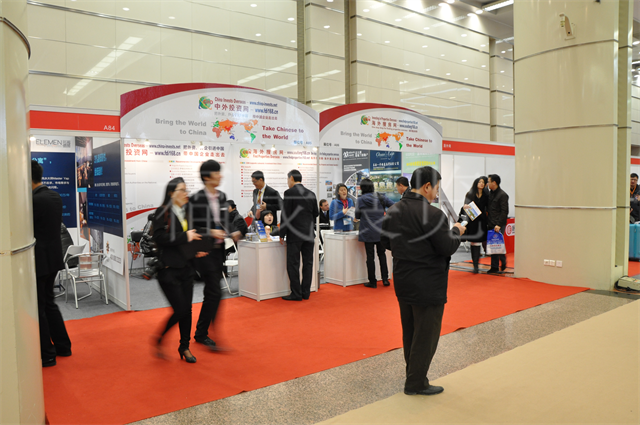
The Malaysia My Second Home (MM2H) program, one of the most attractive long-term residency programs in Southeast Asia, has always attracted the attention of global investors. Since its restart and significant upgrade, the program has rapidly become the preferred option for middle-class families seeking overseas residency planning, asset allocation, and children’s education, thanks to its more flexible application requirements, clearer permanent residency guidance, and richer resource support. Data shows that the restarted MM2H program attracted over 5,900 applications in just one year, with Chinese applicants accounting for over 70%, and capital inflows increasing by 84% year-on-year. This data directly demonstrates market confidence in Malaysia. Core Policy Adjustments: Lower Thresholds, Enhanced Benefits The biggest highlight of the restarted MM2H program is its flexible “deposit + property purchase” combination model. The policy is divided into four categories to cater to different needs: Financial Special Zone Group, Silver Group, Gold Group, and Platinum Group. Taking the Silver Group, favored by Chinese families, as an example, applicants only need to deposit US$150,000 (approximately RMB 1.08 million) in a fixed deposit and purchase property worth RM600,000 (approximately RMB 930,000) in any city in Malaysia to obtain a 5-year long-term residency visa for their entire family. After the deposit is approved, 50% can be withdrawn for education, medical care, or property purchase. The Financial Special Zone Group further lowers the threshold: depositing US$65,000 (approximately RMB 450,000) and purchasing property worth RM500,000 in designated areas (such as Forest City) grants a 10-year visa. This tiered design caters to young families with limited budgets while also providing a permanent residency-oriented Platinum Group option for high-net-worth individuals. Depositing RM2 million (approximately RMB 3.3 million) and purchasing property worth RM2 million grants a 15-year visa and allows business operations in Malaysia. Triple Advantages of Education, Taxation, and Asset Allocation The…
 16/01/2026
As the domestic real estate market enters a “slow cycle,” overseas properties, with their characteristics of risk diversification, stable rental income, and asset preservation, have become a “new blue ocean” for high-net-worth individuals’ asset allocation. From tropical beaches in Southeast Asia to historic cities in Europe, from technology hubs in North America to livable communities in Australia, the global real estate market offers investors a wealth of choices. However, legal differences, market volatility, and cultural barriers between countries make “choosing the right project” a skill. How to sift through a sea of options to find truly promising targets? The answer lies in the details of urban planning, population flow, rental returns, and risk management. Mastering these core logics is essential to accurately capture opportunities in global investment and achieve steady wealth growth. Urban Development Potential: Follow the “Growth Pole,” Avoid the “Shrinking” Trap The primary principle for choosing overseas real estate is to “bet on the city’s future.” Prioritize core cities, economic corridors, or emerging industry clusters in target countries or regions. These areas often benefit from policy support, infrastructure investment, and population inflows. For example, Bangkok and Ho Chi Minh City in Southeast Asia have seen sustained strong housing demand due to manufacturing relocation and the rise of the middle class; Berlin and Barcelona in Europe have experienced rising house prices and rents thanks to the recovery of the technology industry and tourism. Conversely, investing in “shrinking cities” experiencing population outflow and industrial decline may result in high vacancy rates, slow appreciation, or even depreciation. One investor purchased property in Detroit, but due to the relocation of the local auto industry leading to a sharp population decline, the property value ultimately shrank by 60%, and rental income could not cover maintenance costs. Democracy Structure and Demand: Capitalizing on the…
 15/01/2026
In the wave of global asset allocation, Dubai, with its unique policy advantages, robust economic growth, and continuous population inflow, is becoming a “value haven” in the eyes of global investors. The real estate market of this Middle Eastern business hub is undergoing a profound transformation from an “investment hotspot” to a “long-term asset allocation destination,” opening a window for investors that combines profitability and security. The attractiveness of Dubai’s real estate market stems first from its “zero-burden” policy framework. As one of the few regions globally with a freehold ownership system, buyers do not need to worry about expiration dates and there are no property taxes, land taxes, or other holding costs. Coupled with a registration fee of only 4%, the investment threshold is significantly lowered. More importantly, the “Golden Visa” policy continues to be upgraded—purchasing a property worth 2 million dirhams (approximately 4 million RMB) grants a 10-year residency permit, with down payments for off-plan properties reduced to 0%, and visa applications based solely on the contract. This policy not only attracts high-net-worth individuals but also makes real estate a preferred tool for obtaining a “second citizenship.” Data shows that since the policy’s implementation, Dubai has issued over 250,000 Golden Visas, directly boosting the proportion of owner-occupier buyers to 50% of transactions, shifting market demand from speculation to genuine residential needs. Economic diversification is the cornerstone of Dubai’s real estate market. While most global economies rely on a single industry, Dubai has built a multi-pronged economic system driven by finance, logistics, tourism, technology, and new energy. In 2024, non-oil industries accounted for over 75% of GDP, and the UAE’s overall non-oil foreign trade grew by over 24.5%, providing solid support for the real estate market. Emerging areas such as the Dubai Canal Corridor and the Dubai Archipelago have…
 14/01/2026
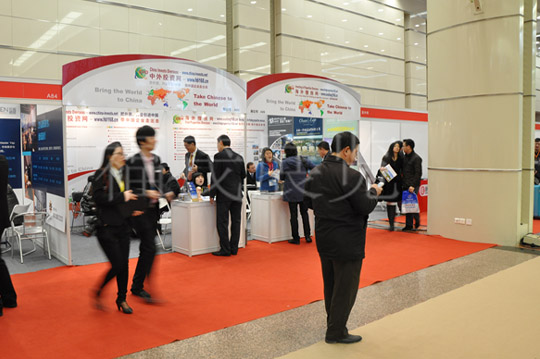
In today’s environment of abundant information channels, many people ask: Is it really necessary to attend investment expos in person? With so much information online—reading news, browsing updates, and listening to live streams—it seems like you can learn a lot about investments. But actually attending an investment expo offers a completely different experience. Investment expos bring together project owners, investors, service providers, and policy information in a single space, creating a “high-density information field.” For investors, this is not just about viewing projects and listening to presentations, but also an opportunity to comprehensively understand market trends, validate judgments, and expand networks. Especially for ordinary and small-to-medium-sized investors, investment expos provide a relatively low-barrier, comparable, and communicative environment. What Investment Projects and Directions Can You Access All at Once? One of the biggest opportunities at investment expos is the concentrated display of projects. Projects from different fields and at different stages will be showcased at the same expo, covering multiple directions such as the real economy, technological innovation, consumption upgrades, and financial services. For investors, this concentrated display allows them to quickly understand market hotspots and areas of capital focus, without having to travel around. Even if they don’t invest immediately, they can develop a holistic understanding of industry trends by comparing different projects. Can I more directly assess the true nature of a project? Many investment opportunities online appear “perfect,” but lack authenticity. Expos offer face-to-face opportunities, allowing investors to communicate directly with project leaders and observe the team’s performance, communication skills, and professionalism. On-site Q&A and interaction often uncover details not found in promotional materials, which is extremely helpful in determining a project’s reliability. Will I have access to policies and authoritative information? Many investment expos invite relevant departments, industry associations, or research institutions to participate, providing…
 14/01/2026
In the real estate investment field, rental yield is a crucial indicator for measuring investment value. For investors seeking stable returns, identifying which U.S. cities offer the highest rental yields has become a focal point. From small towns in the Texas prairie region to small cities in New York State, and college towns in Florida, numerous investment opportunities with astonishing rental yields lurk across the United States. Texas, with its low housing prices and high rental yields, has become a highly sought-after destination for investors. Wichita Falls, a small town in the North Texas prairie region, boasts one of the highest rental yields in the nation thanks to its affordable housing prices and substantial rental returns. Here, a property valued at $84,000 can command a median rent of $938, resulting in a 13.4% return on investment. This high return is attributed to the local diversified economy; oil production and agriculture provide stable employment opportunities, while the nearby air force base generates a steady stream of rental demand. Lubbock, another Texas city, similarly attracts investors with its high rental yields. Lubbock, home to Texas Tech University and abundant oil and gas resources, boasts home prices at just $111,000, while the median rent reaches $1,089, resulting in an 11.8% return on investment. For investors seeking long-term, stable returns, Lubbock is undoubtedly an ideal choice. Turning our attention to New York State, Schenectady, another small city, is equally noteworthy. As the ninth largest city in New York, Schenectady offers home prices at just $153,000, while the median rent is a substantial $1,275, yielding a 10% return on investment. Tenants here are primarily students from Union College and employees of General Electric, providing investors with stable rental income. Gainesville, Florida, with its unique college town attributes, represents a high-yield rental market. Home to the…
 13/01/2026
Many people think of attending an exhibition simply as: buy a ticket, go to the venue, and wander around. However, a truly good experience often comes from advance preparation. Whether you’re a general visitor, an industry professional, or a businessperson with purchasing or research purposes, good preparation saves time, avoids unnecessary detours, ensures you see truly valuable content, and helps you seize on-site offers and opportunities. Exhibitions are crowded and information-heavy; without a clear goal, it’s easy to get lost and confused. Without proper equipment, you risk exhaustion or missing key events. Lack of etiquette and communication skills can negatively impact subsequent networking. Preparation isn’t complicated; it mainly involves clearly listing the “essential items,” allocating your time and energy effectively, anticipating potential problems, and reserving solutions. Advance Registration and Confirmation of Participation Information Many exhibitions require online booking or real-name registration. Advance registration avoids queuing on-site. After registration, be sure to confirm your visit date, opening and closing times, time slots, and whether you have received your ticket/QR code. Pay attention to emails or official WeChat account notifications from the organizer, noting the exhibition hall address, entrance, and required identification (some exhibitions require ID cards or work permits). If the exhibition includes forums or breakout sessions, register for these activities in advance to secure your seat. Define your visiting objectives and create a must-see list Don’t just “see everything” on-site. First, clarify your objectives: To learn about industry trends? To find partners? To see new products? Or simply to broaden your horizons? Based on your objectives, create a “must-see list,” marking key booths, forums, and time slots. Prioritize items on the list, seeing the most important ones first, and adding the rest as time allows, avoiding a rushed visit. Plan your itinerary and routes Check the exhibition hall…
13/01/2026
Driven by the global popularization of higher education and the surge in demand for cross-border study abroad, overseas student accommodation is transforming from a niche investment into a new darling of the capital market. From smart apartments near the City of London to shared communities around the University of Sydney, these assets attract the attention of insurance funds, family offices, and individual investors due to their stable cash flow, counter-cyclical characteristics, and capital appreciation potential. However, behind their “stable” label lies a complex web of variables, including supply and demand dynamics, operational challenges, and regional differentiation. Investors need to see beyond the surface and find the answer in balancing returns and risks. The “stable” nature of student accommodation is primarily reflected in the resilience of rents supported by rigid demand. The commercialization of international education has driven the continuous growth in the number of international students worldwide. In English-speaking countries, for example, non-native students generally account for more than 20%, while university-owned accommodation coverage is less than 30%, directly creating a huge off-campus accommodation market. For instance, weekly rents for student accommodation in central London can reach over £350, with an average annual increase of 4%-6%, far exceeding the growth rate of ordinary residential rents. More importantly, students are less sensitive to rent and prioritize location and convenient amenities—apartments near subway stations, supermarkets, and libraries maintain occupancy rates above 95%, even with rents 10%-15% higher than market rates. This “rigid demand” allows student apartments to maintain stable returns during economic downturns, serving as a “safety net” for investors navigating economic cycles. Deep capital involvement further amplifies the investment value of student apartments. The accelerated deployment of private equity funds and REITs is upgrading the traditional “bedroom business” into an “experience economy.” Greystar, the largest student apartment operator in the US,…
 12/01/2026
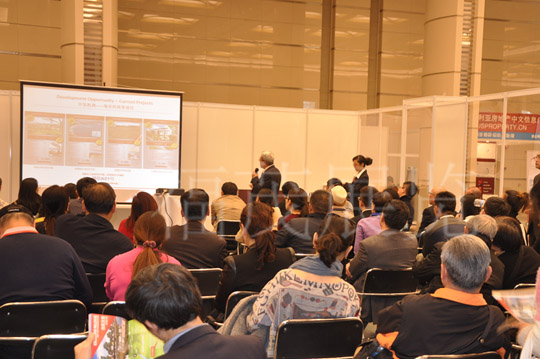
For many general visitors, attending trade shows is both novel and somewhat overwhelming. Trade shows are large-scale, crowded, and have densely packed booths. Without advance preparation, it’s easy to get tired halfway through, see a lot but remember nothing, or even miss truly interesting content. This is especially true for large-scale expos or industry exhibitions; after a day of walking around, not only are your legs sore, but you may also experience information overload. Actually, attending trade shows isn’t about “walking around as much as possible and seeing as much as possible,” but rather about visiting with a focus and pace. Even for general visitors, paying a little attention to key steps like registration and planning can significantly improve the experience. Register in Advance and Understand Entry Methods The first step in attending a trade show is often not arriving on-site, but registering in advance. Most trade shows now use online reservations or real-name registration, and some require obtaining e-tickets in advance. When registering, general visitors should pay attention to the opening hours, the date of their visit, and whether there are time slots for entry. Registering in advance not only avoids queuing on-site but also ensures you receive timely notifications and event schedules, providing a foundation for your subsequent planning. For popular exhibitions, the earlier you register, the better, to avoid limited spots closer to the opening date. Understand Exhibition Information and Clarify Your Visiting Purpose Before planning, take some time to understand the basics of the exhibition, such as its theme, main exhibition areas, and whether it’s geared towards professionals or the general public. Ordinary visitors don’t need to “see everything,” but rather to clarify what they most want to see: new products, technological experiences, or lifestyle displays. Having a general goal allows you to select key…
 Number
Call Now:
139 1723 4508
 WeChat
 Form
FormBook Your Booth
Complete your information immediately and provide you with exclusive services!
Back to Top

