-
Whatsapp
+1 689 248 1956 -
Email
joannewong0817@gmail.com

 16/06/2026
As global mobility continues to increase, more families are exploring immigration planning to achieve residency changes, educational upgrades, or asset diversification. However, different countries offer very different immigration systems—some focus on investment, some on skilled labor, and others provide relatively simple residency programs. There is no single “easiest country to immigrate to”; the answer depends largely on individual financial capacity, background, and long-term goals. European Countries: Lower Thresholds and Flexible Residency Options Several European countries attract applicants with relatively lower investment requirements and clearer residency pathways, making them popular among those seeking faster access to overseas residency. Greece offers residency through property purchase with relatively low investment requirements, suitable for those with limited budgets seeking access to Europe Portugal previously had a popular Golden Visa program and still provides alternative routes such as fund-based investment options Spain requires higher real estate investment but offers strong lifestyle quality and educational resources While procedures are relatively straightforward, strict compliance and source-of-funds checks still apply. American Countries: Investment-Driven Immigration Routes Immigration systems in the Americas are generally tied closely to financial investment, making them more suitable for individuals with stronger financial capacity and long-term planning goals. The U.S. EB-5 program requires significant investment but offers a pathway to a green card Some Canadian Provincial Nominee Programs require investment experience or business operation backgrounds Mexico offers relatively lower-barrier residency options, often used as a transitional choice This region is generally structured around economic contribution-based immigration models, with varying timelines and investment levels. Asia and Oceania: Flexible Yet Structured Systems Countries in Asia and Oceania offer diverse immigration pathways, including skilled migration, investment options, and residency programs suitable for long-term living and education planning. Australia has a well-developed skilled migration system with clear language and occupation requirements New Zealand provides both skilled and…
 11/06/2026
In recent years, as global asset allocation and residency planning continue to grow in popularity, “property-based immigration” has become an attractive option for many families. However, the most common question remains: how much does it actually cost? In reality, the required investment varies significantly by country and policy. Beyond the property price itself, additional costs such as taxes, legal fees, and long-term maintenance expenses must also be considered. Understanding the full cost structure is far more important than focusing only on the listed property price. Basic Investment Thresholds in Different Countries The core of property-based immigration lies in the required real estate investment amount, which varies widely from tens of thousands of euros to over one million US dollars depending on the country. Portugal’s Golden Visa previously required around €280,000–€500,000 in real estate investment (now mainly shifted to fund-based options under policy changes). Greece currently offers one of the lowest thresholds in Europe, starting at around €250,000 for residency eligibility. Spain generally requires a real estate investment of €500,000 or more, making it suitable for mid-to-high budget investors. The United States does not directly offer immigration through property purchase, but the EB-5 program typically requires $800,000–$1,050,000 in investment funds. As shown, entry-level costs vary significantly, making country selection the first and most important budgeting decision. Hidden Costs Beyond Property Prices Many investors focus only on the purchase price, but in reality, the total cost includes several additional expenses that can significantly increase the budget. Property taxes and transaction taxes, which vary widely by country and can be substantial in some regions. Legal and notary fees required to ensure property ownership legitimacy and transaction security. Agency or developer service fees, which may be fixed or percentage-based depending on the market. Currency exchange costs and exchange rate fluctuations, which can affect…
 01/06/2026
When considering overseas residency or citizenship planning, many people are attracted to investment immigration programs but are also concerned about the risks involved. In reality, investment immigration is both an immigration strategy and a financial investment, meaning that risks and opportunities often coexist. Different countries, programs, and investment models come with varying levels of risk. For applicants, understanding potential risks, verifying project legitimacy, and planning finances carefully are often more important than simply focusing on the minimum investment amount. What Are the Main Risks of Investment Immigration? Investment immigration is not simply about investing money; it involves policies, investment performance, and application procedures, all of which require careful evaluation. Project performance may not meet expectations, affecting the timeline for recovering invested funds. Immigration policies may change due to economic or political factors, impacting eligibility requirements. Exchange rate fluctuations can increase the actual cost of investment. Some unregulated agencies may provide misleading information or exaggerated promises. Understanding these risks is an important first step in investment immigration planning. The better you identify potential issues in advance, the more informed your decision-making will be. What Factors Affect the Success Rate of Investment Immigration? Although most investment immigration programs have clear eligibility requirements, several factors can influence the final outcome of an application. Whether the source of funds can be fully documented and legally verified. Whether the chosen investment project complies with local immigration regulations. Whether application documents are complete, accurate, and meet official requirements. Many unsuccessful applications are not caused by insufficient funds but by incomplete documentation or poor project selection. How Can You Reduce Investment Immigration Risks? While risks cannot be eliminated entirely, they can be significantly reduced through proper planning and due diligence. Prioritize countries and programs with mature policies and strong market reputations. Conduct thorough research on…
 27/05/2026
Against the backdrop of increasing global asset allocation and residency planning, “buying property for immigration” has become a popular option for many families. Compared with skilled immigration or entrepreneurial immigration, property-based immigration appears more straightforward: by purchasing real estate of a certain value, applicants may obtain residency or even long-term legal status. However, policies vary significantly from country to country. Some have tightened or even canceled such programs, while others still offer them with additional conditions. Therefore, understanding which countries allow immigration through property purchase is an important step before overseas investment planning. Which European Countries Allow Immigration Through Property Purchase? Europe is one of the most concentrated regions for property-linked residency programs, but rules differ widely across countries. Greece allows residency permits through real estate investment that meets a minimum threshold, making it relatively accessible Spain offers a Golden Visa through property purchase, but requires a higher investment amount and policies may change over time Portugal was once a popular destination for property-based immigration, but the policy has been tightened and only limited routes remain Malta combines property investment with donations to obtain residency or citizenship, but the overall cost is relatively high Which Asian Countries Are Linked to Property-Based Residency? Asian countries generally offer residency or long-term visa schemes rather than direct immigration through property purchase. Thailand provides retirement visas or long-term stay options, but property ownership alone does not grant residency Malaysia’s “Malaysia My Second Home” program allows long-term residency through asset or financial proof Japan and South Korea may support residency applications linked to property investment, but require income or stay conditions Singapore does not offer immigration through property purchase, though real estate investment may support long-term planning Property Immigration Options in the Americas and the Caribbean Some countries offer relatively fast citizenship or…
23/05/2026
With the acceleration of global mobility and increasing international asset allocation, immigration has evolved beyond simply changing residency—it has become a comprehensive strategy for family planning and wealth structuring. Among the most common pathways, investment immigration and skilled immigration are two fundamentally different approaches. One is capital-driven, while the other is ability-driven. Many people wonder which one is better, but there is no universal answer. The right choice depends on financial capacity, professional background, time cost, and long-term life goals. What Is Investment Immigration? Who Is It Suitable For? Investment immigration is a pathway that grants residency or citizenship through financial investment. A capital-for-status model Applicants typically obtain residency by purchasing real estate, funds, or government bonds that meet a required investment threshold. Relatively straightforward approval process It usually does not require high language proficiency or academic qualifications, but focuses on the legality of funds. Suitable for high-net-worth individuals and business owners It is ideal for people with sufficient capital but limited time. Often includes asset allocation opportunities Some countries allow real estate investment as part of the immigration process. What Is Skilled Immigration? Who Is It Suitable For? Skilled immigration is based primarily on an individual’s professional qualifications and capabilities. Core evaluation based on skills and education Factors include age, education level, work experience, and language ability. Lower financial requirements Compared to investment immigration, it requires less capital but is more competitive. Best suited for young professionals Fields such as IT, engineering, healthcare, and education are highly favored. Point-based selection systems Countries like Canada and Australia use ranking systems to evaluate applicants. Investment Immigration vs Skilled Immigration: Key Differences The two pathways differ significantly in structure and logic. Cost structure differences Investment immigration requires significant capital, while skilled immigration relies mainly on personal qualifications. Processing time differences…
 23/05/2026
In the context of globalization and cross-border development, more and more families and individuals are focusing on immigration planning. Different immigration pathways, such as investment immigration, skilled worker immigration, student immigration, and family reunification, differ significantly in application requirements, financial requirements, and approval processes. Due to fragmented information, it is difficult to fully understand all types of immigration. Immigration expos present immigration programs from multiple countries in a concentrated manner, allowing visitors to compare and consult with on-site to more intuitively understand the characteristics and target audiences of different immigration types, thereby improving their overall planning capabilities. Multinational projects highlight variations in migration patterns across different countries Different immigration types are displayed together. The Immigration Expo covers various types, including investment immigration, skilled worker immigration, and student immigration. It facilitates horizontal comparison for visitors. Visitors can intuitively see the financial requirements, conditions, and processes for various immigration types. This approach helps build basic understanding. Diverse displays make immigration types clearer. On-site Explanation of Application Requirements and Processes Face-to-face communication enhances understanding. Program representatives or consultants at the expo will explain the application requirements and approval processes for different types of immigration in detail, reducing the risk of misunderstanding. Visitors can directly inquire about details such as visa requirements, financial considerations, and language requirements; this interaction enhances practical understanding. The on-site explanation made the process clearer. Comparative analysis helps in choosing the right type Horizontal analysis strengthens judgment. Different immigration types differ in funding, time, and policy applicability. It’s necessary to select based on individual circumstances. Investors can determine the most suitable immigration type based on their target country and family needs. This approach optimizes decision-making, and comparative analysis makes choices more rational. Through the immigration expo, visitors can quickly learn about various immigration types and their characteristics,…
 21/05/2026
In today’s increasingly globalized world, more and more families are considering child education immigration as part of their long-term financial planning and lifestyle strategy. Unlike simple residency or travel convenience, parents are now focusing on education quality, university pathways, language environment, and future career opportunities for their children. Different countries offer very different education systems and immigration policies—some are known for world-class universities, while others attract families with affordable education, stable immigration routes, or high-quality public schooling. Choosing the right destination is therefore not just an immigration decision, but a long-term investment in a child’s future. Most Popular Countries for Education Immigration Worldwide Different countries stand out due to their education systems and immigration accessibility. Canada Canada is widely regarded as one of the top destinations for education-focused immigration. It offers a stable education system, high-quality universities, and relatively flexible immigration pathways. Children can benefit from a complete public education system from primary school to university. Australia Australia provides a well-developed public education system and globally ranked universities. With a safe and livable environment, many families choose Australia through skilled migration or investment-based immigration routes. United States The U.S. has the largest number of top-tier universities in the world, including the Ivy League system. However, education costs are significantly higher, making it more suitable for families with stronger financial capacity or long-term planning. United Kingdom The UK offers a historic and well-structured education system. It provides clear academic progression from primary education to university, making it ideal for families targeting international academic pathways. Popular Education Immigration Options in Asia and Europe Beyond traditional English-speaking countries, several emerging destinations are gaining popularity. Singapore Singapore combines Eastern and Western education advantages. It has a strong academic foundation, high-performing schools, and cultural and geographical proximity to many Asian families. Germany Germany is…
 16/05/2026
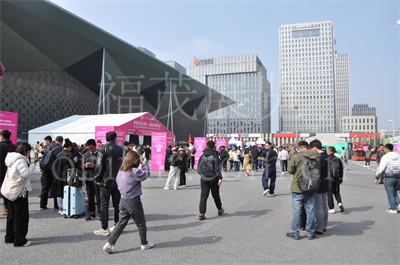
In the immigration planning process, the policy systems, application requirements, and living costs of different countries vary significantly, and information from a single source is often insufficient to support a complete decision. Many applicants are more concerned with how to compare multiple options to find a path more suitable for their own background. Immigration expos present immigration programs from multiple countries in a concentrated manner, and through on-site explanations and consultations, allow visitors to systematically compare different options in the same setting, thereby improving selection efficiency. The centralized presentation of projects from multiple countries provides a basis for comparison Different immigration programs are presented on-site. Immigration expos typically bring together multiple pathways such as investment immigration and skilled worker immigration, allowing visitors to understand multiple countries’ programs at once. Concentrated information facilitates horizontal comparison; the differences in application requirements and conditions between different countries can be clearly seen in the same exhibition. This approach establishes a basic comparative framework. On-site Consultation Enhances Understanding of Program Differences Face-to-face communication improves information clarity. Immigration consultants will explain in detail the policy characteristics, processing times, and suitable target groups of each country. Visitors can ask questions based on their own situation to obtain more precise advice. This communication enhances the depth of comparison. Multidimensional analysis helps in selecting the optimal path Horizontal comparison improves decision-making efficiency. Different immigration programs differ in cost, timeframe, and success rate; comparison makes it easier to determine their merits. Choosing a program based on one’s own needs, family structure, budget, and long-term planning all influence the final selection. This approach optimizes the decision-making process. In the overall experience of the immigration expo, comparing multiple programs is not simply a matter of information overload, but rather a gradual formation of a systematic understanding through centralized displays,…
 28/04/2026
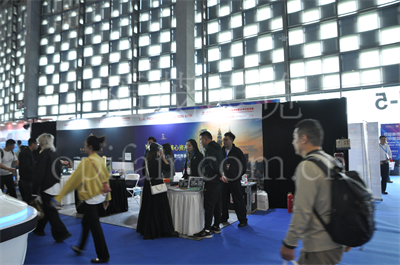
When planning immigration, many individuals face challenges such as fragmented information sources and unclear policy understanding, as application requirements, processing timelines, and target demographics vary significantly across countries. Relying solely on scattered information can easily lead to confusion. The Immigration Expo consolidates immigration programs and policy details from multiple countries, enabling visitors to gain a clearer understanding of the differences between various pathways through on-site consultations and comparative discussions—all in one centralized environment, thereby enhancing the clarity of their overall planning. The centralized display makes migration routes more intuitive The simultaneous presentation of multiple country programs facilitates comparison. Immigration expos typically bring together various types of immigration, such as investment immigration and skilled immigration, allowing visitors to learn about different pathways at once. Reduces Confusion Caused by Scattered Information: Comparing policies from different countries within the same expo helps quickly establish a basic understanding framework. This approach provides clearer direction. On-Site Consultation Supplements Key Policy Details Face-to-face communication makes information more concrete. Exhibiting organizations will explain application requirements, processing times, and cost structures in detail. Interactive interaction improves the accuracy of understanding, and consultations tailored to individual circumstances allow for a clearer determination of the appropriate option.This method reduces comprehension bias. Multidimensional comparison helps optimize planning paths Horizontal analysis improves decision-making efficiency. Comparing immigration policies of different countries within the same environment makes it easier to identify differences. Selecting immigration options based on one’s own circumstances, family needs, budget, and long-term plans allows for more rational planning. This approach makes planning more rational. In the overall experience of the immigration expo, information is no longer acquired in fragmented ways, but rather gradually forms a structured understanding through centralized display and exchange. Visitors can access immigration pathways from multiple countries in a short period and continuously refine their…
 20/04/2026
When planning their immigration, many people not only focus on policies and application requirements but also pay close attention to the living environment of their destination country, such as the quality of education, healthcare system, cost of living, and social atmosphere. However, relying solely on online information or scattered introductions often fails to provide a comprehensive understanding. Immigration expos, by showcasing immigration programs and lifestyle information from multiple countries and regions in a unified setting, allow visitors to quickly gain a more intuitive comparison and understanding, thus making a more systematic judgment on whether long-term residence and development are suitable. Multiple Country Showcases Highlight Differences in Living Environments Concentrated Information Makes Comparisons More Intuitive. Immigration expos typically cover programs from multiple countries and introduce basic information such as local education, healthcare, employment, and cost of living. Visitors can quickly compare the living conditions and residential characteristics of different countries in a single setting. This approach makes the differences more clearly visible. On-Site Consultations Provide Real-Life Details Exchanges Make Information More Specific and Credible. By communicating with immigration consultants or agencies, you can learn about the local community environment, climate characteristics, and convenience of life. Interactive learning enhances information depth: Asking questions tailored to individual needs helps determine if one is suited to the local lifestyle. This communication brings understanding closer to reality. Multi-dimensional information aids in holistic judgment It goes beyond focusing on a single factor, employing a comprehensive evaluation. Exhibition information typically covers policy conditions and living environments, allowing visitors to conduct overall comparative analysis. A holistic perspective improves judgment quality: Combining family needs with long-term planning allows for a more rational choice of a suitable country to live in. This approach makes decision-making more comprehensive. In the context of immigration expos, the living environments of…
 Number
Call Now:
139 1723 4508
 WeChat
 Form
FormBook Your Booth
Complete your information immediately and provide you with exclusive services!
Back to Top

