
-
Whatsapp
+1 689 248 1956 -
Email
joannewong0817@gmail.com

 17/01/2026
When considering immigration, more and more families, besides economic factors, living environment, and career development, are primarily concerned with their children’s education. Many parents hope that immigration will allow their children to enjoy higher-quality educational resources, broaden their horizons, and cultivate international skills. However, the actual impact of immigration on children’s education is not simply “good” or “bad,” but involves multiple aspects such as the school system, teaching methods, language environment, curriculum content, university application strategies, and social environment. The changes brought about by different countries, cities, and school systems vary, and parents need to fully understand these aspects before making a decision in order to plan their children’s educational development path. Differences in Educational Systems and Academic Models After immigrating, children usually need to adapt to an education system different from their home country. For example, North American education emphasizes inquiry-based learning and critical thinking, requiring students to actively participate in classroom discussions and complete project assignments; some European countries emphasize a balance between academic foundations and practical skills; while some developed Asian countries still emphasize classroom knowledge and exam scores. Changes in academic models mean that children not only need to adapt to new textbooks and curriculum structures, but also need to develop independent learning abilities and time management skills. In the long run, the diversity of this educational model helps children develop well-rounded learning abilities, but short-term adaptation may require some transition and guidance. Changes in Language Environment Immigration means children will be placed in a new language environment, which directly impacts language skills and cognitive development. Native language proficiency may be strengthened or weakened, while foreign language skills will improve rapidly. Bilingual or multilingual environments can enhance children’s expressive and cross-cultural communication abilities, but may also lead to language learning pressure or academic…
 17/01/2026
When discussing immigration, age is indeed a significant factor influencing success rates and subsequent adaptation. Young people, principal family applicants, middle-aged professionals, and retirees all encounter different situations regarding immigration pathways, processing speed, language adaptation, and career development. Many people mistakenly believe that “older people have no chance” or “younger people have an easier time,” but the key lies in specific policies, immigration types, and individual circumstances. The Relationship Between Age and Immigration Policies Most countries’ skilled worker or points-based immigration programs consider age as a crucial scoring factor. For example, the skilled worker immigration systems of Canada, Australia, and New Zealand set an optimal age range for applicants, typically around 25 to 35 years old. The older one gets, the lower the score may become, and the more difficult the approval process may be. Family or investor immigration programs have relatively more lenient age restrictions, but may still indirectly affect aspects such as children’s education, health checkups, or retirement planning. Advantages of Young Applicants Younger applicants typically have advantages in skills assessment, language proficiency, and educational recognition. They adapt to new environments more easily, learn foreign languages, integrate into society, and have more time to accumulate experience in their careers. Furthermore, young people applying for skilled migration can obtain more points and priority in the approval process. For families, younger parents also mean that the cost of education for their children is manageable, and their children are more likely to adapt to the education system of the new country. Considerations for Middle-Aged Applicants Middle-aged applicants, especially those between 30 and 45 years old, face a decrease in points for skilled migration and higher requirements for professional experience. However, people in this stage usually have stable jobs, rich experience, and certain assets, which is an…
 17/01/2026
As globalization drives asset allocation and lifestyle upgrades, investment immigration has become a crucial tool for high-net-worth individuals to achieve wealth transfer, education planning, and risk diversification. From North America to Europe, from Oceania to the Caribbean, while investment immigration policies vary across countries, their core objective remains the same: to provide specific groups with a dual solution of “status + assets.” This article will analyze the suitability logic of investment immigration through five typical group profiles to help you determine if you are an “ideal applicant.” Business Owners and High-Net-Worth Individuals: A “Stepping Stone” for Globalization For business owners, investment immigration is not only an upgrade of personal status but also a key part of their company’s internationalization strategy. By obtaining overseas status, business owners can overcome trade barriers, establish subsidiaries or regional headquarters in target markets, and enjoy local tax incentives and policy support. For example, a Chinese manufacturing entrepreneur successfully entered the Southeast Asian market by obtaining investment immigration status in a certain country, participating in government bidding as a local company, resulting in a 300% increase in orders. Simultaneously, overseas status can provide a “firewall” for asset allocation—by transferring some assets to politically stable and legally sound countries, the risks of a single market can be effectively mitigated, achieving wealth preservation and appreciation. High-net-worth individuals place greater emphasis on the “tax optimization” function of investment immigration. Certain countries’ non-global taxation, inheritance tax exemptions, or low corporate income tax policies can significantly reduce their tax costs and increase their net asset returns. Children’s Education Planners: Upgrading the Path from “Study Abroad” to “Status” Education is one of the core driving forces of investment immigration. Under the traditional study abroad model, students face work visa restrictions after graduation, while investment immigration provides long-term guarantees for children’s education through…
 14/01/2026
Investment immigration is not only a global asset allocation strategy but also a crucial decision for family future planning. The timing of the application process requires consideration of the cyclical fluctuations in the target country’s immigration policies, as well as a comprehensive assessment of personal assets, family needs, and market conditions. From Hong Kong to the United States, from Singapore to the United Kingdom, the policy dynamics and application timings of major global immigration destinations together constitute the “time code” for investment immigration. The optimization cycle of Hong Kong’s investment immigration policy provides investors with a clear “time anchor.” Since its resumption, Hong Kong has continuously lowered the threshold through multiple rounds of policy adjustments. For example, the investment threshold for residential properties has been reduced from HK$50 million to HK$30 million, while the upper limit for non-residential properties included in the investment has been raised to HK$15 million. Such policies are typically implemented gradually after the government’s policy address is released, creating a peak application period of 3-6 months. For example, in the three months following the policy adjustment in September 2025, the number of applications received by the Hong Kong Immigration Department increased by 40% month-on-month, with a corresponding increase in the approval rate. For applicants meeting the asset requirements (holding HK$30 million in net assets for six consecutive months), the first quarter after the policy takes effect is the optimal window of opportunity—the approval process is more efficient at this time, and priority can be given to selecting high-quality investment targets, avoiding asset premiums caused by increased competition later. The “policy bonus period” for US investment immigration is strongly correlated with the backlog of applications and the validity period of the legislation. The “grandfather clause” of the EB-5 investment immigration program stipulates that investors who submit their…
 13/01/2026
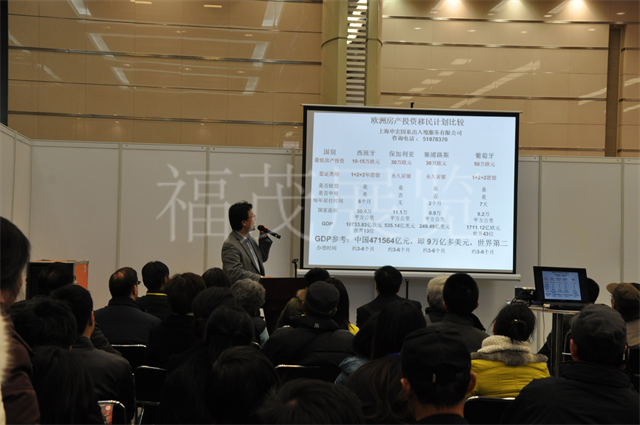
Against the backdrop of growing global demand for asset allocation and residency planning, investment immigration has become an important pathway for many families to achieve multiple goals, including education, healthcare, and freedom of movement. However, immigration policies vary significantly across countries, with thresholds ranging from tens of thousands to millions of US dollars. Choosing the most cost-effective and manageable project is crucial. Considering the policies, costs, and application requirements of major global immigration countries, the following countries have become popular choices in the current investment immigration market due to their low thresholds, high flexibility, and clear legal support. Portugal is considered the “king of cost-effectiveness” for European immigration. Its investment immigration program, with a minimum investment of €500,000, is a preferred option for middle-class families seeking EU residency. Applicants need to invest in a government-approved fund, and the principal can be redeemed after 5 years. No long-term residency is required; only a 7-day stay per year is needed to meet the citizenship requirements. Even more attractive is the high value of the Portuguese passport, granting visa-free access to 187 countries, including major countries like the US and UK, and children can enjoy high-quality EU education resources. For families seeking “immigration without relocation,” Portugal’s relaxed policies and high degree of freedom are a perfect match. With budgets further reduced, the Greek real estate investment immigration program, which initially attracted many investors with its low threshold of €250,000, has seen prices rise to €500,000 in some areas, while others have maintained their original price. After purchasing property, the entire family can obtain a five-year residency permit, and the property can be rented out for stable income, with rental returns of approximately 4%-6%. Greek citizenship requirements are relatively lenient; applicants only need to hold property for seven years and pass a language test,…
 10/01/2026
Immigration applications are a “long-term battle” requiring meticulous planning and thorough preparation, with document preparation being a crucial factor in determining success or failure. Whether it’s skilled worker immigration, investor immigration, or family reunification immigration, clear, complete, and compliant application materials can significantly improve processing efficiency and even directly influence the application outcome. From personal identification documents to bank statements, from educational credentials to work experience, each document is like a piece of a puzzle, indispensable and precisely aligned with the immigration authorities’ requirements. The core of document preparation is “precise matching.” Different countries and different immigration categories have significantly different document requirements. For example, skilled worker immigration typically requires language proficiency scores, skills assessment reports, and proof of work experience; investor immigration requires statements of asset origin, business plans, and tax records; and family reunification immigration requires notarized documents proving kinship and proof of financial support. Applicants must first understand the immigration policies of their target country, carefully study the official document checklist, and even consult with professional immigration advisors to ensure that no crucial documents are omitted. For example, Canada’s Federal Skilled Worker Program requires applicants to provide proof of work experience over the past 10 years, while Australia requires a visa assessment of educational qualifications. Failure to understand these details beforehand may result in application rejection or delays. The authenticity and consistency of documents are crucial. Immigration authorities are extremely strict in reviewing false documents. If forgery or exaggeration is discovered, the consequences can range from visa refusal to long-term bans. For instance, proof of funds must clearly demonstrate the legality of every large transfer; if gifts or inheritances are involved, notarized documents or legal documents are required. Work experience must be corroborated by social security records, tax returns, and letters of recommendation to avoid inconsistencies in…
 08/01/2026
When considering studying, working, or living abroad long-term, many people hear two common terms: “immigrant countries” and “non-immigrant countries.” However, when asked about the actual differences, many are unclear. Some believe that simply staying abroad long-term constitutes immigration; others think all developed countries are suitable for immigration. This ambiguity easily leads to missteps in future planning. “Immigrant countries” and “non-immigrant countries” reflect a country’s overall attitude and system towards immigrants. They differ significantly in visa policies, residency systems, methods of obtaining citizenship, and social inclusiveness. Different Basic Attitudes Toward Immigrants The most fundamental difference lies in the national-level attitude towards “settled immigrants.” The Attitude of Immigrant Countries Immigrant countries are countries composed of immigrants or highly dependent on immigrants for development. From the outset, their systems are designed to allow immigrants to settle long-term and integrate into society. Attitudes of Non-Immigrant Countries Non-immigrant countries place greater emphasis on their own population structure and cultural continuity, primarily targeting foreign visitors for short-term study, work, or exchange, rather than focusing on immigration as their main objective. Pathways to Obtain Status Many people are most concerned about “whether they can stay.” Characteristics of Immigration Countries Immigration countries typically have clear pathways to status transition, such as from study and work to long-term residency and then permanent residency, with each step having a relatively clear institutional framework. Characteristics of Non-Immigration Countries Even if long-term residency is permitted in non-immigrant countries, the review process is often rigorous and the conditions stringent. Status transition is not the mainstream approach; it is more of an “exception” rather than a regular route. Differences in Visa and Residency Systems The design of visa systems can also directly reflect a country’s character. Immigration Countries Visa types are usually more numerous and clearly tiered, emphasizing long-term planning. Even student…
 08/01/2026
With the increasing demand for studying abroad, working overseas, and planning residency status, the topic of “immigration” is appearing more and more frequently in the public eye. A quick internet search reveals a deluge of immigration information: some claim “zero language, zero assets, fast residency,” while others boast “internal channels, policies about to be relaxed, miss it and wait another ten years.” For ordinary people, this information sounds both tempting and unsettling—which is true? Which is just marketing rhetoric? Falling into a trap not only wastes money but could also disrupt life plans. In reality, immigration is a serious, lengthy process heavily influenced by policy, and it’s not as “simple and easy” as advertised. Learning to distinguish between real and fake immigration information is a fundamental skill that everyone considering going abroad or planning their residency status must possess. Why is it so difficult to distinguish between real and fake immigration information? The confusion surrounding immigration information stems primarily from the highly specialized nature of the policies and their frequent updates, which are largely unknown to the average person. Some unscrupulous agencies exploit this information gap, “simplifying” or even “embellishing” complex policies, using vague concepts to attract attention. Furthermore, the rapid spread of information through short videos and social media platforms, coupled with the mixing of true and false information, makes it easier to misjudge situations. Beware of Overly Perfect Immigration Promises The first step in distinguishing between genuine and false immigration information is to be wary of claims that “sound too good to be true.” Be Cautious of Absolute Statements Statements such as “100% success rate,” “Everyone can apply,” and “No conditions required” often contradict the basic logic of immigration policy. Legitimate immigration programs all have eligibility criteria, just at varying levels. Overemphasis on Speed If the other…
 08/01/2026
In the European immigration market, Greece, with its unique geographical location, pleasant climate, and friendly immigration policies, has become the top choice for many families planning their overseas residency. Regarding the question of “Can I bring my parents with me when I buy property in Greece?”, the answer is undoubtedly yes. The Greek real estate investment immigration policy not only allows the main applicant to bring their spouse and children, but also includes both sets of parents, truly realizing the vision of three generations enjoying European life together. Relaxed Policy, Seamless Three-Generation Living One of the core advantages of the Greek real estate investment immigration policy is its flexible scope of accompanying family members. According to regulations, the main applicant only needs to purchase real estate in Greece worth more than €250,000 to simultaneously apply for permanent residency for their spouse, unmarried children under 21 years of age, and both sets of parents. This policy breaks the traditional restrictions on parental reunification in immigration programs, making it especially suitable for families who wish to live with their parents. Whether it’s for elderly parents, children’s education, or family reunification, Greece provides ideal solutions. There’s no need to worry about parents being rejected due to age or health issues, nor is there the hassle of living apart; Greece’s immigration policy makes three generations living together a reality. Property Appreciation Linked to Residency: Double Protection for Peace of Mind The Greek real estate market has performed strongly in recent years, with significant cumulative price increases nationwide. Popular areas like southern Athens have led the market in annual growth. Real estate investment for immigration not only means obtaining European residency but also represents a sound investment option. Greek real estate offers freehold ownership, can be rented out or passed down through generations, and is…
 06/01/2026
Driven by globalization, immigration has become a crucial choice for many in planning their lives, careers, and futures. Faced with two main pathways—investment immigration and skilled worker immigration—applicants often struggle with the decision: which path is right for them? These two methods differ significantly in terms of financial thresholds, application requirements, residency rights, and long-term development. A deep analysis of their core logic and suitable scenarios can provide crucial information for decision-making. Investment immigration’s core logic is “exchanging capital for residency,” suitable for those with ample funds but potentially lacking specific skills or language advantages. This type of immigration typically requires applicants to make a certain scale of business investment or asset purchase in the target country, such as buying property, starting a business, or purchasing government bonds. For example, in some European countries, purchasing real estate worth millions of RMB can directly grant residency, without the need for language tests or proof of work experience. Its advantages lie in its relatively simplified process and shorter approval cycle, making it particularly suitable for business owners or high-net-worth individuals to quickly achieve residency status. However, the high financial threshold excludes most ordinary applicants, and some projects carry policy risks—if the investment project fails to generate sustained economic benefits, or if the government adjusts immigration policies, residency renewal or even permanent residency applications may be hindered. Furthermore, the “value” of investment immigration status often varies from country to country: some countries only offer temporary residency, requiring a certain number of years of residence or investment before permanent residency can be obtained; while others grant permanent residency directly, but may impose restrictions, such as prohibitions on working in specific industries or requiring continued investment. Skilled immigration, on the other hand, follows the principle of “trading skills for opportunity,” making it more suitable for…
 Number
Call Now:
139 1723 4508
 WeChat
 Form
FormBook Your Booth
Complete your information immediately and provide you with exclusive services!
Back to Top

