-
Whatsapp
+1 689 248 1956 -
Email
joannewong0817@gmail.com

 15/04/2026
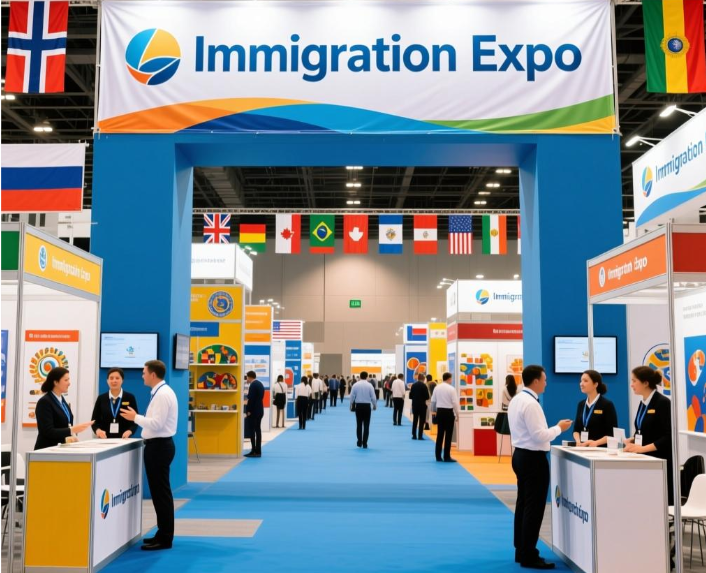
When planning an immigration path, information acquisition costs are often overlooked but have a significant impact. Different countries have complex policies and diverse program types. Relying on a single channel to search for each program is not only time-consuming but also prone to fragmented information and difficulties in comparison. Immigration expos, by showcasing multiple countries and different types of immigration programs, bring previously scattered information together in a single setting, allowing visitors to quickly gain an initial understanding and make selections. Considering the presentation format of relevant immigration expo platforms, this offline, centralized consultation and matchmaking model does indeed have a significant advantage in information acquisition efficiency, thereby reducing overall information costs to some extent. Centralized Display Reduces the Cost of Multi-Channel Searches A Unified Setting Makes Information Acquisition More Efficient. Immigration expos typically bring together immigration programs from multiple countries and regions, allowing visitors to obtain basic information in one location. Initial information gathering can be completed without browsing multiple websites or institutions separately. This centralized approach significantly reduces information search costs. On-Site Consultation Improves Information Understanding Efficiency Face-to-face Communication Reduces Repeated Confirmation. Visitors can directly consult with immigration advisors or project representatives to understand policy details, application requirements, and procedures. They can ask questions on the spot about anything unclear, reducing the time spent on repeated inquiries later. This interactive approach improves information absorption efficiency. Multiple project comparisons shorten decision-making time and costs Comparisons at the same event make selection more intuitive. Different countries and projects are presented simultaneously at the expo, facilitating quick comparison of conditions and advantages. Through horizontal analysis, incompatible options can be eliminated more quickly, focusing on key choices. This comparison mechanism improves overall decision-making efficiency. In the context of an immigration expo, information is no longer scattered across…
 31/03/2026
When planning immigration strategies, many people focus on the diversity and internationalization of programs. Immigration exhibitions, as centralized platforms, bring together immigration programs from different countries in one setting, allowing visitors to quickly understand multiple options. Through on-site demonstrations and consultations, visitors can grasp the policies and conditions of various countries and directly compare program features and investment requirements. This environment makes information more transparent and helps visitors form a holistic understanding of international programs, providing reliable references for subsequent decisions and making immigration planning more directional and actionable. Multi-Country Programs Broaden Choices Centralized displays make international programs readily apparent. Immigration exhibitions typically cover programs from multiple countries and regions, allowing visitors to understand opportunities in different markets at once. Diverse Choices Facilitate Horizontal Comparison: By understanding programs from multiple countries simultaneously, visitors can quickly identify programs that match their own conditions and needs. This centralized model broadens the range of choices. On-Site Consultations Provide an International Perspective Face-to-face communication helps understand the requirements of different countries. Exhibiting organizations or consultants will introduce the immigration policies, investment conditions, and procedures of various countries, making the information more intuitive. Interactive communication can also uncover potential opportunities: Visitors can ask questions about their individual needs and obtain specific applicability and advantages analyses of programs from various countries. This approach makes understanding international programs more concrete. Comparative analysis facilitates the selection of suitable programs Differences between programs from different countries are clearly demonstrated. By comparing the conditions, costs, and time requirements of different countries, visitors can determine the suitability of a program. The analytical process helps in strategy development: Combining policy, cost, and long-term planning helps in choosing a solution that better aligns with one’s goals. Multi-dimensional comparison makes the selection process more rational. Immigration exhibitions, through centralized displays and…
 26/03/2026
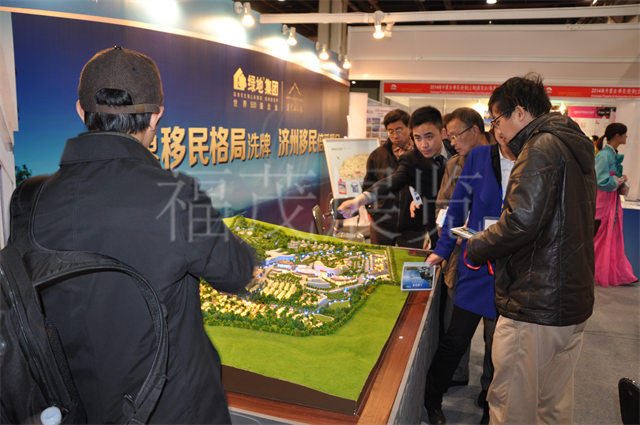
When planning an immigration path, costs and policies are often key concerns, and many people wonder if immigration expos can offer more favorable conditions. Compared to obtaining information from a single channel, expos present different national programs and services in a unified environment, allowing visitors to understand multiple options. Through on-site consultations and comparisons, visitors can more intuitively see policy differences and potential benefits. This centralized exchange format increases information transparency and provides opportunities to discover more suitable solutions, making immigration planning more rational and informed. Centralized displays make preferential information easier to find A unified platform makes the conditions of different programs clearer. Various immigration programs showcase their cost structures and related policies at expos, allowing visitors to directly compare them. Centralized information also helps in filtering key information. Comparing multiple programs makes it easier to identify attractive policies or cost advantages. This presentation method makes preferential information less scattered and difficult to find. On-site communication helps understand actual preferential details Face-to-face communication makes information more concrete. By communicating with consultants or agencies, visitors can learn about any phased policies or additional benefits. The questioning process can also uncover hidden information. Some detailed conditions or applicable scopes often require communication for a clearer understanding. This interaction makes the offers more authentic and valuable for reference. Multiple comparisons help determine the actual value of offers Differences between different programs can be clearly demonstrated. By comparing multiple countries or programs, it’s possible to determine whether a particular offer is truly meaningful. Rational analysis helps avoid being swayed by superficial conditions. Considering costs, policies, and long-term planning makes it easier to assess the true impact of offers. This comparative process makes judgments more robust. In the environment of immigration exhibitions, preferential policies are not presented in isolation…
 21/03/2026
When considering immigration pathways and overseas development, the comprehensiveness of information and the dimensions of comparison often determine the quality of judgment. Many people easily fall into fragmented understanding when faced with different countries’ policies, investment thresholds, and living environments. Offline platforms offering centralized displays provide a more intuitive opportunity for observation. The format of showcasing projects from multiple countries integrates various resources in a single space, allowing visitors to quickly access core information about different options. This scenario improves efficiency and makes the comparison process more concrete, thus providing more perspectives for rational selection. The centralized presentation of projects from multiple countries creates intuitive conditions for comparison. This format allows different countries’ options to be quickly browsed and compared in the same space. At the same exhibition, projects from different countries are usually presented in booth format, allowing visitors to browse multiple immigration pathways within a limited time, reducing the cost of searching for information back and forth. This environment makes information acquisition more intuitive and helps to quickly establish an overall cognitive framework. This feature also makes key information easier to extract and understand. When showcasing various projects, they often highlight core advantages and target audiences. By comparing this key information, visitors can more clearly identify the differences between different countries, thus forming an initial screening strategy. Focusing on centralized presentations, comparisons no longer rely on fragmented channels but are completed within a unified setting, enhancing the consistency of judgment. Face-to-face interaction leads to a deeper understanding of solutions. This interactive approach allows information acquisition to go beyond superficial introductions. At exhibitions, consultants or agency representatives typically provide explanations, and attendees can directly ask questions and receive more specific answers tailored to their individual circumstances. This interactive approach is more targeted than simply reading materials….
 05/03/2026
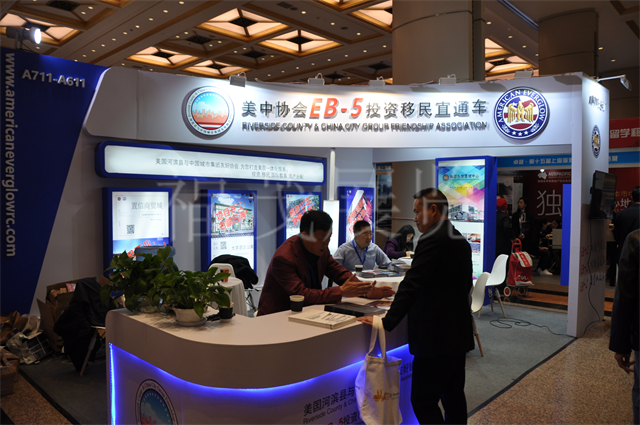
Against the backdrop of a growing global trend towards residency planning and asset allocation, investment immigration has become a focal point for many families. Whether at immigration expos or various overseas investment exchange activities, the question “Is investment immigration really reliable?” is consistently asked frequently. Some value the travel and educational conveniences that residency brings, while others worry about policy changes and the risk of financial security. Determining the reliability of investment immigration requires a rational analysis from multiple perspectives, including policy stability, financial compliance, and long-term planning value. Policy Foundation and Legal Compliance The reliability of an investment immigration project hinges on its policy origins and legal foundation. Is it an officially recognized project? It should be confirmed that the project is formally established by the government of the target country, rather than being a product packaged by market intermediaries. Policy transparency and historical continuity: Projects with a long history and clearly defined rules are generally more stable. Is the approval process standardized? Are procedures such as background checks and verification of the source of funds open and transparent? Does it have a legal protection mechanism? Are the investment contract and residency application process protected by local laws? After obtaining project information from immigration expos, independently verifying the policy sources is a crucial step in mitigating risk. Fund Security and Risk Assessment Investment immigration often involves substantial financial investments, making fund security a key factor in assessing reliability. Clarity of Fund Purpose:Is the flow of investment funds clear, and are there any regulatory or escrow mechanisms in place? Fund Source Verification Requirements:Legitimate projects typically require proof of legal fund sources to ensure compliance. Additional Fee Risks: Understand the associated costs, such as intermediary service fees, legal fees, and other related expenses. Policy Adjustment Risk Assessment: Investment thresholds or…
 03/03/2026
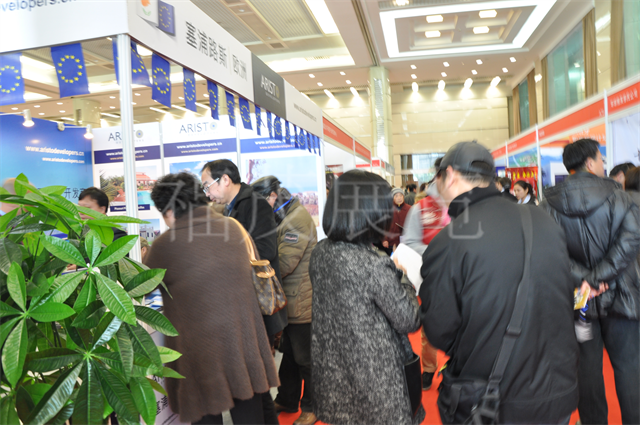
In today’s increasingly globalized world, more and more high-net-worth families are paying attention to the concept of “second citizenship.” Whether in asset allocation, children’s education planning, or international travel and business expansion, the impact of citizenship is being re-examined. Especially at immigration expos, second citizenship is often a focal point of discussion. It’s not just a passport, but a cross-border option and a long-term strategic tool. So, what are the practical benefits of second citizenship? Freedom of Travel and Global Convenience The most direct value of second citizenship lies in the convenience of international travel. Increased Visa-Free or Visa-on-Arrival Countries: Holding a passport from certain countries allows visa-free entry to many countries and regions, reducing visa application time and uncertainty. Improved Business Efficiency: Entrepreneurs who frequently engage in international business activities can arrange cross-border travel more flexibly. Greater Response to Unexpected Situations: In the event of changes in the international situation or emergencies, having an additional citizenship means more travel and residence options. Family Members Benefit Simultaneously: Most second citizenship programs allow spouses and children to obtain citizenship together, increasing overall freedom of travel. Convenient travel not only saves time but also provides greater flexibility for a global lifestyle. Expanded Education and Living Resources The advantages of citizenship extend beyond travel convenience; they can also be reflected in education and social resources. Expanded Educational Choices: Children can enjoy the same educational opportunities as local students in their country of citizenship, with greater flexibility in school applications. Optimized Education Costs: Tuition fees for local students are significantly lower than for international students in some countries. Healthcare and Social Security Systems: Legal citizens typically enjoy access to local public healthcare and some social welfare systems. Long-Term Residence and Development Opportunities: Families can live or work in different countries according to their…
 26/02/2026
In today’s rapidly globalizing world, investment immigration has become a significant option for an increasing number of high-net-worth families. Beyond asset allocation and residency planning, many are more concerned with the tangible benefits of investment immigration: freedom of travel, access to educational resources, wealth protection, and an upgraded lifestyle. As residency becomes more than just a residence permit, but an integral part of a global strategy, the comprehensive advantages of investment immigration are being reassessed by a growing number of rational investors. Increased Freedom of Travel and Residence The most noticeable changes after obtaining overseas residency are often in travel and residence arrangements. This freedom significantly facilitates family life and business dealings. Visa Convenience and Travel Advantages: Holding residency or citizenship in several countries allows for visa-free or simplified visa processes to multiple countries, greatly improving international travel efficiency. Long-Term Residence Options: Investment immigration typically grants applicants long-term residency or permanent status, allowing them to freely choose their place of residence based on family plans. Facilitated Global Business Travel: For entrepreneurs, overseas residency helps expand into international markets and reduces the time and administrative costs of business travel. Four key benefits for family members: Spouses and children typically obtain residency status simultaneously, allowing for greater flexibility in family travel and residence arrangements. This convenience extends beyond daily life, creating smoother pathways for cross-border investment, overseas property ownership, and international cooperation. Education and Social Resource Advantages Beyond the change in residency status, the long-term advantages of investment immigration for families are primarily in education and social resources. Priority access to education resources: After obtaining local residency, children typically enjoy greater advantages in school admissions, tuition fees, and educational choices. Optimized education costs: In some countries, local residents can enjoy lower tuition fees or more scholarship opportunities. Healthcare and social security:…
 05/02/2026
In the digital age, more and more immigration agencies are moving their services online: video consultations, live lectures, WeChat group Q&A, and social media promotions. Information can be accessed with just a few taps, which seems convenient and time-saving. Therefore, many people wonder: since online consultations are so advanced, is it still necessary to attend an immigration expo? Are offline expos truly more valuable than online communication? In fact, while online consultations do solve the problem of “difficulty in obtaining information,” they struggle to address the pain point of “difficulty in making in-depth judgments.” Immigration is not a simple consumption; it’s a major decision involving identity, assets, family planning, and legal compliance. It’s difficult to fully understand an agency’s professionalism and reliability based solely on a few conversations on a screen, and it’s also difficult to compare programs from multiple countries in a short period. While online communication is convenient, it’s also easily distracted by fragmented information, with the consultation pace dictated by salespeople, lacking systematic thinking. In contrast, immigration expos offer a more concentrated, authentic, and efficient offline experience: a large number of national programs, licensed lawyers, immigration consultants, and education and tax experts gather in the same space and at the same time, allowing families to communicate face-to-face, compare information instantly, and verify from multiple sources. This “immersive learning” experience is difficult to completely replace online. Below, we break down the real advantages of immigration expos compared to online consultations from multiple perspectives. Concentrated Information: All at Once Online consultations are often “single-point contact.” You contact one agency, and you only get one perspective; switching to another requires rescheduling and repeating the communication. The process is fragmented and time-consuming. The biggest advantage of immigration expos is their centralized presentation. Within the same venue, you can: Learn about…
 05/02/2026
For many families planning for overseas residency, immigration expos offer a highly concentrated information channel: dozens of countries’ programs, hundreds of agencies, consultants, lawyers, education and tax experts all present, seemingly providing a one-stop solution. However, those who have actually attended often find that without prior preparation, it’s easy to become increasingly confused – accumulating piles of materials, collecting dozens of business cards, and attending several lectures, only to return home with a more disorganized mindset, unsure of what’s right for them. The reason is simple: immigration is a complex decision involving multiple factors such as residency, assets, taxes, children’s education, residency plans, and language proficiency. The fast pace, information overload, and strong sales atmosphere at expos can easily lead to being swept along. Simply following the crowd, browsing aimlessly, and engaging in impromptu conversations wastes time without yielding truly valuable conclusions. For many high-net-worth or middle-class families, time is equally precious; a day at an expo without finding direction is a wasted trip. However, with proper route planning, a clear understanding of your needs, and effective communication, you can efficiently identify suitable countries and institutions within half a day or a full day, significantly reducing subsequent trial-and-error costs. This practical guide will help you maximize your exhibition efficiency. Clarify Your Goals Before You Go Core Principle: Without goals, there is no efficiency. Many people’s biggest problem is “browse first, then think.” They consult whichever country seems popular, resulting in a superficial understanding of everything without a focus. The correct approach is to ask yourself a few questions before you go: Is it for your child’s education, or purely for investment? Do you intend to reside there long-term, or just for temporary residency? What is your approximate budget? Can you accept residency requirements or language proficiency requirements? Write down…
 04/02/2026
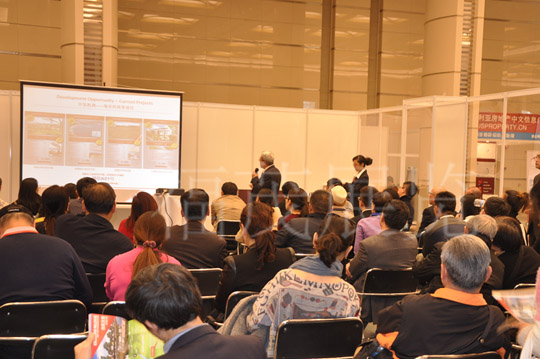
In recent years, topics such as immigration, overseas residency planning, and global asset allocation have become increasingly popular, leading to a surge in immigration expos, overseas property exhibitions, and residency planning summits in major cities. For many families, these expos do offer a convenient and efficient way to gather information on projects, compare policies across different countries, and communicate face-to-face with consultants. However, information overload does not equate to reduced risk. On the contrary, in the complex and highly specialized field of immigration, a lack of judgment can easily lead to being misled by marketing rhetoric and making hasty decisions. Immigration differs from ordinary consumption; it often involves investments of hundreds of thousands or even millions of yuan and is related to crucial issues such as legal status, children’s education, tax compliance, and asset security. A wrong choice can lead to irrecoverable losses, and even more difficult-to-compensate time and opportunity costs. Some families, misled by claims of “guaranteed success,” “super low prices,” and “internal quotas,” have ultimately experienced project failures, residency rejections, and even legal disputes. Immigration is not a product purchase, but a long-term and serious planning undertaking. Therefore, when visiting immigration expos, it’s more important to “recognize the risks” than “look for opportunities.” Learning to identify unusual signals, maintaining rational thinking, and avoiding emotional decision-making are crucial to truly using expos as information tools, rather than falling into marketing traps. The following five common warning signs are almost always high-frequency characteristics of problematic projects and should be paid close attention to: Promises of “100% Success” If you hear phrases like “100% approval,” “guaranteed residency,” or “full refund if unsuccessful,” you should immediately be wary. Immigration approval is essentially a government process, and no intermediary, lawyer, or agency can control the final outcome. Visa officers have independent discretion;…
 Number
Call Now:
139 1723 4508
 WeChat
 Form
FormBook Your Booth
Complete your information immediately and provide you with exclusive services!
Back to Top

