-
Whatsapp
+1 689 248 1956 -
Email
joannewong0817@gmail.com

 01/12/2025
In recent years, the “Golden Visa” system (obtaining residency or citizenship through investment in real estate, donations, or investment funds) has been popular in many European countries, attracting a large number of wealthy non-EU investors. However, with rising housing prices, increasing housing pressure, and growing concerns about money laundering, tax evasion, and security risks, more and more European countries are tightening or canceling these programs. This article aims to review recent changes in major countries, analyze trends, and explore the underlying driving forces and potential impacts. Which countries are tightening or canceling them? Spain: Complete cancellation of Golden Visas Spain officially terminated its “Golden Visa/residency by investment” system on April 3, 2025. Since its introduction in 2013, this system has attracted a large number of foreign investors, primarily through real estate investments of at least €500,000 in exchange for residency permits. The Spanish government stated that the main reason for canceling the program was that the system exacerbated rising house prices, impacting the housing affordability of local residents. Portugal: Cancellation of Real Estate Investment Option, Only Limited Alternative Pathways Portugal removed the option of obtaining residency through real estate investment in 2023. The existing Golden Visa program was restructured, allowing applications only through investment funds, job creation, scientific research, or cultural heritage. In other words, the previously most popular “buy a house, get a visa” pathway is no longer applicable—reflecting the Portuguese government’s policy adjustments to alleviate the real estate market bubble and housing pressure. Greece: Significantly Increased Investment Threshold, Substantial Tightening While Greece has not yet completely canceled its Golden Visa program, it has made strict adjustments to the real estate investment pathway. From August 2024, the minimum investment threshold for popular areas (such as the capital and tourist hotspots) will increase from…
 01/12/2025
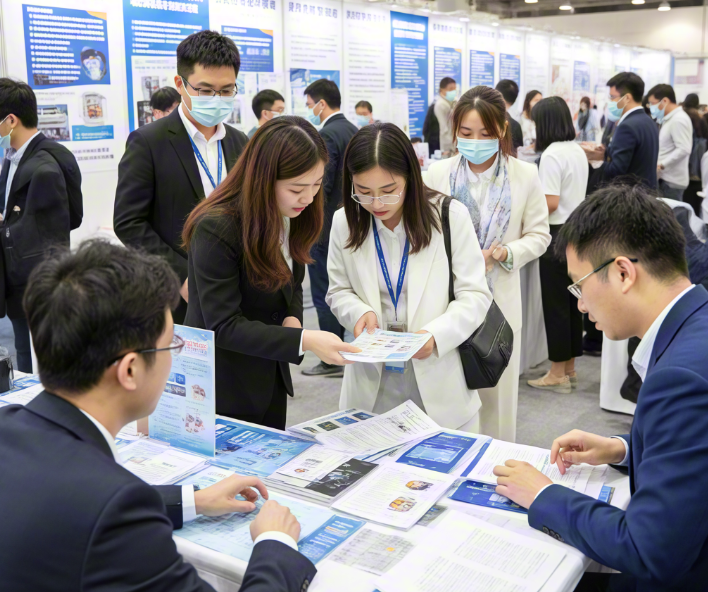
Driven by globalization, immigration has become a significant choice for many seeking new career opportunities and realizing their life’s value. Immigration expos, serving as a crucial bridge between immigrant dreams and reality, not only gather immigration policies and lifestyle information from around the world but also provide new immigrants with valuable resources and inspiration for career planning, helping them embark on a new chapter in their careers abroad. The primary task in post-immigration career planning is clarifying one’s career direction. Immigration expos bring together experts and practitioners from various industries and fields, offering not only cutting-edge industry trends but also profound insights into future career directions. New immigrants can participate in various industry forums and career lectures, engaging in face-to-face exchanges with industry elites to understand the market demands, skill requirements, and development prospects of their target industries. For example, with the increasing global emphasis on sustainable development, industries such as green energy and environmental technology are experiencing unprecedented development opportunities. New immigrants who can keenly grasp this trend and, combined with their professional background, choose these sunrise industries as their career path will undoubtedly lay a solid foundation for future career development. Skills enhancement and certification are key aspects of post-immigration career planning. Different countries have varying requirements for professional skills, and new immigrants need to enhance their competitiveness by participating in professional training and obtaining international certifications. At the immigration expo, numerous training and certification institutions showcased their services, offering one-stop skills enhancement services for new immigrants. From programming languages and data analysis to project management and marketing, a wide variety of courses were available to meet the diverse learning needs of new immigrants. Meanwhile, international certifications such as PMP (Project Management Professional) and CFA (Chartered Financial Analyst) not only enhance the professional resumes of new immigrants but…
 01/12/2025
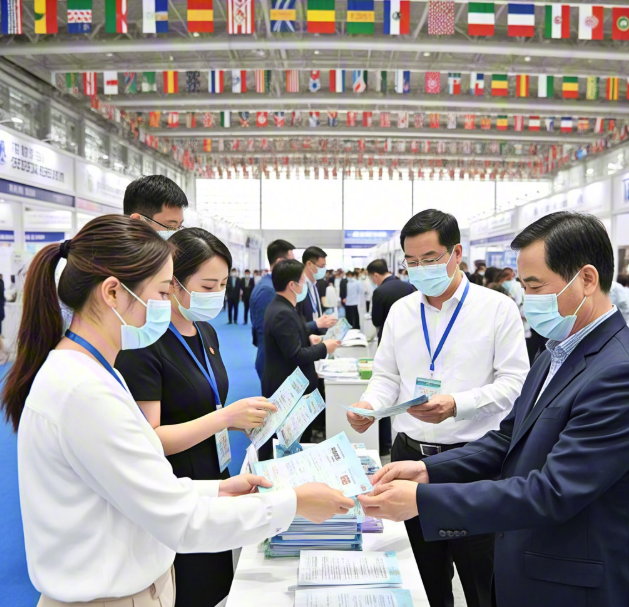
Amidst the ongoing global wave of immigration, new immigrants are increasingly focused on welfare benefits as they integrate into their new environments. Immigration expos, serving as crucial platforms connecting new immigrants with the welfare policies of various countries, not only provide a comprehensive overview of welfare benefits but also become key support for planning their immigrant lives and achieving their immigration status transition. Healthcare is one of the most pressing welfare concerns for new immigrants. In many countries, new immigrants who meet certain conditions can enjoy free or low-cost healthcare services. For example, in Finland, all legal immigrants, including work visa and entrepreneur visa holders, are entitled to medical services at public hospitals. Medical insurance covers most medical expenses, and the drug subsidy policy is particularly generous; once annual drug purchases exceed a certain amount, the remaining costs are waived, and patients with serious illnesses only need to pay a small fee. Canada also prioritizes healthcare, with the government investing heavily in healthcare benefits annually. Except for dental and ophthalmology services, residents do not pay for doctor’s visits, lab tests, hospitalization, or surgery. Most prescription drugs are provided free of charge to seniors over 65 and those receiving social welfare, providing a solid safety net for the health of new immigrants. Educational benefits are also a significant factor attracting new immigrants. Many countries offer high-quality educational resources for their children, from kindergarten to university. Finland has a free education system, with students exempt from tuition and textbook fees, receiving a free lunch daily, and university students receiving substantial monthly government subsidies. Low-interest student loans are also available. Canada provides 12 years of free education from first grade to high school graduation, covering regular classes and a wide variety of after-school activities. There are also childcare subsidies for low-income families, easing…
 01/12/2025
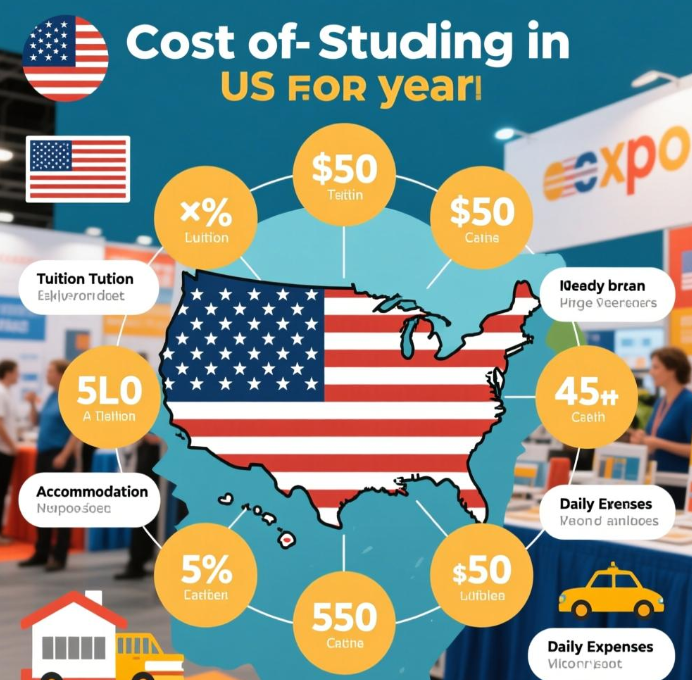
In the global education landscape, the United States continues to attract students from around the world with its top-tier academic resources and multicultural environment. However, tuition fees, as a key decision-making factor, remain a focal point for families. In 2025, the total cost of studying in the US for one year is significantly affected by the level of education, type of school, major, and location, generally ranging from 300,000 to 1,000,000 RMB. Behind this figure lies the dynamic combination of two core expenditures: tuition and living expenses. Study abroad expos provide students with a window into precisely breaking down the cost structure. Tuition fees are the core variable in study abroad costs, with differences stemming from the scarcity of educational resources and professional barriers. Public universities, due to government subsidies, have relatively affordable tuition, averaging around 150,000 to 300,000 RMB per year for undergraduate programs, but out-of-state students pay higher fees. Private universities, with their small class sizes and top-tier faculty, generally charge between 350,000 and 500,000 RMB per year, with some top institutions like Harvard and Stanford charging over 600,000 RMB per year for business or STEM programs. The choice of major also affects expenses. High-barrier fields like medicine and law have costs 30% to 50% higher than humanities majors due to the increased cost of laboratory equipment and faculty. Meanwhile, popular majors like computer science and finance are seeing rising tuition fees due to strong market demand. For example, the annual tuition for a Master’s program in Computer Science at UC Berkeley is approximately 280,000 RMB, while the MBA program at Harvard Business School costs as much as 560,000 RMB. Living expenses are deeply tied to geographical location. In megacities like New York and San Francisco, annual living expenses can reach 180,000 to 220,000 RMB, with accommodation accounting…
 01/12/2025
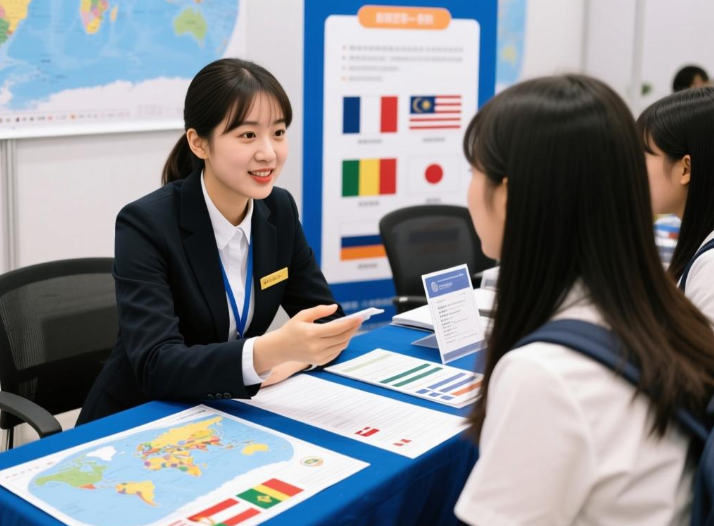
Driven by globalization, studying abroad has become a crucial pathway for many students to broaden their horizons and enhance their personal development. Study abroad fairs, serving as a bridge connecting students with overseas educational resources, not only gather admissions information from top universities worldwide but also provide a valuable opportunity to gain a deeper understanding of the advantages and disadvantages of studying abroad. For every student harboring a dream of studying abroad, a comprehensive understanding of the pros and cons is key to making an informed decision. The most direct benefit of studying abroad is undoubtedly broadening horizons and increasing knowledge. When students step into a foreign land, they will personally experience the collision and integration of different cultures, and encounter vastly different lifestyles and ways of thinking. This cross-cultural exchange not only allows students to gain a deeper understanding of the world but also cultivates their global perspective and inclusive mindset. At study abroad fairs, students can interact face-to-face with admissions officers from around the world, learn about the educational characteristics and cultural charm of different countries, and prepare thoroughly for their future study abroad experience. Improved language skills are also a significant advantage of studying abroad. In an all-English or all-foreign-language teaching environment, students are forced to step out of their comfort zones and use the foreign language for daily communication and academic discussions. This immersive language learning often yields twice the results with half the effort. Many students, after returning from studying abroad, not only have made rapid progress in their foreign language proficiency but also possess cross-cultural communication skills, laying a solid foundation for their future career development. At study abroad fairs, many overseas institutions offer language tests and consultation sessions to help students assess their language levels and develop reasonable improvement plans. However, studying abroad…
 29/11/2025
With increasing globalization, many people are focusing on overseas development, educational resources, cross-border employment, and even long-term residency, making “immigration services” a hot topic. However, many people often confuse several concepts when approaching this field: immigration consultants, immigration law firms, and immigration service agencies. They all seem to do “immigration-related things,” but their roles, qualifications, service boundaries, and responsibilities differ. Understanding these differences not only helps those seeking help choose the right service but also effectively avoids the risks associated with a lack of transparency. Different Roles The biggest difference between immigration consultants, law firms, and service agencies lies primarily in their roles. Immigration consultants are typically individual professionals who provide consultation, offer solutions, and plan application materials. They focus more on “initial planning” and “information guidance.” Immigration law firms, on the other hand, are primarily composed of teams of lawyers with legal qualifications. They can handle highly specialized tasks such as policy interpretation, legal opinions, and document compliance reviews. Law firms have the legal authority to handle issues involving legal risks, complex materials, or appeals against visa refusal. Immigration service agencies are more like comprehensive service providers, offering a one-stop service including project introduction, document processing, application assistance, and post-arrival services. Their goal is to provide systematic and streamlined services, minimizing the client’s workload and distractions. In other words, these three entities occupy different positions and naturally have different tasks. Significant Differences in Legal Authority Immigration-related information is highly complex and legally sensitive, therefore the qualification requirements for different service providers vary significantly. Immigration consultants in many countries require professional certification or industry registration. While not equivalent to lawyers, they must possess a certain professional background to provide consultation services. Law firms have the highest qualification requirements. Lawyers must pass national legal examinations, possess practicing licenses, and be…
 29/11/2025
In an era of rapid industrial upgrading, it’s often said that “visiting an expo is like seeing an entire industry.” While this may sound exaggerated, there’s a basis for it. Expos are not just platforms for product display; they are microcosms of the entire industry: trends are concentrated here, players make their full appearance, supply chains are clearly presented, and even future trends can be glimpsed. Why can a single visit provide such a high density of information? The answer lies in the unique organizational structure and industry ecosystem of expos. IIndustry Players Bring Efficient Understanding The core characteristic of expos is their extremely high concentration. Producers, brand owners, distributors, supply chain companies, technology providers, and even industry associations, media, and investment institutions all gather here. Industry materials and information about different companies that normally require significant time to find can be quickly browsed at expos. The larger the industry and the longer the supply chain, the more pronounced this concentration effect. Because everyone presents themselves at their best, visitors can directly see the major players in the industry, their respective positioning and differences, and quickly build a comprehensive understanding. In other words, visitors aren’t just “viewing an exhibition,” they’re “viewing the industry ecosystem.” A Direct Insight into the Industry’s “True Level” The current stage of an industry’s development, its technological maturity, and the direction of innovation are often difficult to determine from written descriptions alone. Expos, through large-scale physical displays, hands-on experiences, and dynamic demonstrations, present industry information in the most authentic way. Displaying products from different companies in the same environment makes differences and strengths more readily apparent. Visitors can see not only the current state of the industry but also its “gradient”: Who are the leaders? Who are the followers? Who is exploring new paths? This information…
 29/11/2025
In an era of deepening globalization, industrial, supply, and innovation chains between countries are becoming increasingly intertwined. How can participants from different industries, regions, and cultural backgrounds communicate and cooperate more smoothly? Trade shows are one of the most effective bridges. They are not merely venues for showcasing products, but also open communication mechanisms, platforms that can highly concentrate and rapidly exchange resources, needs, and ideas. In the same space, people can communicate, judge, and make decisions face-to-face, thus significantly accelerating many collaborations that would otherwise take months or even years to complete. Face-to-Face Communication is More Efficient Meeting in person makes for better communication In globalized communication, while email and video conferencing are convenient, face-to-face communication still holds irreplaceable value. Trade shows bring together companies, institutions, and organizations that were previously scattered around the world in one place, making communication more direct. Face-to-face communication allows both parties to quickly build trust, understand cooperation intentions, and rapidly assess each other’s needs. This communication efficiency is difficult for any online channel to completely replace. The effects of on-site communication are particularly evident in industries involving technical details, product experiences, or cultural differences. A real-world communication environment reduces information asymmetry, facilitating rapid agreements and collaborations. Providing the Most Intuitive Basis for Judgment Seeing is believing At the expo, products, technologies, and concepts can be presented in the most tangible way. Instead of describing product features in words, partners can experience them firsthand; instead of introducing technical performance via remote meetings, on-site demonstrations of how it works are more effective. This “see and touch” experience greatly increases information transparency and significantly improves judgment efficiency. For example, whether equipment is compatible, whether the technology is mature, and whether the design meets requirements can often be answered immediately…
 29/11/2025
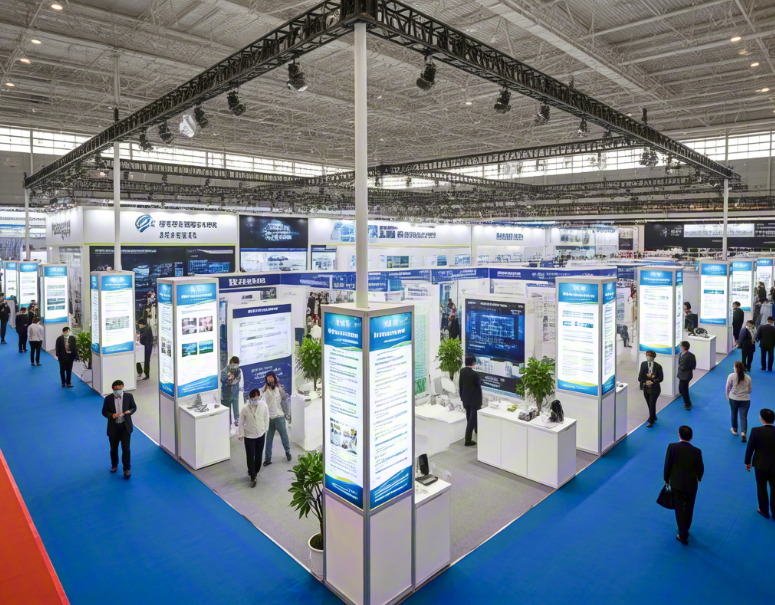
In today’s rapidly evolving global education landscape, studying in Asia, with its core advantages of geographical proximity, cultural affinity, and excellent cost-effectiveness, is becoming an increasingly popular choice for Chinese students seeking to broaden their international horizons and enhance their competitiveness. Compared to Europe and America, studying in Asia is not only closer to home in terms of time and space, reducing the challenges of cross-cultural adaptation, but also offers students a “low-cost, high-return” growth path through diverse educational systems, cutting-edge programs, and abundant practical opportunities. The recently held Asian Study Abroad Expo brought together top universities, educational institutions, and industry experts from various Asian countries. Through policy interpretation, case studies, and one-on-one consultations, it built a bridge for students to access high-quality educational resources across Asia—from the science and innovation of Japan and South Korea to the multiculturalism of Southeast Asia, from Singapore’s financial elite training to Malaysia’s “twin programs”—the rich choices available in Asia are redefining the value of “studying near home.” The quality of education and the level of internationalization in Asia are the fundamental reasons for its attractiveness. Singapore, a benchmark for education in Asia, boasts its National University of Singapore and Nanyang Technological University, consistently ranking among the top 20 universities globally. Its programs in finance, engineering, and computer science are exceptionally strong, with curricula closely aligned with industry needs. Graduates enjoy an employment rate exceeding 90%, and their salaries are among the highest in Asia. Japan, leveraging the academic strength of its seven Imperial Universities, including the University of Tokyo and Kyoto University, holds a leading global position in materials science, robotics, and medicine. Its “research university + industry joint training” model provides students with a complete closed loop from theory to practice, with many students being recruited by renowned companies like Sony and…
 29/11/2025
Amidst the evolving global economic landscape, the rapid penetration of emerging technologies, and profound changes in consumption concepts, the investment field is undergoing an unprecedented structural adjustment. Traditional investment logic is gradually being broken, while emerging sectors such as technology-driven growth, green transformation, and essential consumer needs are rising to become the core focus of capital investment. The recently held Global Investment Expo brought together top global investment institutions, industry pioneers, and innovative projects, painting a clear picture of the future investment landscape for investors through case studies, trend analysis, and resource matching—from breakthrough technologies to sustainable industries, from consumption upgrades to the silver economy, diverse opportunities await discovery and investment. The technology sector has always been the most active battleground for capital, and the deep integration of artificial intelligence and biomedicine is generating the most explosive growth points. At the technology exhibition area of the Investment Expo, an AI pharmaceutical company’s “AI + multi-omics” technology attracted widespread attention: by analyzing gene, protein, and metabolite data through machine learning, it has increased the efficiency of cancer target discovery tenfold, raising the success rate of new drug development from less than 10% to 35%. Currently, the company has partnered with over 20 pharmaceutical companies globally, with three innovative drugs entering Phase III clinical trials and a valuation exceeding $4 billion. Meanwhile, cutting-edge technologies such as quantum computing and humanoid robots are approaching commercialization thresholds. An industrial-grade quantum chip launched by a quantum computing company demonstrates overwhelming advantages over traditional computing power in areas such as financial risk modeling and materials simulation. Its clients include five of the world’s top ten banks, with order volume growing by over 200% annually. These technology projects share common characteristics: high technological barriers, vast market potential, and strong policy support, making them suitable for investors with…
 29/11/2025
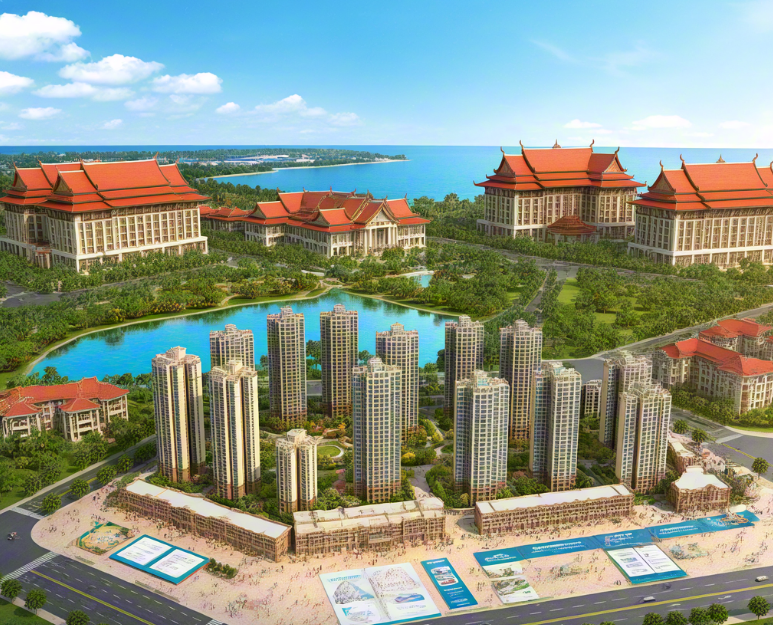
In the current context of profound restructuring of global asset allocation, Southeast Asian real estate is rapidly becoming a new focal point for global capital competition. By 2025, this region, leveraging its unique geographical advantages, policy dividends, and industrial momentum, will not only reshape the traditional real estate market logic but also, through technological innovation and sustainable development concepts, paint a future vision for investors that combines investment value with quality of life. The recent real estate expos held in various Southeast Asian countries have become a concentrated showcase of this trend, attracting global attention. The relocation of manufacturing and the rise of the digital economy are becoming the core engines driving the restructuring of Southeast Asian real estate value. As global industrial chains gradually shift to Southeast Asia, high-value-added industries such as electronics, automobiles, and biomedicine are rapidly clustering, directly driving up demand for industrial real estate and supporting residential properties. At a recent Southeast Asian real estate expo, the “New Opportunities in Industrial Real Estate” section was bustling with visitors. A case study of a regional data center cluster was prominently displayed—its implementation led to a cumulative increase of over 135% in surrounding industrial land prices over three years. Meanwhile, a “Data Center Talent Community” project achieved a 92% sales rate within six months of its launch, with an average price increase of 19% year-on-year, significantly higher than the traditional residential market. This “industry-population-supporting facilities” transmission effect is driving the Southeast Asian real estate market to evolve from a single residential function to a “production-living-ecological” composite space, becoming one of the most discussed topics among investors at the expo. Simultaneously, the digital economy continues to expand, with green building certification projects accounting for 36%, and environmentally friendly facilities such as solar panels and rainwater harvesting systems becoming standard…
 29/11/2025
In the global wave of asset allocation, overseas real estate investment has attracted much attention due to its characteristics of risk diversification and asset appreciation. However, in the cross-cultural and cross-jurisdictional transaction process, the property handover and inspection stage is often the most easily overlooked yet crucial step for investors. From millimeter-level verification of building details to line-by-line review of legal documents, from interconnected testing of smart devices to thorough inspection of hidden works, overseas property handover has formed a sophisticated standardized system. Real estate expos, as a bridge connecting the global market and investors, are providing systematic solutions for cross-border property investment through resource integration and professional empowerment. The core of overseas property handover lies in the dual verification of “contractual integrity” and “technical standards.” Taking the UK market as an example, developers are required to issue formal notice 10-14 days before handover, and buyers must bring property documents reviewed by lawyers, proof of funds, and other materials to the site for inspection. During the inspection, professional inspectors will use laser rangefinders to confirm that the actual area differs from the contract by less than 3%, use infrared thermal imaging to detect the thickness of the wall insulation layer, and use moisture content testers to check for leaks in hidden areas. Door and window sealing needs to be tested under simulated heavy rain conditions to ensure waterproofing; electrical systems need to be verified one by one using a mobile phone charger; and smart control panels need to be operated and their interconnected functions verified. These details not only affect living comfort but also directly impact the resale value and rental income of the property. The implementation of technical standards requires professional tools and processes. In the Australian market, home inspectors use smoke detectors to test buttons to verify fire…
 Number
Call Now:
139 1723 4508
 WeChat
 Form
FormBook Your Booth
Complete your information immediately and provide you with exclusive services!
Back to Top

