-
Whatsapp
+1 689 248 1956 -
Email
joannewong0817@gmail.com

 12/12/2025
In the complex ecosystem of the real estate market, real estate agents play a crucial role in connecting supply and demand, facilitating transactions. They shuttle between buyers and sellers, using professional services to break down information barriers and market insights to safeguard transactions. They are both the lubricant of the industry and a hub for resource integration. From the leasing and sale of ordinary residential properties to the leasing and operation of commercial real estate, from in-depth cultivation of the local market to the expansion of cross-border investment, the professional boundaries of real estate agents are constantly expanding with market development, and their professional value is becoming increasingly prominent. The essence of a real estate agent is a professional service provider practicing law. According to industry standards, they must pass systematic examinations or certifications, master core knowledge such as real estate transaction systems, laws and regulations, and market analysis, and obtain professional qualifications before they can conduct business. This profession covers multiple sub-sectors: in primary home sales, they act as a bridge between developers and homebuyers, accurately conveying project value and answering client questions; in secondary home transactions, they undertake the entire process of property verification, price negotiation, and contract signing, ensuring compliance and transparency; in the rental market, they match tenant needs with landlord conditions to facilitate long-term and stable rental relationships. With the acceleration of globalization, cross-border real estate investment has become a new hotspot. Real estate agents with an international perspective and familiarity with overseas regulations are becoming increasingly sought-after in the market. They not only help clients complete cross-border transactions but also provide value-added services such as tax planning and immigration consultation. Professional competence is the core competitiveness of real estate agents. Information integration ability is a basic requirement; they need to build a comprehensive database…
 12/12/2025
In the wave of globalization, immigration has become an important choice for many people seeking a better life and realizing their personal value. However, immigration is not a simple “spontaneous trip”; it involves complex policy, economic, and cultural factors. So, what is the key to successful immigration? The cornerstone of successful immigration lies in accurate self-assessment and goal setting. Immigration is not about blindly following trends, but requires an objective and comprehensive evaluation based on one’s educational background, professional skills, financial strength, language proficiency, and other factors. For example, for highly educated and skilled professionals, skilled worker immigration or extraordinary ability visas may be a better choice; while for wealthy investors, investment immigration may be more suitable. At the same time, clearly defining the target country or region and thoroughly understanding its immigration policies, cost of living, and cultural environment are also prerequisites for successful immigration. Only with accurate positioning can one avoid blind applications and increase the success rate. The core of successful immigration lies in a strong will to survive and strategic wisdom. During the immigration process, applicants often face many challenges, such as language barriers, cultural differences, and employment pressure. At this time, a strong will to survive becomes the driving force that supports applicants in overcoming difficulties and moving forward. Strategic wisdom is reflected in an applicant’s keen insight into immigration policies, meticulous preparation of application materials, and thorough planning for their future life. For example, when applying for an EB-1 Extraordinary Ability visa, applicants not only need to demonstrate their professional achievements but also skillfully combine their personal values with the needs of American society to construct a convincing immigration narrative. This strategic wisdom often allows them to stand out among numerous applicants and win the favor of the immigration authorities. Immigration success also relies…
 11/12/2025
In recent years, with the continuous development of the global tourism industry, overseas hotels, vacation homes, and other tourism real estate have gradually become an important area of focus for investors. Compared with traditional residential or commercial properties, these assets not only serve residential or commercial purposes but are also closely related to the prosperity of the tourism market, seasonal demand, and the overall attractiveness of the destination. However, the investment logic of overseas tourism real estate is not simple; it possesses the dual attributes of “real estate” and “tourism,” meaning that returns depend not only on the asset’s inherent value preservation but also on operational efficiency, destination competitiveness, and the external economic environment. Therefore, many investors need to clearly understand the potential risks and recognize the uncertainties brought about by cross-border investment before entering this field. Policy and Regulatory Uncertainty Different countries have significant differences in real estate transactions, property rights systems, land use, and foreign investment restrictions. Especially when it comes to operating assets such as hotels and resorts, policy uncertainty is more likely to affect investment. Some countries have threshold restrictions on foreigners purchasing real estate; some require specific licenses, while others have strict regulations on short-term rental operations, land lease terms, or changes in land use. Furthermore, local governments may impose restrictions or upgrade regulations on the short-term rental market based on tourism management, urban planning, or safety considerations, directly impacting the rental methods and revenue performance of holiday homes. Investors unfamiliar with the legal framework or relying on unprofessional intermediaries are prone to risks related to property rights, taxes, or operating permits, thus affecting the sustainable operation of the asset. Operational Risks The operating models of hotels and holiday homes are completely different from residential rentals. Hotels require professional teams to manage…
 11/12/2025
In today’s rapidly changing tourism industry, businesses often face a core question when choosing a business model: which is more advantageous, an asset-light model or an asset-heavy model, better suited for long-term development? Asset-light models typically represent more flexible resource allocation methods, such as online travel platforms, guided tours, SaaS management systems, and OTA distribution. They primarily rely on technology, channels, and operational capabilities to realize value. Asset-heavy models, on the other hand, include hotels, resorts, and theme parks, requiring large-scale upfront investment, continuous maintenance costs, and long operating cycles. As consumer demands become increasingly diversified and travel experiences become more fragmented and experiential, companies with different asset models are striving to find their competitive niche. Asset-Light Model The significant advantages of the asset-light model lie in its flexibility and scalability. Because these companies do not bear heavy property, construction, or long-term fixed asset costs, they can invest more resources in technology research and development, user experience optimization, channel expansion, and brand operation. When market demand or the policy environment changes, asset-light companies can often quickly adjust their strategies, such as optimizing business lines, reshaping product structures, or developing new customer sources. Furthermore, the asset-light model is more suitable for the digitally driven tourism market, as user acquisition, algorithmic recommendations, content marketing, and the efficiency of online transaction conversion are all sources of its core competitiveness. The asset-light model also boasts the advantage of relatively low-risk expansion, allowing for cross-regional replication and rapid testing of different product directions, thereby acquiring a wider market share with lower trial-and-error costs. Asset-Heavy Model Compared to the asset-light model, while the asset-heavy model has a higher capital threshold and longer construction cycle, its advantages lie in stability and controllability. Owning tangible assets such as hotels or theme parks allows companies to…
 11/12/2025
In the wave of globalized education, studying abroad has become an important way for more and more students to improve their academic level and broaden their international horizons. However, language, as a bridge for cross-cultural communication, remains a core hurdle that cannot be avoided in the application process. Whether it’s IELTS or TOEFL for English-speaking countries, or specialized tests for countries with less commonly taught languages, language scores not only directly determine whether an applicant can gain admission, but also affect their academic adaptation and integration into life during their studies. A deep understanding of the language requirements for studying abroad in different countries and the development of targeted preparation strategies are the first hurdles that every applicant must overcome. Language requirements in English-speaking countries are centered on standardized tests, but the standards vary significantly between different countries, institutions, and programs. British universities generally accept IELTS scores. Undergraduate courses typically require an overall score of 6.0-6.5, while postgraduate courses require 6.5-7.5. Some top universities, such as Oxford and Cambridge, even require an IELTS score of 7.5 or higher with no individual section score below 7.0 for certain programs. US universities tend to favor TOEFL scores. Undergraduate applications generally require a score of 80-100, while graduate applications typically require 90-110. Some top universities, such as Harvard and Stanford, may require a score of 105 or higher for popular programs. It’s worth noting that some US universities also accept scores from emerging language tests like Duolingo, providing applicants with more options. Australia and Canada have similar language requirements to the UK, but some universities allow students to first enroll in language courses (such as ELICOS in Australia and ESL in Canada). After passing an internal test, students can enter their main courses, providing a buffer period for students with weaker language skills….
 11/12/2025
In the wave of globalization, high-net-worth individuals are increasingly diversifying their needs for asset allocation and residency planning. Traditional single-nationality and single-asset models are no longer sufficient to meet their pursuit of risk diversification, resource optimization, and improved quality of life. Real estate investment for a second citizenship, with its dual advantages of “asset appreciation + citizenship empowerment,” is becoming a strategic choice for more and more people. By purchasing real estate in a specific country, one can not only achieve global asset allocation but also simultaneously obtain residency or citizenship, opening up new possibilities for individuals and families in areas such as education, healthcare, taxation, and travel. The core logic of obtaining a second citizenship through real estate investment lies in the “deep binding of assets and citizenship.” Some countries, in order to attract foreign investment and promote the stable development of the real estate market, have introduced “real estate investment immigration” policies, directly linking real estate investment with residency or citizenship. For example, Portugal’s “Golden Visa” program allows investors to obtain five years of residency by purchasing real estate worth over €500,000 (down to €350,000 in some areas). After meeting residency requirements, they can apply for citizenship and enjoy the same rights as EU citizens, including freedom of movement, education, and healthcare. Greece’s “Golden Visa” has an even lower threshold; a €250,000 property purchase grants permanent residency to three generations of a family, and the property can be sold after five years without affecting residency status. These policies not only lower immigration barriers but also provide investors with dual protection—”residency + asset”—through the value-preserving and appreciating characteristics of real estate. Even if policies change or residency requirements evolve in the future, the property can continue to generate returns as a core asset. From an asset allocation perspective, obtaining…
 11/12/2025
In the wave of global asset allocation, cross-border real estate transactions have become an important means for high-net-worth individuals to achieve wealth appreciation and diversify risks. However, cross-border transactions involve differences in legal systems, financial policies, and cultures across countries, and even slight missteps can lead to property disputes, frozen funds, or tax risks. To ensure safe transactions, a protective network needs to be built from four dimensions: legal compliance, fund security, market research, and professional collaboration. Legal compliance is the core foundation of cross-border transactions. Different countries have significantly different regulations regarding property types, eligibility for foreign home purchases, and transaction procedures. For example, some provinces in Canada require foreign homebuyers to pay an additional 15% speculation tax, while Thailand prohibits foreigners from directly purchasing land, allowing only leasing or joint ventures. Before the transaction, it is essential to engage a local lawyer to verify the clarity of the title and confirm the absence of mortgages, co-ownership disputes, or planning restrictions. In the United States, for example, title insurance can cover losses caused by title defects, but the terms must be carefully read to avoid overlooking undisclosed debts or historical disputes. If inheritance or gifting is involved, a notarization and authentication process is required—documents must be notarized by a notary public in the location of the property and then authenticated by the Chinese embassy or consulate in that country to ensure legal validity in Chinese courts. Fund security is crucial for the smooth progress of the transaction. Cross-border remittances must strictly comply with foreign exchange control regulations. Chinese citizens can apply for a foreign exchange quota of up to US$50,000 per year from banks based on their purchase contract; any amount exceeding this quota requires approval from the foreign exchange management department. Some countries, such as Australia, require property…
 10/12/2025
As retirement becomes a priority, choosing a suitable overseas retirement destination has become a new goal for many. From the pleasant climate of Southeast Asia to the culturally rich Europe, from the relaxed pace of life in South America to the technologically advanced North America, many regions around the world have become popular retirement choices due to their unique advantages. These places not only excel in terms of natural environment, medical standards, and cost of living, but also provide diverse guarantees for retirement life in terms of cultural integration, community services, and property appreciation potential. Thailand and Malaysia in Southeast Asia have become popular retirement destinations for Chinese people due to their subtropical climate and cost-effective properties. Thailand attracts over 400,000 foreign retirees annually, with a significant proportion being elderly people from China. The slow pace of life in Chiang Mai and the convenient medical care and low prices in Bangkok offer a stark contrast: in Thailand, a comprehensive medical check-up costs only about 260 RMB, a hearty meal at a restaurant costs about 30 RMB, and the prices of tropical fruits are shockingly low. Malaysia’s property market is equally welcoming. In Penang, for example, a three-bedroom sea-view apartment costs approximately 2 million RMB, with freehold ownership and fully furnished. The community boasts amenities such as a gym and swimming pool, and is surrounded by Chinese supermarkets, traditional Chinese medicine clinics, and other convenient facilities. Language barriers are minimal, and integration into the community is seamless. Greece and Portugal in Europe attract retirees with the dual advantages of “immigration + retirement.” Greece, as the EU’s most generous pension country, offers retirees an average pension exceeding 105% of their pre-retirement salary. Furthermore, permanent residency can be obtained through property purchase, granting access to EU healthcare and education benefits. Apartment projects at…
 10/12/2025
In the context of increasingly fierce global competition in education and employment, STEM (Science, Technology, Engineering, and Mathematics) has become a key term for studying abroad and career development. Whether it’s artificial intelligence, quantum technology, sustainable energy, big data, medical breakthroughs, or engineering innovation, almost all the core forces driving the world forward come from STEM fields. These majors are not only a key area of investment for universities but also a strategic area that governments around the world are vying to attract talent. Therefore, more and more students are prioritizing STEM when planning their future. The advantages of STEM are not only reflected in the academics themselves but also in the corresponding industry ecosystem: strong global demand, rapid technological updates, strong corporate demand for talent, wide range of career choices, high salaries, and great opportunities for international development. This makes STEM not only a “hard skill” for academic pursuits but also a “safety net” for employment. For students who want to acquire “globally applicable skills,” STEM is undoubtedly the most advantageous, has the greatest upward mobility, and offers the most international opportunities. Wider Employment Opportunities STEM talent is in short supply globally. Technology companies, engineering firms, R&D centers, biomedical institutions, and data analytics teams are all actively seeking individuals with relevant backgrounds. This is primarily reflected in: consistently high demand exceeding supply; diverse career options across multiple fields; and companies’ willingness to offer higher starting salaries for STEM graduates. Regardless of economic cycles, students with technical skills rarely worry about job scarcity. Higher Salaries Multiple global career reports show that average salaries in STEM fields are significantly higher than the general average, especially for technical, engineering, and data-related positions. Reasons include: high technical barriers to entry; companies’ strong reliance on specialized talent; and job content…
 10/12/2025
With the flow of global educational resources, more and more students are focusing on which majors are more competitive when studied abroad. Choosing an overseas institution is not just about a different learning environment; more importantly, it’s about access to a more mature teaching system, more research resources, broader industry recruitment opportunities, and a more international career development platform. Certain majors, due to mature industries, leading technologies, or well-developed education systems, do indeed have a far greater chance of success overseas than domestically. In today’s more transparent information environment, students and parents are gradually realizing that choosing a major is more decisive for the future than university rankings. Therefore, when discussing studying abroad, instead of blindly pursuing popular countries or prestigious university titles, it’s better to focus on “where this major is strongest” and “where the employment prospects after graduation are broader.” Every country has its own strengths, and every industry has its own ecosystem. Understanding these differences allows for more precise investment in studying abroad and a clearer return on investment. The following will focus on several majors with significant international advantages to help you quickly grasp which majors are more worthwhile to complete your studies abroad. Science and Engineering Science and engineering majors have always been a “core strength” for foreign universities. Whether it’s computer science, artificial intelligence, and software engineering in the US, mechanical engineering and precision engineering in Germany, or electronic engineering and materials science in Japan, all possess mature industrial chains and technological systems. Why are they stronger abroad? Higher R&D investment and a more comprehensive research environment; denser connections with corporate resources and more internship opportunities; faster technological updates and curriculum closely aligned with industry needs. For students aiming for a career in the technology industry, overseas education often provides more advanced…
 10/12/2025
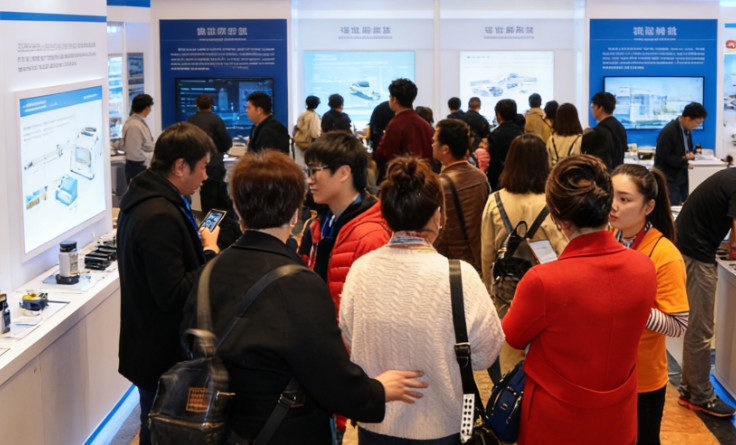
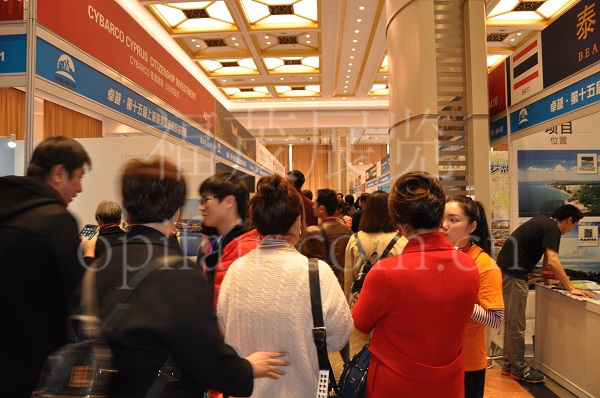
In today’s rapidly evolving financial investment market, investment expos, as core platforms for the deep integration of capital and projects, are becoming crucial hubs for enterprises to overcome development bottlenecks and for individuals to optimize asset allocation. From national-level industry events to cross-border comprehensive exhibitions, from vertical industry summits to innovative technology roadshows, various investment expos are continuously releasing immeasurable value through resource integration and precise matching. So, are investment expos worth participating in? What are their core values? This article will conduct an in-depth analysis from three aspects: industry trend insights, resource matching efficiency, and brand influence enhancement. The primary value of investment expos lies in their unique function as industry information hubs. Taking a certain national-level investment and wealth management expo as an example, this expo is guided by authoritative institutions and hosted by industry associations. Each session invites top experts in the financial field, representatives from regulatory departments, and executives from leading companies to systematically interpret macroeconomic policies and market development trends through keynote speeches, roundtable forums, and other formats. For example, at one exhibition, a renowned economist’s sharing on “Global Asset Allocation Strategies in the Post-Pandemic Era” directly influenced participating institutions’ judgments on cross-border investment directions; the analysis of quantitative tools for emerging markets by the head of a securities research institute provided investors with practical pathways for technological upgrades. These high-level forums not only help exhibitors anticipate policy benefits but also promote technological iteration and business model innovation through industry white paper releases and technical standard discussions. For SMEs, the expo’s specialized forums offer even greater practical value. For instance, a regional science and technology finance summit featured special sessions on “Intellectual Property Pledge Financing” and “Digital Asset Valuation Models,” showcasing innovative financial tools such as blockchain notarization and smart contract auditing. A biopharmaceutical company,…
 09/12/2025
With the increasing openness of global educational resources, more and more families are regarding studying abroad as a crucial step in their children’s future development. From improving language skills to broadening international perspectives and striving for a more competitive academic background, studying abroad is no longer a choice for a select few, but a life plan that ordinary families are seriously considering. However, when actually starting to research study abroad options, people are often surrounded by various terms: direct application, combined bachelor’s and master’s degree programs, international courses, foundation programs, language classes, exchange programs, visiting scholars… Each route sounds good, yet it’s difficult to determine which one is most suitable. In fact, a more complex study abroad route isn’t necessarily better; a better fit is more important. Different countries, different stages, and different majors all have the most suitable planning methods; and different students’ language proficiency, learning ability, financial situation, and future goals will also influence their choices. Direct Application This is the most common and applicable path. Direct application refers to students completing their studies in their home country and then applying directly to overseas universities for undergraduate or graduate programs using their transcripts, language scores, letters of recommendation, and application essays. Suitable for: Students with strong language skills, stable academic performance, and a clear academic focus.Advantages: Clear and transparent application process; Controllable timeline; Direct entry into main courses, saving transition time; High degree recognition.Direct application is supported by most countries and is currently the mainstream mechanism for university admissions worldwide. Foundation Program Foundation programs are often a buffer for students who are not yet ready in terms of language skills or academic background. Foundation programs typically last 6-12 months, helping students adapt to the local language, teaching methods, and academic requirements. Upon successful completion,…
 Number
Call Now:
139 1723 4508
 WeChat
 Form
FormBook Your Booth
Complete your information immediately and provide you with exclusive services!
Back to Top

