
-
Whatsapp
+1 689 248 1956 -
Email
joannewong0817@gmail.com

 16/12/2025
In the wave of globalization, the diversification of nationality choices has become a focus of increasing attention. Dual citizenship, which means an individual simultaneously holds legal citizenship in two countries, is explicitly recognized by law in some countries, while it is strictly restricted in others. Globally, a considerable number of countries recognize dual citizenship, and their policy differences are closely linked to cultural backgrounds and historical traditions. The acceptance of dual citizenship in Asia exhibits diverse characteristics. Countries such as the Philippines, Vietnam, and Cambodia explicitly allow citizens to hold dual citizenship, especially for overseas expatriates or talents in specific fields, simplifying the naturalization process through legislation. For example, Vietnam’s revised Nationality Law of 2025 allows foreign experts in the semiconductor and artificial intelligence fields to apply for citizenship in Vietnam without relinquishing their original citizenship, aiming to attract high-end talent to fill technology gaps. South Korea adopts a conditional recognition policy, allowing South Korean citizens born abroad to retain dual citizenship, but naturalized citizens must renounce their original citizenship. Japan allows dual citizenship, but requires citizens to choose one before the age of 22; those who do not actively declare their dual citizenship are assumed to retain Japanese citizenship. In addition, countries such as Turkey and Israel have recognized dual citizenship through legislation or special provisions, facilitating cross-border living and working. European countries generally have a high acceptance of dual citizenship and offer flexible and diverse policies. Traditional immigration countries such as the UK, France, Italy, and the Netherlands explicitly recognize dual citizenship through law, requiring citizens to retain their original citizenship upon acquiring another country’s citizenship. Since the 2024 reform of its Citizenship Act, Germany has, in principle, allowed citizens to hold dual citizenship without having to renounce their original citizenship after naturalization. This policy adjustment has significantly…
 16/12/2025
In the global field of psychology education, professional programs centered on the theories of Alfred Adler, the founder of individual psychology, are attracting increasing attention from international students. These master’s programs not only deeply integrate theory and practice but also provide cross-cultural learning opportunities for those aspiring to work in fields such as psychological counseling and educational guidance through unique curriculum designs and internationalized training models. Some universities have even established mature overseas study systems for their Adlerian counseling master’s programs, serving as bridges connecting Eastern and Western psychological wisdom. The core of Adlerian psychology lies in its emphasis on cultivating individual social interests and constructing goal-oriented thinking patterns. This concept is being deepened in master’s programs at many universities worldwide. For example, a public university’s counseling and psychotherapy master’s program explicitly uses Adlerian theory as its core framework, covering modules such as attachment theory, trauma awareness practice, and expressive therapy. Students are required to choose a clinical or research direction based on their interests starting in their second year. This “theoretical foundation + personalized development” training model ensures both academic depth and provides international students with practical opportunities to adapt to different cultural contexts. The program’s official website indicates that graduates can find employment in fields such as youth work, relationship counseling, and group therapy. Some clinical students even obtain industry certifications through internships, a career-oriented design that significantly enhances the program’s international competitiveness. An international faculty and multicultural practice are another major advantage of such programs. While a renowned university’s Master of Arts in Art Therapy program is based on Adlerian psychology, its faculty comprises scholars from North America, Europe, and Asia. The curriculum incorporates cross-cultural psychological intervention and community-based practical activities. Students are required to complete 200 hours of social justice internships, applying their theories in real-world…
 15/12/2025
In the global asset allocation wave, self-managed superannuation funds (such as Australia’s SMSF) are gradually becoming an important tool for high-net-worth individuals to preserve and grow their wealth due to their flexibility and autonomy. Unlike traditional superannuation funds, self-managed superannuation funds allow members to directly participate in investment decisions, covering diversified asset classes such as stocks, bonds, and commercial real estate. Overseas real estate investment, with its anti-inflationary properties and stable cash flow returns, is becoming a “ballast” in the asset allocation of self-managed superannuation funds. This investment model not only provides long-term income support for retirement but also builds a more robust wealth safety net by diversifying geographical risks. The core advantage of self-managed superannuation funds investing in overseas real estate lies in the flexibility of their institutional design. In some countries, for example, self-managed superannuation funds can leverage their investments through Limited Recourse Borrowing Arrangements (LRBA), which allows them to apply for loans from banks using fund assets as collateral to purchase real estate worth several times their initial investment. For example, a fund holding AUD 200,000 in cash can borrow AUD 300,000 through an LRBA to purchase an investment property worth AUD 500,000. Rental income and capital gains from real estate are deposited into the fund account, while loan interest and property maintenance costs are tax-deductible, creating a dual effect of “increased returns + tax optimization.” This model is particularly suitable for investors who have exhausted their personal loan limits, allowing them to overcome financing restrictions and expand their asset size through the fund account. From a return structure perspective, overseas real estate provides self-managed pension funds with a dual-engine of “rental income + capital appreciation.” In popular tourist destinations or economically vibrant areas, property occupancy rates remain consistently high, with rental yields reaching 4%-6%, far exceeding…
 15/12/2025
In the global wave of asset allocation, overseas real estate investment is becoming an important choice for high-net-worth individuals to achieve wealth appreciation and upgrade their quality of life. Compared with traditional investment methods, overseas real estate not only possesses the attributes of a hard asset, but also provides investors with a “safety net” against the risks of a single market through advantages in property rights systems, market mechanisms, and profit models. The fundamental difference in property rights systems is one of the core attractions of overseas real estate. Most developed countries implement a perpetual title system, where buyers have absolute ownership of the land and buildings, eliminating concerns about renewal issues after the title expires. This system fundamentally guarantees the long-term inheritance value of assets. For example, in some European countries, buyers not only obtain ownership of the house but also enjoy complete rights to the accompanying land; this “buy one, get one free” property rights model provides institutional guarantees for asset preservation. At the same time, overseas real estate generally uses the “internal area” calculation method, excluding balconies, garages, and other spaces from the shared area, increasing the actual usable area by 15%-20% compared to domestic options, directly improving the cost-effectiveness of investment. The stability of returns brought about by market maturity is also worth noting. Developed countries’ real estate markets, after a century of development, have established sophisticated price discovery mechanisms and risk hedging systems. Taking some mature markets as examples, their residential vacancy rates have consistently remained below 3%, and rental yields have stabilized between 4% and 6%. This “rent covering mortgage payments” cash flow model makes real estate a natural “money-printing machine.” More importantly, property prices in prime locations in core cities have seen an average annual increase of 5%-8%. This “rental income + appreciation”…
 15/12/2025
In recent years, with the deepening of Sino-Japanese economic exchanges, Chinese investors have become increasingly active in the Japanese market. However, cross-border investment involves complex legal, policy, financial, and operational environments, and investment in Japan is affected by multiple factors, including bilateral relations, industrial policies, tax regulations, and cultural differences. Although the Japanese market boasts a mature business environment, transparent systems, and a relatively stable legal framework, compliance requirements and potential risks remain significant for foreign investors. Before entering the Japanese market, investors must establish a systematic compliance and risk management mechanism, focusing not only on the company’s financial returns but also ensuring the legality, compliance, and sustainability of project operations. Policy and Regulatory Risk Checklist Industry Access Regulations:Investors need to verify whether the industries involved have foreign investment restrictions or special approval processes, including but not limited to sensitive sectors such as energy, telecommunications, finance, healthcare, and education. Foreign Investment Review:For investments involving national security, key technologies, or strategic resources, investors need to understand the relevant review requirements in advance to avoid the risk of approval delays or rejection. Regional Policy Differences:Different regions in Japan have varying policies regarding investment attraction, tax incentives, and land use. Investors should analyze the feasibility of policy implementation and potential risks of change, taking into account the project location. Legal Compliance Risk List Company Establishment and Equity Structure:Investors should ensure that company registration, equity arrangements, articles of association, and board structure comply with Japanese company law and foreign investment requirements. Contract and Transaction Standards:Contracts, including lease agreements, supply chain contracts, technology transfer agreements, and service contracts, must comply with Japanese civil law and business practices, and include dispute resolution and arbitration mechanisms. Intellectual Property and Technology Protection:When conducting business in the Japanese market, a patent, trademark, copyright, and trade secret protection system…
 15/12/2025
Amidst ongoing global political and economic volatility, the impact of shifts in bilateral relations on cross-border investment is becoming increasingly prominent. As major economies in Asia and globally, China and Japan have long maintained close ties in trade, supply chains, finance, and people-to-people exchanges. However, with adjustments in the international landscape, increased geopolitical complexity, and changing public opinion, Sino-Japanese relations are exhibiting cyclical fluctuations. While this doesn’t necessarily signify outright confrontation, it significantly enhances the uncertainty of cross-border investment. For investors already investing in or planning to enter the Japanese market, the judgment framework previously based on expectations of stable cooperation may need to be re-evaluated. Investment in Japan is no longer merely a matter of commercial return calculations but involves multiple factors, including the policy environment, compliance reviews, market sentiment, and long-term strategic security. Therefore, in the current context, systematically reassessing the potential risks of investment projects in Japan can help investors maintain rational decision-making and avoid structural misjudgments caused by changes in the external environment. Policy and Regulatory Environment Changes Risk The most direct impact of changes in Sino-Japanese relations is the uncertainty at the policy and regulatory level. Investment review systems, industry access rules, and foreign merger and acquisition approval processes may become more stringent due to security, technological, or strategic considerations. This is especially true in sensitive sectors such as energy, telecommunications, high-end manufacturing, semiconductors, and data services, where changes in policy stance can directly impact project implementation progress or subsequent operational stability. Furthermore, the enthusiasm, support, and policy implementation capabilities of local governments in attracting investment may also be influenced by the overall bilateral atmosphere. Investors who continue to rely on past policy judgments are likely to underestimate potential risks such as longer approval cycles and increased compliance costs. Public Opinion and Market Sentiment…
 13/12/2025
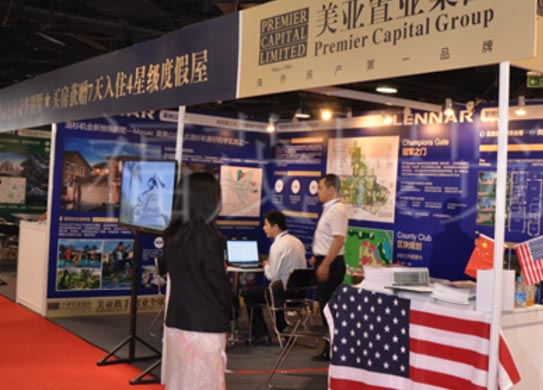
During the study abroad planning process, questions like “Can I work?”, “How long can I work?”, and “Will it affect my visa?” are common concerns for almost all international students and their parents. For many students, part-time work not only provides financial supplementation but is also seen as an important way to improve language skills, integrate into local society, and gain practical experience. However, this demand is accompanied by strict and complex regulations on part-time work for student visa holders in various countries. A lack of understanding of these policies can, at best, affect academic progress, and at worst, cross visa compliance lines, leading to irreversible consequences. In reality, many international students’ understanding of part-time work policies often comes from online experience posts, word-of-mouth recommendations from senior students, or even vague statements from agencies. While this information has reference value, it rarely covers policy details and the latest changes, and it cannot be guaranteed to apply to all countries and visa types. Given the significant differences in visa systems, labor laws, and regulatory environments, applying “others’ experiences” to one’s own situation carries considerable risk. This is why more and more families are realizing that whether international students can work part-time is not a simple “yes or no” question, but rather a comprehensive judgment requiring a systematic understanding of visa rules, academic requirements, and compliance boundaries. So, can a student visa actually allow part-time work? And can attending professional expos truly help international students gain a clearer understanding of the policies of different countries? The Relationship Between Student Visas and Part-Time Work A Student Visa is Not a “Work Visa” Regardless of the country, the primary purpose of a student visa is always study. Part-time work is usually considered an additional permission, not a core right of a student…
 13/12/2025
In study abroad planning, schools and majors often receive the most attention, while housing is frequently relegated to a “wait and see” position. However, for international students, housing is not simply “where to live,” but a crucial factor directly impacting learning efficiency, quality of life, safety, and even psychological adaptation. Housing systems, rental rules, living costs, and cultural differences vary significantly across countries. A lack of systematic understanding can increase financial burdens and, in severe cases, affect academic performance and visa compliance. Meanwhile, fragmented information is a major challenge for international students when choosing housing. The authenticity of listings on online platforms is difficult to verify, the quality of agents varies greatly, and legal and tax regulations are complex. Many families only realize the hidden risks of insufficient preparation after arriving overseas. Therefore, more and more students and parents are beginning to realize that housing decisions are an integral part of study abroad planning, not an additional issue. The Core of Housing Choices for International Students Housing Types Common housing types for international students include on-campus dormitories, off-campus shared accommodation, apartments, and homestays. There is no absolute superiority or inferiority in housing choices based on different stages, personalities, or national systems; the key lies in the suitability. Students newly arrived overseas with limited language and environmental adaptation skills are often better suited to well-managed and well-established on-campus dormitories; while students with a certain level of independent living ability may value the space and freedom of off-campus housing. Commuting Issues The distance of housing from the university not only affects commuting time but also social circles and lifestyle. Some students choose housing far from campus to save on rent, neglecting transportation costs, time consumption, and safety issues. A reasonable housing choice should comprehensively consider the convenience of studying, living…
 13/12/2025
Driven by both inflationary pressures and asset allocation needs, investment has evolved from a simple means of wealth appreciation into a core strategy for mitigating risk and achieving long-term financial goals. Whether it’s saving for retirement, planning ahead for children’s education, or pursuing intergenerational wealth transfer, sound investment logic and the ability to dynamically adjust have become essential financial skills for modern individuals. However, facing a diverse range of choices including stocks, bonds, commodities, and alternative assets, constructing a portfolio with strong risk resistance and stable returns tests each investor’s depth of understanding and execution resolve. Clearly defining investment objectives and risk tolerance is the cornerstone of decision-making. Short-term goals (such as a down payment on a home within 3 years) require prioritizing liquidity, and low-risk products such as money market funds and short-term government bonds can be chosen. Medium-term goals (5-10 years of education funds) can appropriately allocate to index funds or balanced funds, utilizing the compounding effect to achieve steady growth. Long-term goals (retirement planning for 15 years or more) can include equity assets such as stocks and real estate, smoothing out market fluctuations over time. Risk tolerance assessment should consider factors such as income stability, household debt, and emergency reserves. For example, freelancers with fluctuating monthly income should keep high-risk assets below 30% to avoid impacting their basic living standards due to market downturns. The “golden rule” of asset allocation lies in diversification and balance. While the traditional “60% stocks + 40% bonds” model is classic, its potential returns are limited in a low-interest-rate environment. Modern investors prefer a “core + satellite” strategy: constructing a core holding of 60%-70% in broad-based index funds (such as global stock indices and high-rated bond ETFs); using sector-themed funds (such as technology and healthcare), commodity ETFs (gold and crude oil), or…
13/12/2025
Driven by globalization, overseas property investment has gradually shifted from being an exclusive choice for high-net-worth individuals to becoming an important path for middle-class families to diversify their assets. Whether it’s for early planning for children’s education, seeking stable rental returns, or mitigating investment risks, information asymmetry and procedural complexity often become the biggest obstacles in the decision-making process of overseas property purchases. Mastering core strategies and key aspects is essential to achieving controllable risks and maximized returns in cross-border property investment. Clearly defining the motivation for purchasing is the primary prerequisite. For owner-occupiers, priority should be given to the maturity of supporting amenities, such as school district resources, medical facilities, and public transportation coverage. Investment buyers should focus on rental yields and long-term appreciation potential, such as small apartments near core business districts or townhouses in emerging development areas. For vacation properties, the scarcity of natural landscapes and occupancy rates during peak tourist seasons should be assessed. For example, in a certain Middle Eastern country, apartments in the core business district, due to their proximity to international schools and shopping centers, can achieve annual rental yields of 5%-7%, while villas in seaside resort areas, although priced higher per unit, have occupancy rates exceeding 80% during peak seasons, creating a differentiated return model. Funding preparation and compliant operations are the core challenges of cross-border property purchases. Most countries set down payment thresholds for foreign homebuyers, with some requiring a minimum of 50% and proof of funds. Exchange rate fluctuations can be hedged by purchasing foreign currency in installments or using foreign exchange derivatives, such as leveraging family members’ annual foreign exchange quotas to distribute the exchange burden. Tax compliance is equally crucial. Some countries levy additional stamp duty on non-resident home purchases, and holding the property may involve ongoing expenses…
 12/12/2025
In recent years, with the deepening of global economic interaction, various international expos have become important windows for observing cross-border investment trends. At these expos, government agencies, industry leaders, technology companies, financial institutions, and investment promotion departments from various countries gather to showcase new technologies, industrial models, and cooperation opportunities, gradually transforming expos from their traditional function of product display into new international investment barometers. For investors, the types of projects, cooperation demands, audience structure, corporate layout, and policy orientations presented at expos all contain signals about future capital flows. Cross-border investment is no longer limited to traditional manufacturing, real estate, or resource industries, but extends to multiple fields such as technological innovation, green energy, digital services, healthcare, and cultural tourism. Especially in the current context of global supply chain restructuring, geopolitical economic differentiation, and consumption upgrading, expos have become an important channel for investors to quickly capture market changes, judge industry trends, and establish transnational networks. Changing Demands for Industrial Upgrading The most critical change at expos in recent years is that technology, innovative services, and digital capabilities have become the core of corporate displays. More and more countries are promoting industrial restructuring, hoping to attract capital with technology spillover effects, rather than just traditional construction-related investments. This signifies a shift in cross-border investment from “building factories and buildings” to “investing in technology and capabilities,” encompassing areas such as intelligent manufacturing, artificial intelligence applications, digital infrastructure, cross-border e-commerce services, smart tourism, supply chain technology, and agricultural technology. These industries not only reflect national development strategies but also resonate with global businesses’ needs for improved efficiency, reduced costs, and enhanced resilience. Common Global Issues Against the backdrop of global efforts to address climate change and energy transition, green development has become a key focus of cross-border investment discussions. Many…
 12/12/2025
In recent years, the global tourism industry has experienced a strong recovery and transformation following the impact of the pandemic, expanding from simple transportation and accommodation to a multi-layered value chain encompassing experiences, cultural integration, and sustainable development. With the reshaping of consumer travel demands, the rapid penetration of digital technologies, and the advancement of economic globalization and regional openness policies, the tourism industry is forming new growth drivers and investment hotspots. Investors are shifting from traditional physical assets and infrastructure construction to innovative services, digital platforms, the experience economy, and green tourism. This trend not only reflects changes in industry demand but also capital’s assessment of the future potential of the tourism industry. Continued Recovery and Growth Expectations in the Global Tourism Industry The current overall situation of the tourism industry shows a “steady and positive” growth trend. On the one hand, tourism activities in most countries and regions have basically recovered or even surpassed pre-pandemic levels, with a significant increase in international and domestic tourist mobility, and the industry’s contribution to economic growth and job creation continues to strengthen. International organizations and industry research reports generally predict that the global tourism market will maintain a high growth rate in the coming years, becoming one of the important pillars of the global economy. The continuous growth of the tourism industry is not only reflected in traditional transportation and accommodation consumption, but also in the deep integration of tourism with other industries such as culture, entertainment, and health. This diffusion effect enhances the investment attractiveness of the entire ecosystem. On the other hand, as a crucial component of consumption, the activity of the tourism industry reflects macroeconomic factors such as residents’ income, consumption upgrades, and lifestyle changes. Therefore, investors generally believe that the tourism industry has strong long-term growth…
 Number
Call Now:
139 1723 4508
 WeChat
 Form
FormBook Your Booth
Complete your information immediately and provide you with exclusive services!
Back to Top

